Kindness is one of the simplest human qualities, yet it is often one of the most misunderstood. Many people mistake kindness for weakness, silence, people-pleasing, or the inability to say no. Others believe kindness only exists in grand gestures or expensive gifts. In reality, kindness is far deeper. It is a deliberate choice to treat others with dignity, compassion, and respect while maintaining integrity and wisdom.
In a world where conflict, division, and self-interest often dominate conversations, kindness remains a transformative force. It heals wounds, restores hope, builds communities, and reminds us of our shared humanity. Kindness is not merely something we do; it is a way of living.
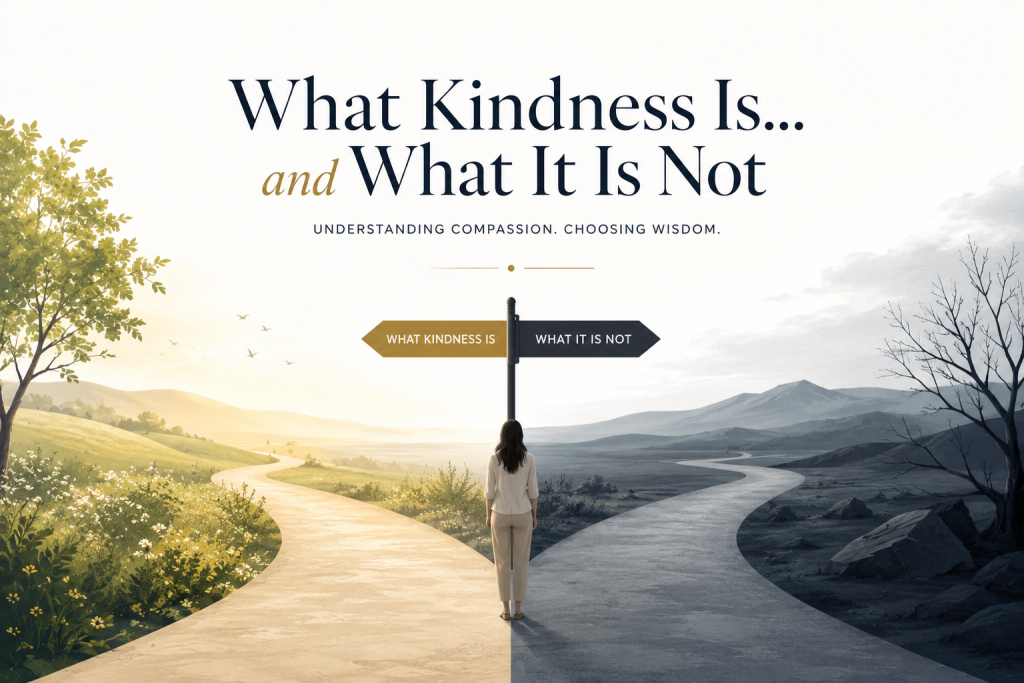
What Kindness Is
Kindness is Love in Action
Love is often expressed through words, but kindness gives love visible form. It is choosing to care, to help, to encourage, and to stand beside someone when they need support. Kindness turns compassion into action.
Kindness is Respect
Every person deserves dignity regardless of age, race, religion, disability, gender, social status, or background. Kindness recognizes the inherent worth of every individual and treats them accordingly.
Kindness is Empathy
Being kind means trying to understand another person’s experiences and emotions. It means listening before judging and responding with compassion rather than criticism.
Kindness is Strength
Contrary to popular belief, kindness requires courage. It takes strength to forgive, to remain calm in difficult situations, to respond peacefully to hostility, and to continue doing good even when it is not appreciated.
Kindness is Choosing Compassion
Kindness does not always have easy answers. Sometimes it means offering a listening ear instead of advice. Sometimes it means giving someone another chance. Sometimes it simply means being present.
Kindness is Inclusive
True kindness excludes no one. It embraces people regardless of their differences and works to create spaces where everyone feels welcomed, valued, and safe.
Kindness is Honest
Being kind does not mean avoiding difficult conversations. Sometimes kindness means speaking uncomfortable truths gently because you genuinely care about another person’s growth and wellbeing.
Kindness is Generous
Generosity is not limited to money. We can generously give our time, attention, encouragement, knowledge, forgiveness, patience, and understanding.
Kindness is Consistent
Kindness is not reserved for special occasions. It is reflected in everyday choices—how we greet people, respond to mistakes, interact with strangers, and speak about those who are absent.
Kindness Creates Change
One act of kindness may appear small, but its impact often extends far beyond what we can see. A smile may save someone from despair. Encouragement may inspire confidence. Support may change the direction of a life.
What Kindness Is Not
Kindness is Not Weakness
Many people confuse kindness with being easily manipulated. In reality, genuinely kind people often possess remarkable emotional strength. They choose compassion not because they lack power but because they understand the value of humanity.
Kindness is Not People-Pleasing
People-pleasing seeks approval. Kindness seeks the good of others. A kind person can respectfully disagree, establish healthy boundaries, and say “no” when necessary.
Kindness is Not Silence in the Face of Wrongdoing
Remaining silent while injustice continues is not kindness. Speaking up for those who cannot speak for themselves is one of the highest forms of kindness.
Kindness is Not Enabling Harm
Supporting destructive behavior under the guise of being nice is not kindness. Sometimes genuine kindness requires accountability and consequences.
Kindness is Not Expecting Rewards
If kindness is performed only for recognition, praise, or personal gain, it loses much of its authenticity. True kindness gives without demanding repayment.
Kindness is Not Perfection
Kind people still make mistakes. They become tired, frustrated, and overwhelmed. Kindness is not about never failing but about continually choosing compassion despite imperfections.
Kindness is Not Avoiding Boundaries
Healthy boundaries protect both ourselves and others. Saying “no” to exploitation is not unkind; it is wise. Boundaries allow kindness to remain sustainable.
Kindness is Not Agreement
You can disagree with someone’s beliefs or decisions while still treating them with dignity and respect.
Kindness is Not Naivety
Being kind does not require ignoring wisdom or discernment. One can be compassionate while remaining cautious and making thoughtful decisions.
Kindness is Not Reserved for Friends
The true test of kindness is often how we treat strangers, those who disagree with us, and those who cannot offer us anything in return.
Why Kindness Matters
Kindness improves mental wellbeing, strengthens relationships, builds trust, and creates healthier communities. It reduces loneliness, encourages cooperation, and inspires others to act compassionately. Kindness spreads. One thoughtful act often motivates another, creating a ripple effect that extends across families, schools, workplaces, and entire societies.
Communities flourish when kindness becomes a shared value rather than an occasional act. Children who grow up experiencing kindness are more likely to become empathetic adults. Leaders who lead with kindness build stronger teams. Organizations rooted in kindness create environments where people feel valued and empowered.
Practicing Kindness Every Day
Kindness is not complicated. It can begin with simple daily actions:
- Listen without interrupting.
- Smile at someone who seems discouraged.
- Speak respectfully, even during disagreements.
- Encourage a child.
- Thank those whose work often goes unnoticed.
- Visit someone who is lonely.
- Volunteer in your community.
- Forgive where possible.
- Offer help without waiting to be asked.
- Stand against bullying, discrimination, and injustice.
- Celebrate others’ successes.
- Choose words that heal rather than hurt.
Small actions, repeated consistently, create extraordinary change.
The Ripple Effect of Kindness
Imagine if every person committed to one intentional act of kindness each day. Families would become stronger. Schools would become safer. Workplaces would become healthier. Communities would become more united. Nations would become more compassionate.
Kindness is contagious. It multiplies rather than diminishes. It costs little but accomplishes much. It cannot solve every problem overnight, but it can change how people experience the world.
Every smile, every encouraging word, every helping hand, every act of forgiveness, and every decision to treat another person with dignity contributes to a better society.
Conclusion
Kindness is not weakness. It is courage.
Kindness is not people-pleasing. It is compassion with wisdom.
Kindness is not silence. It is standing for what is right with respect.
Kindness is not giving until nothing is left. It includes healthy boundaries.
Kindness is not occasional. It is intentional.
Ultimately, kindness is a choice daily decision to recognize the humanity in others and respond with empathy, respect, generosity, and love. In a world that often celebrates power, competition, and division, kindness remains one of the greatest demonstrations of strength.
When we choose kindness, we do more than brighten someone’s day we help shape a more peaceful, inclusive, and compassionate world for everyone.