Ever had a day where everything felt too much? The news was overwhelming. Work was draining. You wondered if one person could make a difference.
Then, something small happened. A cashier at Whole Foods smiled at you. It was a real smile, not just a tired one. In that moment, everything felt a little better.
That moment was big. It showed the power of a smile.
We live in a world that often feels divided and overwhelming. The problems seem too big. But research shows that nonverbal kindness can change things.
Your body language speaks louder than words. A smile is more than just a facial expression. It’s a bridge between people. It shows that connection is important.
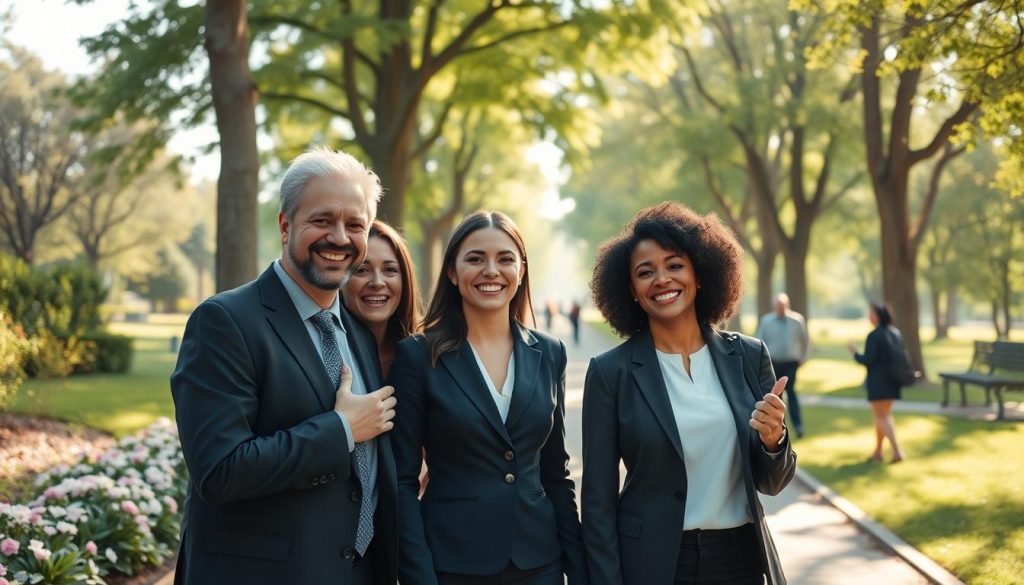
The power of a smile is simple. You don’t need training or money. You just need to be present with warmth. Spreading positivity is about being there for others.
This article will show you the science behind smiles. You’ll learn how to bring warmth to your workplace and community. You’ll discover the “Be Fantastic” philosophy and real stories of people whose smiles changed lives.
The world needs more positivity and connection. It needs people who know their presence matters. That person is you. And it all starts with a smile.
Key Takeaways
- A genuine smile is a form of nonverbal kindness that communicates friendliness and warmth without words.
- Body language communication often speaks louder than verbal conversation in daily interactions.
- Spreading positivity through smiling reduces stress, increases happiness, and strengthens social connections.
- The power of a smile creates ripple effects that benefit both the person smiling and those around them.
- You don’t need special skills or resources to make a real difference—your smile is enough.
- Small acts of nonverbal kindness contribute to building a more harmonious and connected community.
The Science Behind Smiling and Positivity
Your smile is incredibly powerful. It starts a chain reaction in your body and affects those around you. This simple act is rooted in brain chemistry, communication, and social connection.
How Smiles Affect Your Brain Chemistry
Smiling releases endorphins, dopamine, and serotonin. These chemicals make you feel good. They’re like happiness boosters your body makes when you smile.
Even fake smiles can release these chemicals. This is called the “fake it till you make it” principle. It trains your brain to feel happier over time.
- Endorphins reduce pain and stress levels
- Dopamine increases motivation and focus
- Serotonin improves mood and emotional stability
These chemicals make you feel better physically. Your stress and anxiety go down. You feel more well overall.
The Ripple Effect of a Smile
Emotional contagion means emotions spread from person to person. When you smile, others catch your happiness. Their brain starts to respond positively.
Imagine a teacher smiling at a struggling student. The student feels calmer. Later, they smile at a sibling, spreading happiness.
Smiling communicates emotions better than words. Your face tells a story that words can’t. This empathy happens instantly, deeper than language.
| Smile Effect | Personal Impact | Social Impact |
|---|---|---|
| Release of endorphins | Reduced stress and pain | Others perceive you as approachable |
| Dopamine increase | Higher motivation and focus | People feel motivated around you |
| Serotonin boost | Improved emotional stability | Creates atmosphere of trust and safety |
| Emotional contagion | Mood improvement through spreading positivity | Influences entire groups and communities |
The Social Bonds Created by Smiling
Smiles build trust faster than words. People see you as trustworthy and approachable when you smile. It signals you’re safe and care.
Smiling strengthens social connections. It shows you value and see others. This builds deeper relationships and better communication.
Smiling promotes harmony and understanding. It creates a safe space for emotional well-being. Empathy grows naturally through smiling.
Your smile changes brain chemistry, spreads joy, and builds bonds. Understanding this motivates you to use your smile for good.
Smiling in Daily Interactions
Your smile is a powerful tool. It costs nothing but creates real value everywhere you go. From work to your neighborhood, smiling changes how people see you and feel about themselves. It turns simple moments into meaningful connections that strengthen communities.
Smiling is easy and works everywhere. At work, in customer service, or on your street. Each smile you share spreads goodwill, growing into something bigger than you.
Smiling at Work: Boosting Morale
Smiling makes your workplace better. Studies show that smiling team members work better together and argue less. One manager noticed that smiling at coworkers in the morning made meetings more open and creative.
Smiling helps during stressful projects. It shows you believe things will work out. This positivity helps teams solve problems together, not blame each other.
- Smile when greeting colleagues in the morning
- Use a warm smile when delivering challenging feedback
- Smile during conflict resolution conversations to show you care about solutions
- Acknowledge new team members with genuine smiles to help them feel welcome
The Impact of a Smile in Customer Service
Trust is key in customer relations, and trust grows from genuine connection. A service worker’s smile makes customers feel valued. A frustrated customer’s mood changed when the employee smiled and said, “I’m here to help you figure this out.”
Your smile as a customer is important too. It reminds service workers why their job matters. This exchange creates positive interactions where both people feel better.
| Scenario | Without a Smile | With a Genuine Smile |
|---|---|---|
| Customer complaint at checkout | Customer feels dismissed; interaction stays tense | Customer feels heard; problem gets solved together |
| Service worker greeting | Customer assumes the worker is having a bad day | Customer feels welcomed and respected |
| Difficult conversation about pricing | Feels like an argument with a winner and loser | Feels like two people finding the best solution |
Connecting with Neighbors Through a Smile
Many neighborhoods feel disconnected. But, a simple smile can change this. Start by smiling at neighbors when you check the mail, walk your dog, or visit the park.
These small gestures help rebuild community ties. When neighbors smile, they look out for each other. They help in emergencies and make streets safer by connecting people.
- Smile at neighbors while getting your mail or packages
- Wave and smile at people walking dogs or children playing
- Make eye contact and smile at the community park or recreation center
- Greet delivery drivers, mail carriers, and service workers with warmth
- Smile during neighborhood events and community gatherings
These actions are not hard. They’re chances to brighten someone’s day and help build a better community. Each smile is a brick in the world you want to live in. When you smile at your neighbor, you inspire them to do the same. This kindness spreads far beyond what you can see.
Practicing Nonverbal Kindness
A smile can open doors to connection. But your whole body speaks volumes about your kindness. Nonverbal communication includes gestures, posture, eye contact, and body language. When you use these elements well, you create a positive presence that makes others feel welcome and valued.
The power of nonverbal communication is in its authenticity. People notice when you genuinely care. Your body language, facial expressions, and tone send a message. Learning to use these tools intentionally changes how others see and respond to you.

Gestures That Accompany a Smile
Your smile is stronger with supportive gestures. Open body language invites people to feel safe. A nod while someone speaks shows you understand and respect their words. Leaning forward shows genuine interest in what they have to say.
Hand gestures are important too. Gentle, open movements show warmth better than rigid or aggressive ones. When you smile and wave or nod, you show complete recognition of their humanity. These actions help build rapport and strengthen relationships naturally.
- Keep your arms uncrossed and open
- Nod to show understanding and agreement
- Lean slightly forward to demonstrate interest
- Use gentle hand gestures that feel natural
- Pair your smile with a wave or nod
The Importance of Eye Contact
Eye contact is very powerful in nonverbal communication. It shows interest, respect, affection, and genuine connection. Good eye contact prevents misunderstandings and shows you value the other person. This skill is key for de-escalation with empathy and effective conflict management.
Aim for 50-70% eye contact during conversations. Look at someone’s eyes while they speak, then glance away briefly. Return your gaze naturally when responding. If sustained eye contact feels awkward, start small and gradually increase the time as you become more comfortable.
For shy individuals or those feeling uncertain, practice eye contact in low-pressure settings first. Start with small interactions like eye contact with baristas, cashiers, or colleagues. Your comfort grows with each small interaction, making deeper connections feel less intimidating over time.
| Eye Contact Duration | What It Communicates | Best Used In |
|---|---|---|
| 0-30% | Nervousness or disinterest | Not recommended for building connection |
| 50-70% | Interest, respect, and genuine engagement | Professional meetings, personal conversations, customer interactions |
| 80-100% | Intensity or aggression | Only in situations requiring strong assertion |
Creating an Inviting Atmosphere
Your positive presence either welcomes people or pushes them away. Good posture, genuine eye contact, relaxed shoulders, and open gestures create an inviting atmosphere. People feel safe and valued around you because your body language shows you’re present and interested.
Good posture shows confidence and openness. Stand or sit upright with your shoulders relaxed and your head held high. This tells others you’re engaged and ready to connect. Your attitude becomes visible through your physical stance, influencing how others respond to you.
Touch is another powerful tool in nonverbal communication when used appropriately. A warm handshake or gentle pat on the shoulder strengthens relationships and builds trust. Always read the situation and respect personal boundaries—appropriate touch deepens connection without overstepping.
When you practice these nonverbal kindness techniques consistently, conflict management becomes easier. People are less likely to become defensive around someone who clearly respects and values them. Your positive presence prevents disputes before they develop. Start with small changes today. Notice how combining your smile with genuine eye contact, open body language, and warm gestures transforms your interactions. These authentic expressions of kindness create safer, more connected communities one conversation at a time.
- Maintain upright posture with relaxed shoulders
- Create 50-70% eye contact during conversations
- Use open, welcoming hand gestures
- Lean in slightly to show genuine interest
- Practice appropriate touch like handshakes
- Notice how people respond to your positive presence
The Role of Smiling in Personal Well-Being
Your emotional well-being is important. Taking care of yourself, like smiling, is not selfish. It builds your strength to help others. Think of wellness as filling your cup to share with others. A real smile is a powerful self-care tool.
Reducing Stress with a Simple Smile
Smiling quickly calms your body. It releases chemicals that soothe your nervous system. This lowers stress hormones and helps you relax.
Try a smile break. Set reminders to smile for thirty seconds three times a day. Notice how it makes you feel. Many find it lowers anxiety and helps them handle tough situations better.
Smiling as a Tool for Self-Confidence
Smiling boosts your mental health. It makes you feel more confident. When others smile back, your confidence grows even more.
Before a tough conversation, smile at yourself in the mirror. Think of something you’re thankful for. This prepares your brain and presence.
The Connection Between Happiness and Health
Smiling improves your physical health. It strengthens your immune system and lowers blood pressure. It may even help you live longer.
- Improved immune function from positive emotions
- Lower blood pressure and reduced heart disease risk
- Better sleep quality and energy levels
- Enhanced mental health and emotional resilience
- Greater capacity to support conflict transformation in your relationships
Practicing self-care like smiling is not selfish. It’s vital. When you’re happy and healthy, you can help others more.
Spreading Joy Through Volunteering
Volunteer work changes lives in amazing ways. When you add warmth and genuine connection, your efforts become more meaningful. A simple smile can change how people feel when they receive help.
Instead of feeling like charity cases, people feel valued and seen. This is where empathy building becomes real and tangible in organized community service.
Your smile matters more than you think. When volunteers work with positive energy and warmth, the impact grows. People feel the difference when someone genuinely cares about them.
How Smiling Can Enhance Your Community Impact
Smiling during volunteer work creates dignity and respect. Food bank clients feel respected, not pitied. Shelter residents feel like individuals, not just statistics.
Community cleanup participants feel part of something joyful. They don’t just feel obligated to help.
Here are some ways to amplify your volunteer work with nonverbal kindness:
- Make direct eye contact with each person you serve
- Greet volunteers and community members by name when possible
- Show genuine interest in their stories and experiences
- Let your smile communicate that you value their presence
- Treat everyone as you would a valued friend
This approach to volunteer work strengthens empathy building. You’re creating connections that last beyond the activity itself. People remember how you made them feel more than the task you completed together.
Real-Life Stories of Kindness
Stories show us the real power of collective kindness in action.
Maria Sanchez, a youth mentor at Boys & Girls Clubs of America, shows how consistent warmth transforms lives. Her genuine smile and positive demeanor helped a withdrawn teenager open up. The teen began attending mentoring sessions regularly and eventually shared that Maria’s consistent kindness gave him hope during difficult times.
This community service moment became life-changing through simple, authentic presence.
Another powerful example comes from disaster relief volunteers. When natural disasters strike, volunteers with warm smiles provide hope. Families who have lost everything respond to genuine human connection. A volunteer’s smile communicates that they’re not just doing a job. They’re standing alongside neighbors in crisis.
| Volunteer Setting | Impact of Smiling | Community Outcome |
|---|---|---|
| Senior Care Centers | Increased participation and social engagement | Residents feel valued and connected |
| Food Banks | Restored dignity and self-worth | Clients experience respect and support |
| Youth Programs | Deeper trust and openness | Young people develop confidence and hope |
| Disaster Relief | Emotional support and reassurance | Communities rebuild with stronger bonds |
| Community Cleanups | Shared joy and team unity | Neighborhoods strengthen through collaboration |
The Importance of Smiles in Group Activities
Smiling during group volunteer activities breaks down social barriers. When organizers and participants smile at each other, the work feels less like obligation and more like community building. Diverse groups work together more effectively when genuine warmth exists among team members.
Group volunteer settings naturally build collective kindness. People from different backgrounds come together around shared purpose. A smile becomes the universal language that says “we’re in this together.” These connections extend far beyond the volunteer activity itself.
The real measure of successful volunteer work goes deeper than tasks completed. It’s about the human connections formed in the process. A smile transforms “helping those people” into “working alongside our neighbors.” This shift in perspective is essential for building true global harmony.
Find one volunteer opportunity this month. Look for community service where you can intentionally practice nonverbal kindness. Whether it’s at a local food pantry, animal shelter, school mentoring program, or neighborhood cleanup, bring your authentic smile. Watch how your presence changes the social impact of the work. Notice how collective kindness ripples through your community in ways that words alone cannot capture.
Smiling and Environmental Awareness
Your smile has amazing power in spreading environmental awareness. We often think of stern messages to care for our planet. But, people respond better to warmth and genuine connection when learning about sustainable living.
Environmental advocacy works best with positive activism and real communication skills. Just like salespeople build trust before asking for a sale, environmental leaders do the same. A friendly approach makes people more open to environmental solutions.

Encouraging Others to Care for the Planet
Starting conversations about the environment with a smile changes everything. Instead of criticizing, share the positive benefits you’ve found. When talking to neighbors or family, highlight what you love about your choices.
Here are some practical ways to advocate for the environment:
- Share enthusiasm about reusable bags, saying “These hold so much more than plastic ones!”
- Invite neighbors to learn about composting by focusing on community connection
- Celebrate shared environmental goals instead of pointing out mistakes
- Use warm, inviting language when discussing recycling and conservation
The Community Impact of a Smiling Environmental Activist
Community engagement grows stronger when leaders combine passion with warmth. Protecting our planet doesn’t need a serious face. In fact, enthusiasm and positivity inspire people to join environmental movements.
Real change happens through joyful community engagement. When you smile while discussing climate action or neighborhood cleanups, you show that caring for Earth enhances our lives. People naturally want to participate in activities that feel uplifting and inclusive.
How Positivity Can Drive Sustainability Efforts
Sustainable living sticks when connected to positive emotions and community. Environmental advocacy built on blame creates resistance. But, advocacy built on warmth creates movements.
Your communication skills make environmental action feel achievable:
| Approach | Result |
|---|---|
| Guilt-based messaging about waste | People feel defensive and disengage |
| Warm, inclusive invitations to sustainability efforts | People feel inspired and bring friends along |
| Critical focus on what people do wrong | Resistance to environmental changes |
| Positive highlighting of better choices | Natural interest in sustainable living |
Using warmth and genuine communication in environmental conversations builds compassionate communities. Caring for the planet and caring for people are intertwined goals. Your smile, combined with authentic positive activism and community engagement, creates the collaborative spirit our world needs.
Cultural Perspectives on Smiling
A smile seems simple, but it’s not. Around the world, people see a genuine smile as a sign of happiness. Yet, smiling rules vary by culture. Knowing these differences helps us connect with people from different backgrounds.
Learning about smiling across cultures opens doors to deeper relationships. It prevents misunderstandings too.
Smiling Across Different Cultures
Basic facial expressions for emotions like happiness and sadness are universal. Yet, when and why people smile varies by culture.
In the United States, smiling at strangers is common. It shows friendliness. In some Asian cultures, smiling can hide discomfort or disagreement. Japanese culture uses smiling to show respect and maintain harmony.
Northern European cultures smile less often than Southern European or Latin American cultures. These differences reflect cultural values. Recognizing these variations is key in our global world.
Understanding Variations in Nonverbal Communication
Smiling is part of nonverbal communication. Other gestures and behaviors have different meanings across cultures. This is where conflict resolution strategies come in. Misunderstandings about nonverbal signals can cause tension.
Here are some important nonverbal differences:
- Eye Contact: Direct eye contact shows respect in American and Western cultures. But, in many Asian, African, and Latin American cultures, it can seem disrespectful or aggressive.
- Personal Space: Americans and Northern Europeans prefer more distance during conversations. Latin American, Middle Eastern, and Southern European cultures stand closer and touch more.
- Hand Gestures: A thumbs-up means approval in the United States, but it’s offensive in parts of the Middle East and West Africa. The “OK” sign has different meanings worldwide.
- Head Movements: Nodding means “yes” in most Western cultures, but in Bulgaria and parts of Greece, it means “no.”
When your nonverbal signals match your spoken words, trust and clarity increase. This alignment is key in cross-cultural communication. A mismatch can create confusion or mistrust, which is worse across cultural lines.
| Nonverbal Signal | Western Interpretation | Alternative Cultural Meaning |
|---|---|---|
| Direct Eye Contact | Shows respect and confidence | Can appear aggressive or disrespectful in Asian cultures |
| Close Physical Distance | May feel intrusive | Shows warmth and friendliness in Latin American cultures |
| Frequent Smiling | Indicates friendliness and happiness | May seem insincere or inappropriate in some Asian contexts |
| Thumbs-Up Gesture | Signals approval and positivity | Considered offensive in Middle Eastern and some African cultures |
| Nodding Head | Means agreement or “yes” | Means disagreement in Bulgaria and parts of Greece |
Bridging Cultural Divides with a Smile
Developing cultural awareness takes effort, but it’s worth it. When you approach cultural differences with curiosity and respect, you build stronger connections. This is key in our global world.
Here are practical steps for effective cross-cultural communication:
- Research Before Interaction: Learn basic cultural norms before traveling or starting work with diverse groups. Understanding expectations shows respect.
- Observe and Learn: Watch how people from different cultures interact. Notice their comfort levels with smiling, eye contact, and physical distance.
- Ask With Respect: When uncertain, ask questions about preferences and customs. Most people appreciate genuine interest in their culture.
- Adapt Your Approach: Be willing to adjust your nonverbal kindness to match the context. A softer smile and respectful distance might feel more appropriate than enthusiastic American-style warmth.
- Train Your Team: If you lead a workplace or community space, teach staff about cultural differences. Help them recognize and respect different comfort levels with various forms of nonverbal communication.
Genuine warmth and respect transcend all boundaries. A smile paired with listening, curiosity, and respect works across cultures. These inclusive practices create environments where everyone feels valued and understood.
Cultural awareness is not about walking on eggshells or second-guessing yourself. It is about recognizing that our way is not the only way. It is about showing deeper respect by adapting your approach to connect meaningfully with people from different backgrounds. This understanding is essential for building global harmony through kindness and respect for diversity.
Teaching Children the Value of a Smile
Children learn about kindness by watching adults. When you smile at your child, you teach them that warmth is important. This helps them connect with others better as they grow.
By teaching children about smiling, you give them tools for strong relationships. They learn to handle social challenges with confidence.
The Role of Smiling in Childhood Development
Infants and young children develop better social skills and emotional intelligence with warm smiles. Research shows that smiling early in life helps them understand emotions better. They learn to read facial expressions without words.
Consistent smiling in parenting improves your skills. Make eye contact and smile often, not just when praising. When children see you smile at others, they learn kindness is valued.
Fun Activities to Encourage Smiles
Make smile practice fun to help children develop emotional intelligence. Try these activities with your family:
- Smile in the Mirror – Practice different smiles and talk about how they feel
- Feelings Faces – Make expressions and guess the emotions
- Kindness Bingo – Create bingo cards for kind actions like smiling at someone new
- Gratitude Smiles – Share what you’re thankful for and smile
- Smile Safaris – Count smiles during errands to show the power of smiles
These activities make learning about kindness fun and memorable for kids of all ages.
Smiles as a Tool for Conflict Resolution
Teaching children to use smiles helps them manage disagreements. A genuine smile can make them more likely to be included. Smiling while apologizing makes reconciliation feel warmer.
Consider siblings fighting over a toy who learned to pause, smile, and use calm voices. These moments lead to faster, more positive resolutions. This teaches children that kindness is as important as words.
Speaking calmly, even during misbehavior, shows gentleness. This helps children develop social skills and emotional awareness. Children who learn these techniques become adults who create harmony and contribute to a kinder world.
Remember, children always watch your nonverbal communication. Your consistent smiling and kindness are the most powerful teaching tools you have.
The “Be Fantastic” Philosophy
The “Be Fantastic” philosophy is about being your best self every moment. It’s based on the idea that small acts of kindness can change the world. It shows that your actions do matter and you have the power in every interaction.
Being kind comes naturally when you feel full and cared for. This feeling comes from practicing gratitude and connecting with something bigger than yourself. From this place, spreading positivity feels more natural and true.
Understanding the Roots of “Be Fantastic”
“Fantastic” doesn’t mean perfect. It means being fully present and kind in every moment. It’s about making this moment better for someone else. By being kind every day, you create positive change.
This philosophy is rooted in hope. You can’t solve every problem, but you can make this moment better. Feeling good about yourself makes it easier to spread kindness to others.
Implementing “Be Fantastic” in Everyday Life
To live this philosophy, start with small, practical steps:
- Smile at yourself in the mirror each morning as an intention-setting practice
- Use the “three smile rule”—intentionally smile at three people you might normally overlook
- Pause before important interactions to set an intention for warmth and presence
- Reflect each evening on moments when you were fantastic and moments for improvement
Smiling and nonverbal kindness are easy tools. You don’t need special resources, just awareness and a commitment to make a positive impact.
Sharing the Philosophy With Others
The best way to share “Be Fantastic” is by being a model. When people see your warmth, they become curious. You can then share, “I’m practicing being fantastic in my daily interactions. It’s changed how I experience the world.”
Start a “Be Fantastic Challenge” in your family, workplace, or community. Ask people to do acts of kindness and share their stories. This builds a culture of kindness and positive impact.
This philosophy isn’t about being better than others. It’s about all of us improving together. When many people live with kindness, communities change. Global harmony starts with small, consistent acts of kindness in every interaction.
Kindness Challenge: Share a Smile Today
Smiles can change brain chemistry and build social bonds. They create positive energy around us. A gentle smile can calm anger better than harsh words.
When you smile at someone, you invite them to connect deeper. Your nonverbal kindness is powerful. Starting a daily practice of smiling is easy.
Easy Ways to Spread Kindness
Spreading positivity is simple. Smile at your mail carrier or the cashier at the grocery store. Notice a coworker and offer a warm smile.
Look at yourself in the mirror and smile. Wave and smile at a neighbor. If someone looks down, let your smile remind them they’re not alone. Choose one action that feels right for you.
Reflecting on the Impact of Your Smile
Notice what happens after you smile. Did they smile back? How did you feel? Did the room’s energy change?
Keep a journal for a week. Write down each time you smiled and what you noticed. Seeing the impact will encourage you to keep smiling.
Your Challenge: Smile at Someone You’ve Never Smiled At Before
Today, choose to smile at someone new. It could be the office cleaner or a neighbor. Even a stranger at a coffee shop works.
Make eye contact and smile genuinely. Notice what happens next. This simple act can change their day and yours.
Remember, you can’t fail at this challenge. Whether they smile back or not, you’ve already won. Every smile you share helps create a better world. Use your smile today.