
We often focus on the famous and powerful. But, it’s the quiet acts of kindness that truly change our lives. Like the neighbor who helps an elderly person with groceries or the teacher who tutors for free. These heroes are the heart of our communities, yet they rarely seek praise.
It’s easy to miss the unsung heroes around us in our fast-paced lives. We often overlook the small acts of kindness in our neighborhoods. This article aims to change that. We’ll show you how to spot and support these local heroes and see how they make a difference.
Volunteering is a big deal in America. Last year, over 75.7 million people gave nearly 5 billion hours of their time. That’s worth $167.2 billion. These volunteers come from all walks of life, showing a huge wave of kindness in our country.
Dr. Martin Luther King, Jr. dreamed of a Beloved Community. He believed in a place of justice and equal chances for all. By supporting everyday heroes, we join this dream. We become part of something bigger than ourselves.
This guide will show you how kindness works in real life. You’ll learn to spot and support these heroes. Most importantly, you’ll find your own way to make a difference. The idea is simple: be great in small, consistent ways. Together, we can make a big impact.
Key Takeaways
- Everyday heroes are ordinary people performing extraordinary acts of kindness in their communities every day
- Over 75.7 million Americans volunteered last year, contributing billions of dollars in service value
- Recognizing unsung heroes in daily life strengthens community bonds and inspires others to help
- Community kindness grows when we learn to spot and support the local changemakers around us
- Small, consistent acts of kindness create a ripple effect that builds stronger, more connected neighborhoods
- You do not need special skills or resources to become an everyday hero in your own community
Understanding the Everyday Hero Concept
Heroes are often seen as those who make headlines or save lives in big moments. But, the truth is different. Unsung heroes are all around us. They are teachers, neighbors, volunteers, and community members who make a difference every day.
They don’t need special training or resources to help. They notice when others need help and act without wanting to be recognized. These people are the backbone of our communities. They inspire us with their actions and show us that change starts with personal commitment.
What Makes Someone an Everyday Hero?
Being an everyday hero isn’t about grand gestures. It’s about qualities like consistency, compassion, and a desire to improve things. These qualities make them stand out.
- They notice when someone needs support
- They act without expecting praise or recognition
- They show up regularly, not just once in a while
- They inspire others through their personal example
- They come from all ages, backgrounds, and circumstances
Think of the librarian who creates safe spaces for kids, the teenager who tutors classmates, or the retiree who organizes clean-ups. These acts of kindness show true heroism. Dr. Martin Luther King, Jr. believed in a Beloved Community built on justice and equal opportunity, through everyday heroism.
The Importance of Kindness in Daily Life
Small acts can have big effects. When someone is kind to us, we’re more likely to be kind to others. This creates a chain reaction that changes communities one person at a time.
| Kindness Action | Immediate Impact | Long-Term Community Effect |
|---|---|---|
| Helping a neighbor with groceries | Person feels supported and valued | Recipient becomes more likely to help others |
| Teaching skills to youth | Young person gains confidence and knowledge | Youth becomes mentor for next generation |
| Organizing community clean-ups | Neighborhood looks better, people connect | Community pride increases, others volunteer |
| Practicing tolerance and understanding | Individual feels accepted and respected | Divisions decrease, unity strengthens |
Daily kindness is important because it adds compassion to our society. Unsung heroes know that small, consistent actions lead to big changes. These acts of kindness are not just nice; they are essential for creating the communities we deserve.
Recognizing Acts of Kindness Around You
We live in a world filled with kindness every day, yet we often overlook it. Our busy lives and constant screen time distract us from the generosity happening around us. Learning to notice kindness changes how we see and engage with the world. By paying attention, we can find the quiet heroes who strengthen our communities.
Tuning In: How to Spot Kindness in Your Community
Spotting kindness begins with slowing down. Rushing through our days makes us miss important moments. Take time to observe what’s happening in your neighborhood. Look for people who regularly help out at community events and fundraisers.
Visit places like community centers, libraries, and food banks. These spots are full of volunteers doing great work. Attend town hall meetings and school board sessions to see people advocating for change. These gatherings highlight those who care deeply about our future.
Follow local social media groups where neighbors share good news and helpful acts. Talk to long-time residents who know the quiet helpers in your community. They can introduce you to people you might never notice. The more we look for kindness, the more we see it everywhere.
| Where to Look | What to Observe | Why It Matters |
|---|---|---|
| Community centers | Volunteers helping others | Shows consistent commitment to service |
| Local food banks | People donating and organizing | Reveals direct community support |
| School events | Parents and volunteers assisting | Highlights those investing in youth |
| Neighborhood cleanup days | Residents improving shared spaces | Demonstrates environmental care |
| Social media groups | Stories of helpful neighbors | Connects us to positive examples |
Real-Life Examples of Everyday Heroes
Identifying local heroes means looking at real people doing remarkable things. Think of the teenager who organized a coat drive that collected over 500 coats for homeless shelters. One person saw a need and took action, warming hundreds of people during cold months.
A group of middle schoolers created a buddy system for new students feeling isolated. They recognized pain and responded with friendship. These young people understood that small gestures create big differences in how students experience school.
A retired teacher volunteers 15 hours every week at the local library, helping adults learn computer skills. She saw people struggling with technology and dedicated her time to bridge that gap. Her consistent presence shows what commitment looks like.
One inspiring example is Zaniya Lewis and her #YesSheCanCampaign, which has raised over $100,000 to help more than 3,000 students with college readiness and applications. She noticed barriers facing young people and built solutions that changed thousands of lives.
Everyday heroes also include people doing quieter work:
- Walking kids home from school safely
- Raking leaves for elderly neighbors
- Mowing lawns without being asked
- Offering dog-walking services to busy families
- Cleaning up litter in public spaces
- Translating at parent-teacher conferences
- Fostering shelter animals
- Donating blood regularly
- Sharing mental health resources with neighbors
- Taking photos at community events to preserve memories
These examples show us what everyday heroism looks like. When we start recognizing good deeds like these, we see that our communities are full of people who care. We realize that becoming a local hero doesn’t require fame or fortune. It simply requires paying attention to needs around us and choosing to help.
Building a Supportive Community
Small acts of kindness can change the world. When we join these acts together, we create big waves in our communities. Building connections takes effort, teamwork, and a desire to include others in meaningful activities.
We can go beyond just noticing local heroes. We can work together to spread kindness and meet real needs in our neighborhoods.
Creating a Kindness Network
To start a kindness network, find people who share your values. Look for 3-5 like-minded individuals in your area. They don’t have to be famous heroes. They’re just people who want to make a difference.
Have a casual meeting to talk about kindness gaps in your area. Meet for coffee, share a meal, or connect online. Discuss the needs and changes you want to see.
Next, set up ways to stay in touch. Use a group text, Facebook group, or email list. Meet regularly, whether in person or online. This keeps the momentum going.
Start with small projects to build confidence. Share your successes to attract more people to join. This helps grow your community connections.
| Step | Action | Timeline |
|---|---|---|
| Identify Members | Find 3-5 like-minded community members who share your values | Week 1-2 |
| Host Initial Meeting | Gather to discuss community needs and opportunities for kindness | Week 3 |
| Create Communication System | Set up group chat, email list, or social media group | Week 3-4 |
| Establish Regular Meetings | Plan monthly or weekly gatherings to maintain momentum | Ongoing |
| Launch First Project | Start with a small, achievable kindness initiative | Week 5-6 |
| Share Success Stories | Document and celebrate your impact to inspire others | Ongoing |
The best kindness networks are flexible, judgment-free, and inclusive. Welcome anyone who wants to help, no matter how much time they can give. Focus on the group’s impact, not individual recognition.
Engaging Local Businesses in Kindness Initiatives
Local businesses want to help their communities. They feel a strong connection to the neighborhoods they serve. They just need clear ways to get involved.
Approach businesses with specific proposals instead of vague requests. Say, “Would you donate 10 pounds of produce weekly to our food pantry?” Specific asks get specific yes answers.
Explain how helping out benefits the business. Good publicity, happy employees, and loyal customers all add value. Start with businesses owned by locals who care about the community.
Give thanks through signs, social media, and certificates. Make it easy for them to participate by being clear about what’s expected.
- Local restaurants donating excess food to shelters and soup kitchens
- Hardware stores providing supplies for senior home repair projects
- Coffee shops hosting community bulletin boards for volunteer opportunities
- Bakeries creating special discounts for local heroes and community volunteers
- Grocery stores sponsoring neighborhood cleanup events and providing supplies
In-kind donations are just as valuable as money. Supplies, meeting space, and food help build connections. When businesses join your efforts, they become key partners in changing neighborhoods for the better.
Volunteering Your Time for Good
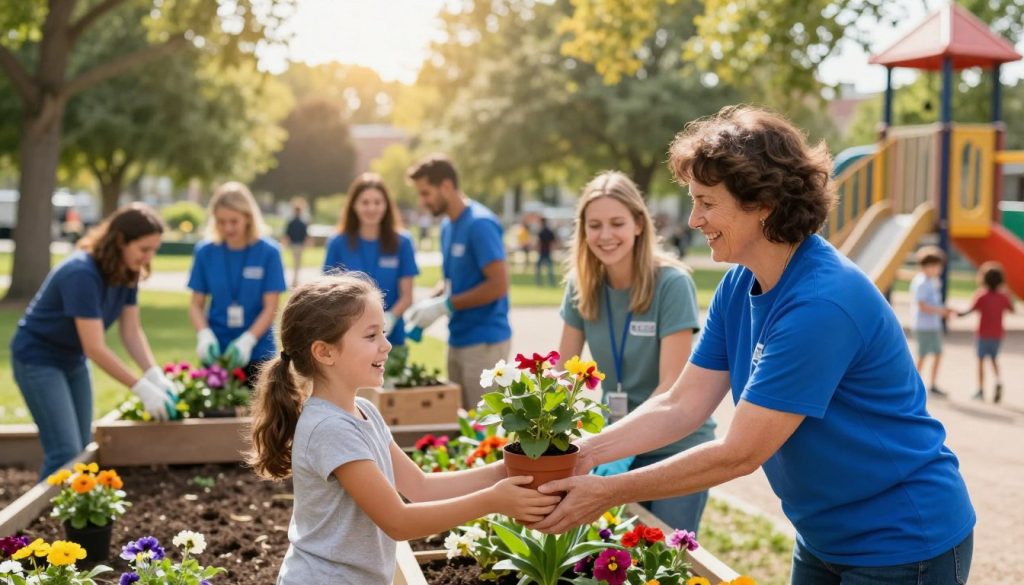
Many of us see everyday heroes as people who help others. Volunteering is a key step to becoming one. Last year, over 75.7 million Americans volunteered, giving nearly 5 billion hours to causes they care about. If you’re thinking about joining, finding a cause and volunteer opportunities is easier than you might think.
Finding the Right Cause for You
Start local volunteer work by figuring out what matters most to you. Ask yourself these questions to find your passion:
- What issues make your heart ache when you hear about them?
- What skills do you have that could benefit others—teaching, building, organizing, listening, cooking, or designing?
- What age groups do you connect with most easily—children, teens, adults, or seniors?
- How much time can you realistically commit each week or month?
- Do you prefer hands-on work or behind-the-scenes support?
Your answers are important because the best volunteer work is whatever you’ll actually show up for consistently. Start with what you genuinely care about. Passion keeps you going when the excitement fades. Remember, starting small is okay. Many people start with one event and grow as they find what energizes them.
Volunteer Opportunities in Your Area
Finding volunteer opportunities near you is easy. Here are ways to discover local volunteer work:
| Resource Type | How to Use It | Best For |
|---|---|---|
| Online Platforms (VolunteerMatch.org, Idealist.org) | Search by location, cause, and time commitment | Browsing multiple opportunities at once |
| Direct Outreach to Organizations | Call or visit libraries, animal shelters, food banks, community centers | Building personal relationships with staff |
| Community Bulletin Boards | Check coffee shops, libraries, and community centers regularly | Finding local, grassroots opportunities |
| Social Media | Follow local nonprofit organizations for urgent needs | Staying updated on current volunteer needs |
| Community Events | Meet organizers in person at local gatherings | Learning about ongoing volunteer programs |
| Personal Networks | Ask friends and neighbors where they volunteer | Getting trusted recommendations |
Community volunteering opens doors to many rewarding positions. You might find yourself:
- Tutoring students at after-school programs
- Serving as a museum or library guide
- Fostering shelter animals in your home
- Organizing donations at clothing drives
- Building homes with Habitat for Humanity
- Reading stories to children at libraries
- Providing tech support for seniors
- Chaperoning field trips for local schools
- Working at food pantries serving your community
- Managing social media for small nonprofits
The beautiful part about finding your cause is knowing you’re part of a big movement. Your contribution, no matter the form, makes a real difference. Whether it’s one event a year or weekly volunteering, your effort matters a lot to those you serve.
Supporting Mental Health Through Kindness
Mental health challenges affect millions of Americans each year. Many feel isolated and unsupported. Community kindness is powerful in these situations. It creates spaces where people feel valued and understood.
Our everyday actions can change someone’s life. They can find hope in dark times. This is how we support mental health through kindness.
Showing kindness to neighbors doesn’t require being a therapist. We just need to be compassionate and consistent. Small acts of kindness can have a big impact, strengthening our community.
Ways to Show Support to Those in Need
There are many ways to support mental health in our communities. Here are some practical steps:
- Listen without judgment when someone shares their struggles
- Check in regularly with isolated friends, elderly neighbors, and new parents
- Share mental health resources like crisis hotlines and counseling services in community spaces
- Offer practical help with meals, errands, or childcare during difficult times
- Normalize conversations about mental health by sharing your own experiences
- Create or join peer support groups where people with shared challenges connect
- Recognize warning signs and know how to connect people with immediate help
Supporting neighbors starts with presence. Sometimes, the most healing gift is simply showing up. Organizations like Alcoholics Anonymous show that community support works. It has helped millions worldwide recover and rebuild their lives.
The Ripple Effect of Acts of Kindness
Community kindness has a remarkable effect. It triggers positive changes in both the giver and receiver. Research shows kindness releases oxytocin and serotonin, improving mood and reducing stress.
Imagine one person checking on a lonely neighbor. That neighbor feels less isolated and calls an old friend. That friend volunteers at a community center. The volunteer organizes a mental health support group that helps dozens of people. All of this starts from a single act of caring.
The kindness ripple effect strengthens emotional wellness across entire communities. When people experience genuine support, they become more likely to support others. This creates an upward spiral of compassion and connection. We build communities where everyone feels valued, heard, and cared for. That’s the foundation of real healing and lasting change in our neighborhoods.
“In our increasingly disconnected world, the simple act of genuine human connection is revolutionary and healing.”
The Power of Small Gestures
We often think big gestures are needed to make a difference. But, small gestures can change neighborhoods and strengthen bonds. Simple acts of kindness in our daily lives build stronger communities. These acts take just minutes but have lasting effects.
Everyday Actions That Make a Difference
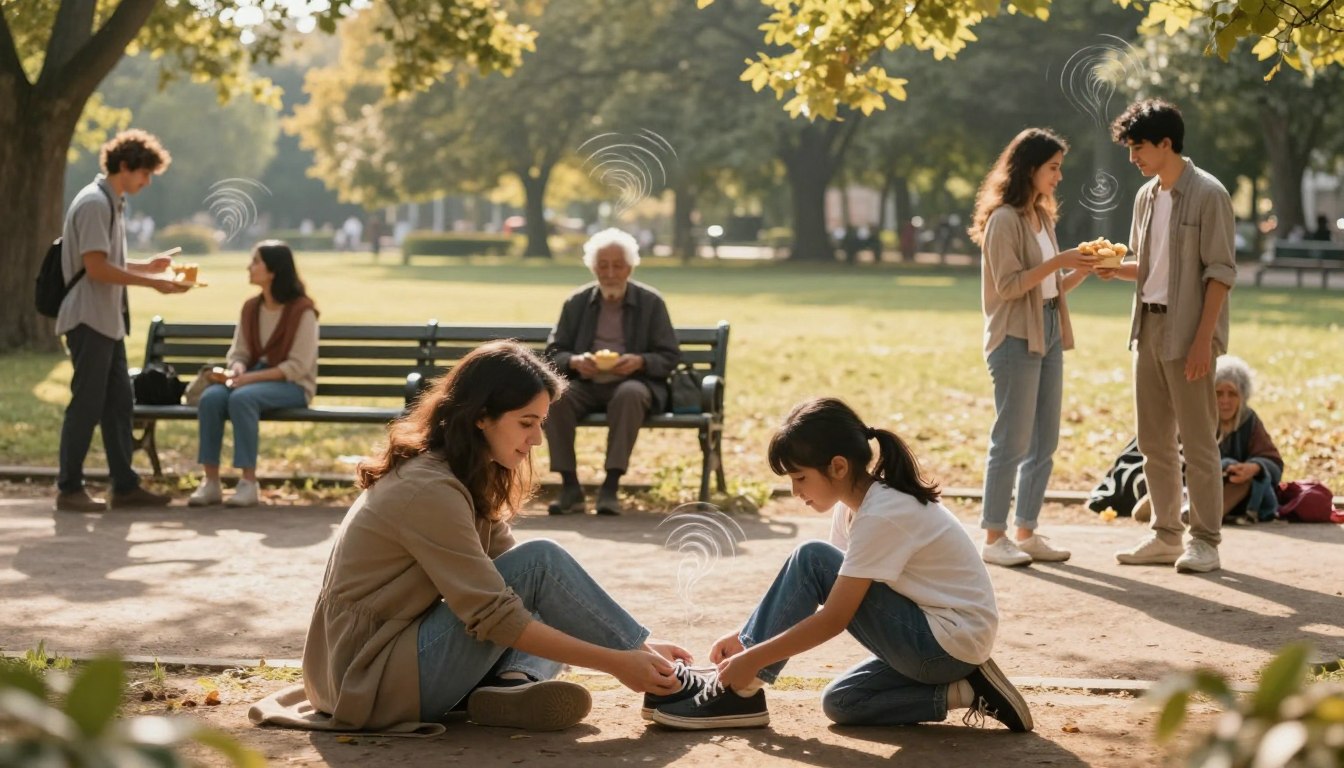
Kindness doesn’t need special skills or lots of money. It just needs attention and a willingness to help. Think of the teenager who rakes leaves for elderly neighbors or the parent who watches kids during meetings.
Kids making birthday cards for homeless children brighten their days. Community members writing to seniors in care facilities connect them during lonely times.
Here are ways to practice kindness every day:
- Hold the door for someone whose hands are full
- Smile and greet neighbors by name
- Leave encouraging notes for mail carriers or trash collectors
- Return shopping carts for elderly shoppers
- Let someone go ahead of you in line if they’re in a rush
- Give a genuine compliment to a stranger
- Pick up litter even when no one’s watching
- Water a neighbor’s plants when they’re away
- Share your umbrella on rainy days
- Leave a generous tip with a thank-you note
- Write positive reviews for small local businesses
- Make extra food when cooking and share with neighbors
- Offer to take photos for tourists struggling with selfies
These small acts can brighten someone’s day. A mowed lawn for Father’s Day, a homemade card for Mother’s Day, or babysitting a sibling shows we care. It shows people they matter to us.
| Daily Kindness Practice | Time Required | Impact Level | Frequency |
|---|---|---|---|
| Greeting neighbors by name | 2-5 minutes | Builds community connection | Daily |
| Raking leaves for elderly neighbors | 30-60 minutes | Provides physical help and companionship | Seasonal |
| Writing letters to seniors in care facilities | 10-15 minutes | Reduces isolation and loneliness | Weekly |
| Making birthday cards for shelter children | 15-20 minutes | Brightens child’s special day | Monthly |
| Babysitting during community meetings | 1-2 hours | Enables parent participation | As needed |
| Returning shopping carts for others | 2-3 minutes | Helps elderly and busy shoppers | Weekly |
| Leaving encouraging notes | 5 minutes | Boosts morale and appreciation | Weekly |
| Mowing neighbor’s lawn | 45-90 minutes | Provides essential help and support | As needed |
Sharing Kindness on Social Media
Social media can spread kindness instead of negativity. Share stories of everyday heroes to inspire others. Join groups focused on good news and support to build a network of kindness.
Here’s how to share kindness online:
- Share stories of everyday heroes in your community with permission
- Create kindness challenges using hashtags like #BeFantastic or #CommunityKindness
- Post about volunteer opportunities to recruit neighbors
- Publicly thank and recognize people who’ve helped your community
- Share mental health resources and crisis hotlines during awareness months
- Celebrate local businesses and organizations doing good work
- Respond to negativity with compassion instead of anger
- Tag friends in kind acts to encourage their participation
The most meaningful posts inspire others to act. Sharing stories of kindness multiplies its impact. Every post about kindness can transform communities. This is how we turn individual moments into movement.
Caring for the Environment as an Act of Kindness
Supporting our community and the environment is simpler than we think. It starts with our daily choices. By reducing waste and conserving resources, we show love for our world.
Small actions can make a big difference. When we all work together, we can create positive change. This builds healthier neighborhoods and a better planet.
Simple Eco-Friendly Practices to Adopt
We can start caring for the planet at home. These steps are easy and show our commitment:
- Use reusable bags, bottles, and containers to eliminate single-use plastics
- Take shorter showers and repair leaky faucets to conserve water
- Turn off lights and unplug devices when they’re not in use
- Compost food scraps to create nutrient-rich soil and reduce landfill waste
- Buy local and seasonal produce to reduce transportation emissions
- Walk, bike, or use public transportation instead of driving when possible
- Support businesses that practice sustainability and environmental responsibility
- Plan meals carefully to reduce food waste and use leftovers creatively
- Switch to reusable alternatives for paper towels, napkins, and cleaning cloths
- Plant native species in your yard that support local wildlife
- Participate in your community’s recycling program
- Repair items instead of replacing them immediately
- Donate or sell items you no longer need
- Learn about environmental issues affecting your local area
It’s not about being perfect. Small improvements in daily habits create massive positive impact. These actions save money, improve health, and teach children important values.
Community Clean-Up Initiatives
Working together for environmental stewardship changes our neighborhoods. Community clean-ups unite us with a shared goal and visible results.
| Activity | What You’ll Do | Community Impact |
|---|---|---|
| Park Clean-Ups | Remove litter, maintain trails, plant native flowers | Creates safe, beautiful spaces for families and wildlife |
| River Clean-Ups | Remove trash and debris from waterways | Protects aquatic life and drinking water sources |
| Adopt-A-Highway Programs | Maintain assigned road sections throughout the year | Reduces litter and beautifies travel corridors |
| Storm Drain Painting | Paint educational messages on storm drains | Prevents illegal dumping and pollution |
| Vacant Lot Transformation | Transform empty spaces into community gardens | Provides fresh produce and green space for neighbors |
To organize or join a clean-up, follow these steps:
- Choose a date and location that works for your community
- Publicize through social media, neighborhood apps, and flyers
- Gather supplies like gloves, bags, and grabbing tools
- Designate a meeting point and arrange waste disposal
- Make it social by providing refreshments and music
- Include educational components about environmental impact
- Invite children and families to build environmental values
- Partner with local government for support and resources
- Document before-and-after photos to celebrate progress
- Establish regular schedules to maintain momentum
Environmental action shows we care about our community. When we clean up parks and rivers, we inspire others. This proves that together, we can make a difference.
Caring for the planet is a kind act. We protect the air, water, and ecosystems that support life. Through our actions, we build better neighborhoods for everyone.
Supporting Local Organizers and Events
Community events are made possible by local heroes. They plan festivals, organize fundraisers, and clean up neighborhoods. These organizers work hard, often without recognition, because they love their communities.
By supporting them, we strengthen our neighborhoods. Our involvement makes events more than just gatherings. It creates bonds that unite us.

How to Get Involved in Community Events
To get involved, first, find out what’s happening in your area. Check library boards, town websites, and local Facebook groups.
Once you find events you like, there are many ways to help:
- Help set up and clean up events
- Be an usher or registration assistant
- Provide food and drinks
- Use your skills like design or photography
- Share photos to help promote events
- Help with kids’ activities
- Clean up after events
- Donate supplies or money
- Bring friends and family
- Thank organizers for their hard work
Many organizers feel unseen. By showing up and thanking them, we become part of the team. This encouragement helps them keep doing their important work.
Benefits of Attending Local Gatherings
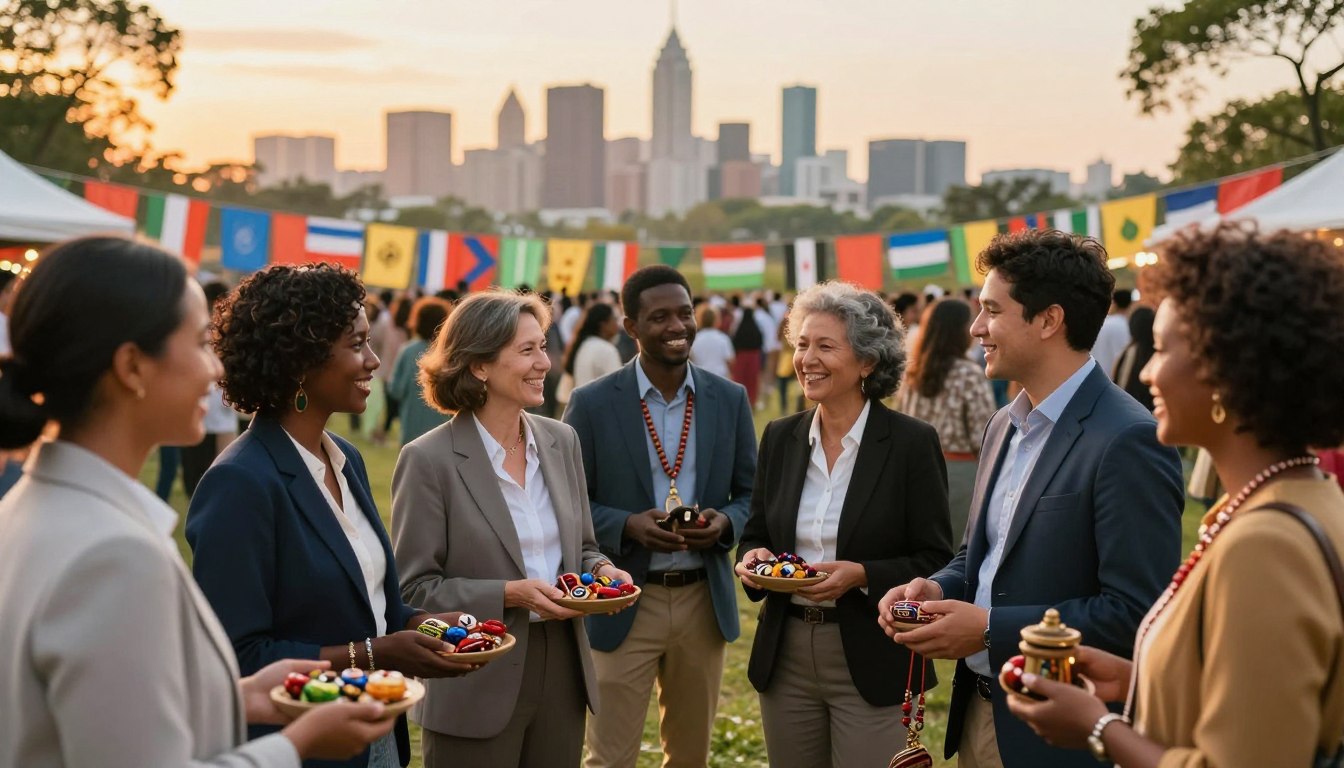
Being there matters a lot. It shows organizers we value their work. Local events create shared memories and a real sense of community.
| Type of Local Gathering | Community Benefits | Personal Benefits |
|---|---|---|
| Town Hall Meetings | Shows officials citizens care about local governance | Learn about neighborhood issues and resources |
| Cultural Festivals | Celebrates diversity and promotes understanding | Experience local talent and traditions |
| School Fundraisers | Supports education in the community | Meet families and strengthen bonds |
| Neighborhood Block Parties | Builds connections that increase neighborhood safety | Develop relationships and support networks |
| Community Races or Sports Events | Showcases local talent and promotes health | Free or low-cost entertainment and exercise |
Attending events shows leaders we value community programs. It teaches kids that neighborhoods are active, engaged places. We build networks that support us in tough times.
Supporting organizers and attending events changes our neighborhoods. These efforts create spaces where people know and care for each other. This is how we make our streets vibrant communities.
Starting Kindness Challenges in Your Community
We can make our neighborhoods better by starting kindness challenges. These challenges help us turn good ideas into actions. They bring people together, sharing values of kindness.
When we create these challenges, we build momentum and accountability. This spreads kindness across our community. We make helping others simple and achievable for everyone.
Ideas for Weekly Kindness Challenges
We can make weekly challenges that fit into our daily lives. Each week focuses on a different way to care for those around us. Here are some ideas:
- Neighbor Connection Week—Introduce yourself to one neighbor you don’t know and offer specific help
- Gratitude Week—Write thank-you notes to service workers like mail carriers and bus drivers
- Environmental Care Week—Pick up litter during your daily walks
- Support Local Week—Shop at local businesses and leave positive online reviews
- Elder Care Week—Visit, call, or help elderly neighbors with household tasks
- Random Acts Week—Perform anonymous kindness acts like paying for someone’s coffee
- Youth Mentorship Week—Volunteer time with children or teenagers in your area
- Health & Wellness Week—Share mental health resources or check on isolated friends
It’s good to use social media hashtags, community boards, or group chats to track progress. These platforms help people share their experiences and encourage others to join. The goal is to have specific and achievable goals, like helping one elderly neighbor.
Involving Schools and Youth Groups
Youth involvement in kindness challenges is key. It helps them become lifelong helpers and leaders. Schools and youth groups are great places to start.
| Age Group | Challenge Activity | Community Impact |
|---|---|---|
| Elementary School | Kindness Bingo with actions like helping classmates and thanking cafeteria workers | Builds empathy and peer support in younger students |
| Middle School | Kindness Counts campaigns tracking collective acts with visible community displays | Shows students their combined efforts matter |
| High School | Senior Service Days pairing upperclassmen with younger students or elderly neighbors | Develops leadership skills and intergenerational connections |
| Youth Groups | Monthly service projects addressing different community needs through Scouts and 4-H | Creates sustained commitment to community service |
For school kindness programs to work, we need teachers, administrators, and parents involved. Celebrate participation with school assemblies, newsletters, and social media. Let students design their own challenges to boost their excitement and creativity.
Let’s work with local youth groups to make a lasting impact. When young people join community challenges, they become tomorrow’s heroes.
Celebrating Unsung Heroes
We live in communities where quiet acts of service happen every day. These unsung heroes work behind the scenes, asking for nothing in return. Recognizing them is important. It shows we value their efforts and encourages others to help out too.
Recognition doesn’t have to be big or expensive. It just needs to be real and thoughtful. By highlighting these heroes, we create a culture that values service.
Highlighting Local Heroes through Storytelling
Hero storytelling is a powerful way to celebrate everyday heroes. Sharing real stories of real people shows what’s possible in our communities. These stories inspire action and build connections.
Start by finding local heroes. Look to community organizations, schools, libraries, and neighbors who always help out. Approach them with genuine appreciation and ask to share their stories. Ask about what inspired them, the impact they’ve seen, and what keeps them going.
The key is to capture the human side of their stories. Share these stories in different ways to reach more people:
- Written profiles for newsletters and social media
- Video interviews for YouTube and Facebook
- Photo essays for Instagram
- Podcast interviews for audio learners
Focus on the impact they’ve made. Instead of just listing activities, describe the difference they’ve made. For example, “she volunteers at the food bank” could become “her weekly presence means 50 families have nutritious food and someone who knows their names.” This approach makes recognition meaningful and memorable.
Creating a Platform for Recognition
We can also build lasting platforms for celebrating everyday heroes. These platforms ensure recognition becomes a part of our community culture, not just a one-time event.
Here are some practical ways to do this:
| Recognition Strategy | How It Works | Best For |
|---|---|---|
| Annual Community Service Awards | Establish awards with categories for different types of service like youth leadership and lifetime achievement | Honoring multiple heroes across the community |
| “Everyday Hero” Media Features | Monthly spotlights in local newspapers and websites | Building awareness and sharing stories widely |
| Community Hero Boards | Install displays at libraries, community centers, and town halls with photos and descriptions | Visible, ongoing recognition |
| Recognition Events | Organize volunteer appreciation breakfasts and community awards ceremonies | Celebrating multiple people together |
| Social Media Campaigns | Use hashtags like #LocalHeroSpotlight or #OurCommunityHeroes | Reaching younger audiences and building engagement |
| Municipal Proclamations | Ask local officials to issue proclamations recognizing volunteer contributions | Formal acknowledgment of significant service |
| Peer Nomination Systems | Allow community members to nominate neighbors for recognition | Grassroots, community-driven celebration |
The most meaningful recognition is thoughtful and personal. A handwritten note explaining specific impact means a lot more than a generic certificate. Before recognizing anyone, ask how they’d prefer to be acknowledged. Some heroes might not want public attention, and respecting their wishes is important.
Remember, celebrating everyday heroes isn’t just about making them feel good. It’s about building a culture where service is valued, modeled, and sustained across your entire community.
Fostering a Culture of Gratitude
Building gratitude in communities turns neighborhoods into places where everyone feels valued. A culture of gratitude helps us build stronger relationships and deeper connections. It makes us kinder to one another.
When we start to notice and thank each other, everything changes. Communities filled with gratitude have less conflict and more cooperation. They are more willing to help each other out. We can all help create this positive change, starting in our own neighborhoods.
The Benefits of Gratitude in Communities
Gratitude in communities brings amazing benefits. People feel safer, more connected, and valued. Studies show that those who feel appreciated are more likely to volunteer and help their neighbors.
This creates a cycle of kindness. Gratitude also strengthens our bonds with neighbors. It helps us see our challenges in a new light.
Instead of focusing on what’s missing, we appreciate what we have. In schools, gratitude leads to less bullying and better grades. In workplaces, appreciation keeps volunteers engaged and reduces burnout.
Gratitude helps us get through tough times too. When disasters hit, communities with gratitude recover faster. They recognize their strengths and support each other better.
| Community Setting | Gratitude Impact | Observable Results |
|---|---|---|
| Neighborhoods | Regular appreciation for small kindnesses | Increased safety and connection among residents |
| Schools | Gratitude practices and appreciation rituals | Reduced bullying and improved academic performance |
| Organizations | Recognition of volunteer contributions | Higher retention rates and reduced burnout |
| Service Sectors | Public appreciation for workers | Improved morale and service quality |
How to Nurture a Gratitude Mindset
We can start building appreciation culture today. Personal practices are key to community-wide change. When we show gratitude, others are more likely to do the same.
Individual practices that work:
- Keep a daily gratitude journal noting three specific things you appreciate
- Express appreciation directly to at least one person each day
- Write thank-you notes to people who’ve impacted your life
- Take gratitude pauses throughout the day to mentally acknowledge something good
- Reframe challenges by identifying what you’re learning or what support you’re receiving
- Model thankfulness practices for children by verbalizing your appreciation
Community-level initiatives that strengthen appreciation:
- Create gratitude boards at community centers where people post appreciation notes
- Organize card-making sessions where neighbors create birthday and holiday cards for isolated seniors
- Establish appreciation campaigns for often-overlooked service workers like mail carriers, sanitation crews, and bus drivers
- Implement “Thankful Thursdays” on community social media where members share appreciations
- Begin meetings and events with gratitude sharing circles
- Coordinate thank-you card campaigns for military personnel, first responders, and healthcare workers
- Start community traditions around holidays where people share what they’re grateful for
Showing gratitude doesn’t need to be big. A homemade card for your mom, a thank-you note to a nurse, or a simple hug for a neighbor can make a big difference. These small acts remind us that our efforts matter and we make a difference.
“Gratitude turns what we have into enough.” — Aesop
Gratitude in communities becomes powerful when we see our dependence on each other. Each person adds something valuable to our shared life. When we thank each other for our contributions, we strengthen the bonds that hold us together. This builds harmony and collective wellbeing for everyone.
Your Kindness Challenge for Today
You’ve learned to spot kindness everywhere. You know how to support your neighbors and celebrate community heroes. Now, it’s time to take action today. We don’t need to wait for the perfect moment. We can start small, right now.
Daily kindness actions fit into any schedule. Whether you have five minutes or thirty, there’s a challenge for you. Choose an action that feels right for your life.
Simple Ways to Spread Kindness and Support Your Neighbors
Five-minute actions are powerful. Smile and greet three neighbors by name. Leave a note for your mail carrier. Text someone you haven’t talked to in a while. Share appreciation for a local business on social media. Pick up litter during your walk.
Fifteen-minute actions let you do more. Write a thank-you note to someone who makes a difference. Bake cookies for someone next door. Call an elderly relative or neighbor. Donate items to a local shelter. Water a neighbor’s garden or shovel their walkway.
Thirty-minute actions make a big difference. Rake leaves or mow the lawn for an elderly neighbor. Volunteer to babysit so a parent can relax. Visit someone who’s homebound. Organize a small donation drive among your neighbors. Start planning a kindness challenge for your street or workplace.
Ongoing kindness commitments shape who we become. Volunteer regularly at a local organization. Start a gratitude journal and share appreciations. Attend one community event each month. Join or start a kindness network in your neighborhood. Become a mentor to a young person or newcomer.
Today’s challenge is simple but powerful: the Neighbor Connection. Introduce yourself to one neighbor you don’t know, or reconnect with one you haven’t spoken to recently. Share your name, ask about their day, and offer help. Maybe you could watch their house while they’re away. Share garden produce. Exchange phone numbers for emergencies. Or simply be someone they can call on. That’s five minutes. One connection. Endless possibilities.
This kindness challenge matters because strong neighborhoods are built one relationship at a time. The neighbor you meet today might become your closest friend or emergency contact. Your introduction might be the only meaningful conversation they have all week. Supporting neighbors starts with knowing them. Isolation is a big challenge in modern communities. Your willingness to connect changes that reality.
You already are an everyday hero. Every time you choose kindness over indifference and connection over isolation, you’re being fantastic. You’re contributing to the web of caring that holds our communities together. You’re modeling what’s possible for others. You’re creating ripples that will spread far beyond what you’ll ever see. The world doesn’t need more people waiting for permission to make a difference. It needs people like you who recognize that heroism isn’t about capes. It’s about showing up, paying attention, and choosing to care.
Take your kindness challenge today. Spot the unsung heroes around you and let them know they’re seen. Support your neighbors in small, consistent ways. Celebrate the good you witness. Trust that your actions matter because they absolutely do. Welcome to the community of everyday heroes. We’re so glad you’re here.