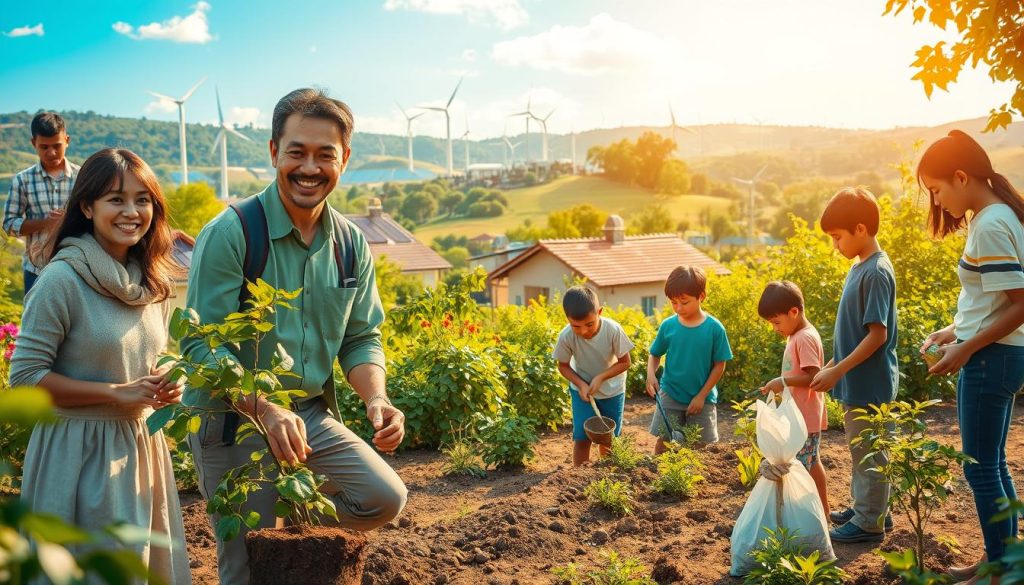
We live in a time where our choices are more important than ever. Every day, we wake up knowing the world faces big challenges. Climate change, plastic in our oceans, and disappearing forests keep us up at night. Yet, amidst all this, we hold onto hope.
Over 60% of Americans worry about climate change. This shows we’re all in this together. We’re not alone in feeling the weight of these issues.
Sustainable kindness starts with a simple truth. Taking care of our planet is also taking care of ourselves and our loved ones. It’s not about being perfect. It’s about making progress every day.
When we build eco-habits into our lives, we’re not just helping the environment. We’re joining a movement of millions who care about our shared home. We’re showing up with intention, day after day, in small ways that add up to real change.
Think about the last time you made a choice that felt good. A choice that aligned with your values. That feeling matters. That’s what sustainable kindness feels like in action.
We can create that feeling every single day by making choices that protect our shared home and the people we care about. It’s the warm glow we get when we know we’ve done something right.
In the pages ahead, we’ll explore the “Be Fantastic” philosophy. We’ll learn practical eco-habits that fit into real life. We’ll discover how supporting our neighbors and communities creates ripples of positive change.
We’ll find out that protecting our shared home doesn’t require sacrifice. It requires kindness. The kind of kindness that feels natural once we start.
Key Takeaways
- Sustainable kindness means making choices that help both people and our planet every day
- Over 60% of Americans care deeply about climate change and want to take action
- Building eco-habits is about progress, not perfection, in protecting our shared home
- Small daily choices create big ripples of positive change in our communities
- We’re part of a growing movement of millions working toward a healthier future
- Being fantastic means showing up for our environment in practical, achievable ways
Understanding Sustainable Kindness
Sustainable kindness means making choices that help both people and the planet. By being eco-conscious, we’re not just saving the environment. We’re also showing kindness to our neighbors, future generations, and all living beings. Every choice we make has a big impact, even if we don’t see it right away.
Consider this: using your own coffee cup instead of a disposable one. This small act is kind to the barista and helps reduce trash. It also keeps our oceans clean and gives a better world to future generations. These small actions add up and make a big difference.
What is Sustainable Kindness?
Sustainable kindness is about caring for the environment and being kind to others. It’s about choosing products that respect nature and supporting local farmers. It’s about reducing waste and giving back to our planet.
Studies show that 70% of consumers look for eco-friendly foods. And 91% of them buy these items often. This shows that living sustainably is becoming the norm. It’s seen as good for business and for our planet.
Why It Matters for Our Planet
Our world faces big challenges like climate change, pollution, and losing habitats. But, we can solve these problems together. By making smart choices, we can make a real difference.
- Climate stability depends on reducing waste and emissions
- Ocean health improves when we stop using single-use plastics
- Future generations benefit from forests we protect today
- Local ecosystems thrive when we support sustainable practices
Connecting Kindness to Eco-Habits
Every eco-habit is a kind act. It’s a way to give the planet a healthier future. Research shows that 32% of consumers have boycotted products for environmental reasons. And 36% have chosen different brands for sustainability. Our choices have a big impact.
Your actions count. Buying from farmers markets helps local workers and the land. Carpooling is good for the air we breathe. Choosing products with less packaging helps all creatures. We’re all working together to create a better future.
The “Be Fantastic” Philosophy
Living with intention means asking ourselves each day: “What’s one kind thing can I do for our planet today?” This is the heart of the “Be Fantastic” philosophy. It’s not about making perfect choices or changing your whole life at once. It’s about showing up with compassion and purpose, choosing green practices that align with your values.
Research shows that half of consumers are buying more sustainable products than five years ago. This tells us something powerful: positive change is spreading. People like us are making different choices every single day. We’re refusing plastic straws, walking instead of driving short distances, and sharing environmental tips with friends and family. These small actions create waves of transformation across our communities.
Embracing Positive Actions Daily
Being fantastic doesn’t require grand gestures. It lives in the small decisions we make each morning. Pack your lunch in reusable containers. Bike to work a few days each week. Spend time picking up litter at your local park. These actions reflect green practices that fit naturally into busy lives.
The beauty of this philosophy is its accessibility. Whether you live in an urban apartment or a suburban home, you can find ways to contribute. Your choices matter. Your commitment to an environmentally friendly lifestyle influences those around you—family members, coworkers, and neighbors notice and respond.
How This Philosophy Can Transform Our Lives
When we align our actions with our values, something shifts inside. We experience greater purpose and connection to something bigger than ourselves. Living with intention creates a positive cycle: our green practices inspire others, spreading the environmentally friendly lifestyle through communities like ripples in water.
Transformation doesn’t demand perfection. It requires persistence and self-compassion. Every fantastic choice you make—no matter how small—contributes to global harmony. Together, our individual actions shape the world we share.
- Pack waste-free lunches in reusable containers
- Bike or walk for short trips when possible
- Join community clean-up efforts
- Support local, sustainable businesses
- Share environmental knowledge with friends
Simple Eco-Habits We Can Adopt
We can make our lives greener without big changes. Start small and grow over time. Every habit we add helps our planet.
Finding what works for you is key. Stick with it. Soon, these small steps will make a big difference.
Reducing Single-Use Plastics
Plastic pollution is a big problem. Every year, 14 million tons of plastic go into our oceans. This harms thousands of animals.
But, we can change this. We can start today. Simple swaps can make a big difference.
Most people care about packaging’s impact. Stores are now making eco-friendly choices. Here’s how you can too:
- Carry a reusable shopping bag (keep a collapsible one in your purse or car)
- Invest in a quality water bottle and coffee cup
- Switch to reusable silicone bags instead of plastic wrap
- Choose products with minimal packaging at the grocery store
- Use glass or stainless steel food storage containers
Begin with one change. Try using reusable bags this week. Every swap helps.
Choosing Local and Organic
What we eat affects our planet. The U.S. uses a lot of pesticides. This harms animals and our environment. Buying local and organic helps.
Here’s how to make better food choices:
- Visit farmers’ markets on weekends to find fresh, local produce
- Join a Community Supported Agriculture (CSA) program for weekly deliveries
- Look for organic labels, specially for the “Dirty Dozen” produce items
- Support local farms even when organic isn’t affordable
- Ask farmers about their growing practices
Local food means less travel. This saves energy and gives us fresher food. We also meet the people who grow our food.
Energy Conservation in Our Homes
Our homes use a lot of energy. Making smart choices can cut energy use in half. This saves money and helps the planet.
| Energy Conservation Step | Environmental Benefit | Monthly Savings |
|---|---|---|
| Switch to LED bulbs throughout your home | Reduces electricity demand by 75% | $10-15 |
| Install a programmable thermostat | Lowers heating and cooling emissions | $15-20 |
| Unplug devices or use power strips | Eliminates phantom energy drain | $5-10 |
| Seal drafts and improve insulation | Reduces heating and cooling needs | $20-30 |
| Run full loads in appliances | Uses less water and electricity per load | $8-12 |
Start with one energy-saving habit. Change your light bulbs to LED this week. Lower your thermostat a bit at night. Unplug chargers when not in use. These changes are easy.
We don’t have to do everything at once. Every change helps our planet. Our homes become more comfortable, our bills go down, and we all help the climate.
Supporting Our Neighbors
Living sustainably is better when we do it together. Our neighborhoods are key for saving the planet and connecting with each other. When we support each other in eco-friendly choices, we make a big difference. Together, we can do more than we could alone.
The Power of Community Gardening
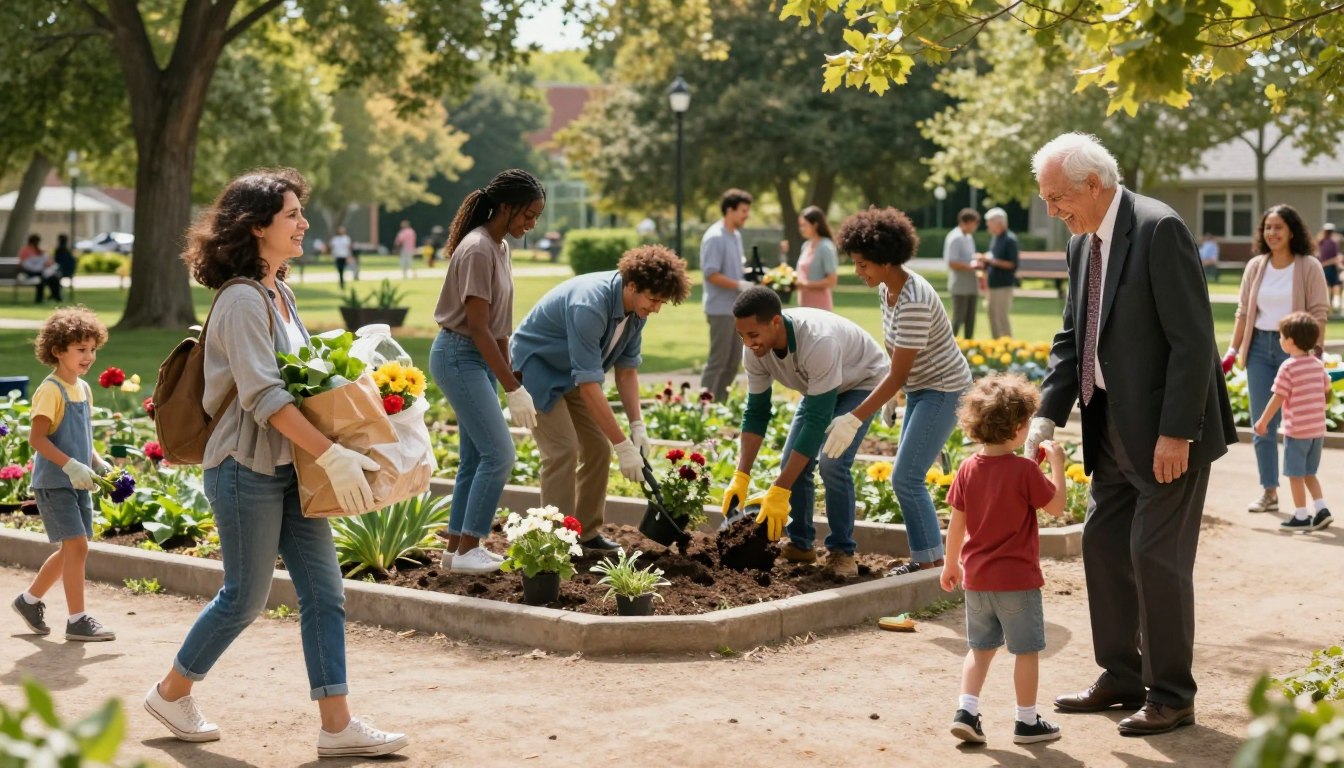
Community gardens turn empty spaces into green oases. Neighbors grow food together, cutting down on food transport and helping pollinators. Working together, we grow more than just food.
Starting a community garden is easy:
- Look for gardens in your area through local parks or communitygarden.org
- Get neighbors together and find a spot to garden
- Check with local government for permits and help
- Plant native plants to attract insects and support local life
These gardens are places where neighbors meet, kids learn, and communities grow.
Organizing Clean-Up Days
Cleaning up together is a way to care for our spaces and celebrate. Start with your street and invite neighbors to help out.
Make these clean-ups fun:
- Choose a regular time that works for everyone
- Offer snacks and music to make it festive
- Get kids involved to teach them about caring for the planet
- Join bigger clean-ups like the International Coastal Cleanup
These events can lead to new friendships and ongoing environmental projects in your area.
Sharing Tools and Resources
Sharing with neighbors makes sustainable living easier and cheaper. It saves money and builds strong community bonds.
| Sharing Ideas | Environmental Benefits | Community Benefits |
|---|---|---|
| Neighborhood tool library | Reduces waste and saves resources | Saves money for everyone |
| Clothing swaps | Reduces waste and extends garment life | Strengthens friendships through shared experiences |
| Buy Nothing groups | Keeps items out of landfills | Builds support networks |
| Bulk organic purchases | Reduces packaging waste and emissions | Makes green choices more affordable |
| Produce sharing | Fights food waste and supports local food systems | Strengthens neighbor bonds |
In the U.S., almost 40% of food goes to waste. Sharing food with neighbors fights this waste and builds connections. We are stronger together, and living sustainably creates caring communities.
Caring for Our Planet Together
When we focus only on our own eco-habits, we miss a powerful truth. Our actions matter, but they become even more powerful when we join forces with our communities. Protecting our home demands both personal choices and collective action.
By participating in conservation efforts and advocating for sustainable policies, we multiply our impact. This section shows you how to become an active participant in larger environmental movements. These movements shape our towns and protect our planet for generations to come.
Participating in Local Conservation Efforts
Conservation efforts thrive when everyday people like us get involved. We don’t need special training or expertise to make a real difference. Local environmental organizations constantly seek volunteers who care about their communities.
Here are meaningful ways we can participate:
- Volunteer with land trusts, river keeper programs, or wildlife rehabilitation centers
- Join citizen science projects that monitor bird populations and water quality
- Support local conservation initiatives through donations or memberships
- Attend public hearings about environmental issues in our area
- Help track invasive species threatening our local ecosystems
Real communities show us what’s possible. In Asheville, North Carolina, volunteers with RiverLink have removed tons of debris from the French Broad River. Their work creates healthier ecosystems and more beautiful public spaces for everyone.
Our purchasing power also supports conservation. When we boycott products made from endangered species and choose sustainable alternatives, we create market pressure for change. This simple choice extends conservation efforts into our everyday decisions.
Advocating for Sustainable Policies in Our Towns
Policy change multiplies individual impact in ways we might not realize. When our town adopts a plastic bag ban or invests in renewable energy, everyone benefits. Democracy works best when concerned citizens show up and make their voices heard about protecting our shared home.
Civic engagement is more accessible than you think. Consider these practical steps:
- Attend city council or town board meetings (many offer virtual options now)
- Contact local representatives by email or phone about environmental priorities
- Vote for candidates with strong environmental platforms
- Sign petitions supporting environmental initiatives
- Write letters to local newspapers about sustainability issues
- Join local environmental advocacy groups in your area
Urging representatives to pass stronger policies that limit greenhouse gases and protect public lands represents one of our most impactful actions. When residents of Berkeley, California, advocated for building codes requiring electric appliances, they influenced policy that will reduce emissions for decades to come.
Advocacy isn’t confrontational. It’s simply making our voices heard as concerned community members. We don’t need to be experts in environmental science. We just need to care deeply about conservation efforts and our communities.
By showing up, speaking up, and taking action, we transform our towns and contribute to protecting our shared home.
| Advocacy Action | Time Required | Impact Level | Best For |
|---|---|---|---|
| Attend town meetings | 2-3 hours monthly | High | Long-term policy influence |
| Write to representatives | 15-30 minutes | Medium-High | Quick action on specific issues |
| Vote for environmental candidates | 1-2 hours | Very High | Electing leaders who prioritize conservation |
| Sign petitions | 5-10 minutes | Medium | Building momentum for initiatives |
| Join advocacy groups | 5-10 hours monthly | Very High | Sustained community-wide change |
| Write opinion letters | 30-45 minutes | Medium | Public awareness and pressure |
Our participation in conservation efforts and advocacy creates waves that reach far beyond our neighborhoods. When we care about protecting our shared home through both action and voice, we become part of something larger than ourselves. We inspire others, influence policy makers, and build the sustainable communities we all deserve to live in.
The Role of Mindfulness in Sustainability
Mindfulness is about being present and intentional with our choices. It helps us develop stronger eco-conscious behavior. We also build a deeper connection with our planet. Sustainable living becomes a way of thinking and feeling about nature.
By slowing down and being thoughtful, we discover that protecting the Earth starts from within.
Practicing Mindful Consumption
Every product we purchase has an environmental footprint. From raw materials to manufacturing pollution to packaging waste, our buying choices shape our planet’s future. Mindful consumption means pausing before we shop and asking ourselves real questions.
Do I truly need this? Will I use it regularly? Can I borrow, rent, or buy it secondhand instead?
Research shows that 80% of consumers already care about how they buy and prepare food to minimize waste. People committed to sustainable living often choose ethics over price when making purchases. This mindful approach actually saves money by reducing unnecessary buying.
- Wait 24-48 hours before buying something new
- Keep a list of items you’re considering to avoid impulse purchases
- Research companies’ environmental practices before buying
- Follow a “one in, one out” rule—remove something old when something new arrives
- Choose secondhand options whenever possible
Gratitude for Nature’s Gifts
Cultivating appreciation for the natural world motivates us to protect it. When we recognize what nature provides—clean water, fresh air, food, and beauty—we shift from taking Earth for granted to seeing it as precious. Gratitude deepens our commitment to sustainable living.
- Start each day by naming one thing nature provides
- Keep a nature gratitude journal
- Express thanks before meals for the sun, water, soil, and farmers
- Teach children to notice and appreciate nature’s abundance
Engaging in Nature Walks
Direct contact with nature strengthens our eco-conscious behavior. When we regularly experience natural spaces—whether local parks, nature preserves, or tree-lined neighborhoods—we become more motivated to protect them. Aim for at least one walk per week.
- Practice “noticing walks” by observing birds, plants, and seasonal changes
- Walk without headphones to hear natural sounds
- Bring family or friends to share the experience
- Photograph or sketch natural beauty to deepen your observation
Nature walks reduce stress, improve our health, and reconnect us to the ecosystems we work to protect. Through mindfulness, sustainable living becomes a natural expression of how much we care.
Sustainable Choices in Our Diet
What we eat shapes our world. Our food choices are key to building an environmentally friendly lifestyle. The average American throws away nearly 40% of edible food, wasting water, land, and energy used to grow it.
Meat production uses a lot of water and pollutes a lot. About 70% of consumers want foods made through green practices. We don’t need to change everything at once. Small changes in what we eat can make a big difference.
Meal Planning to Reduce Waste
Smart meal planning cuts food waste and saves money. Spend 30 minutes each week planning meals around ingredients you already have. Write a detailed shopping list organized by store section to avoid impulse buys.
When you get home, prep vegetables right away so they’re ready to use. Designate one night per week as “use it up” night. Create meals from odds and ends in your fridge.
Store food properly to extend freshness—keep herbs in water like flowers, and store greens in breathable bags. Freeze excess food before it spoils.
- Plan meals for the entire week
- Prep ingredients immediately after shopping
- Store produce correctly to last longer
- Freeze extras before they go bad
- Try apps like Too Good To Go to share excess food
Introducing Plant-Based Meals
Animal agriculture is a big environmental destroyer. It uses a lot of water, creates greenhouse gases, and destroys habitats. Eating less meat is one of the highest-impact changes we can make.
Start small. Try “Meatless Mondays” with one plant-based dinner weekly. Explore cuisines that naturally feature plant-based dishes—Indian dal, Mediterranean mezze, Mexican bean dishes, and Thai vegetable curries offer delicious options.
Even reducing meat consumption makes a big difference. Involve your family in trying new recipes together. Focus on whole foods that taste great and nourish your body.
| Plant-Based Meal Ideas | Benefits |
|---|---|
| Seasoned lentil tacos | High in protein and fiber, saves water |
| Chickpea curry with rice | Satisfying and filling, reduces emissions |
| Black bean pasta with vegetable sauce | Familiar comfort food, lower environmental impact |
| Tofu stir-fry with seasonal vegetables | Quick to prepare, conserves resources |
Supporting Local Farmers’ Markets
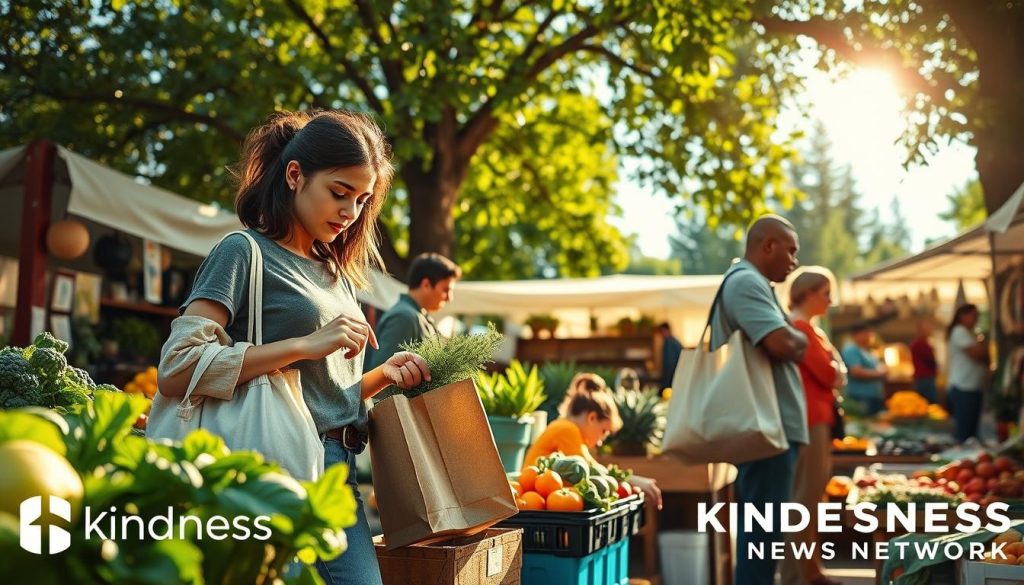
Local food reduces transportation emissions and supports regional farmers. When you buy at farmers’ markets, produce is fresher and more nutritious. You can ask growers directly about their green practices and how they farm.
Find markets near you through LocalHarvest.org or your local agricultural extension office. Go early for best selection or late for discounts. Bring reusable bags and containers. Build relationships with farmers and ask about their growing methods. Buy in-season produce for the best prices and lowest environmental footprint.
- Visit farmers’ markets weekly for fresh, local produce
- Get to know farmers and their sustainable practices
- Buy seasonal items for better prices and green practices
- Consider joining a CSA for weekly produce deliveries
- Many markets now accept SNAP benefits for accessibility
Our dietary choices reflect how much we care for our shared home. By making thoughtful decisions about what we eat, we build an environmentally friendly lifestyle that nourishes both our bodies and our planet.
Transportation: Going Green Together
Transportation is a big source of pollution worldwide. Our travel choices affect our carbon footprint and communities. Choosing eco-friendly transport doesn’t mean losing convenience. It’s about smarter travel that cuts down harmful emissions.
Every trip is a chance for climate action. Carpooling, using public transit, or fewer trips can help. Let’s look at practical transport options for American life.
Carpooling and Ride Sharing
Sharing rides cuts emissions, eases traffic, and saves money. Carpooling also builds community. Start small, like for work or school.
Real solutions include:
- Using apps like Waze Carpool or Scoop to connect with neighbors heading the same direction
- Creating carpool groups through social media or neighborhood apps like Nextdoor
- Coordinating with coworkers for commuting just two days weekly
- Sharing rides to events, shopping trips, or appointments with friends
- Using ride-sharing services like Uber Pool or Lyft Shared when needed
Many find carpooling turns commutes into social time. It’s about meaningful talks, not traffic stress.
Using Public Transport Effectively
Public transit is a big climate action step. But, many don’t use it due to route confusion or routine challenges.
Make public transport work for you:
- Plan routes using Transit, Google Maps, or your city’s transit app
- Start with specific trips like commuting to work or attending downtown events
- Combine transit with biking or walking for short distances
- Advocate for improved transit by contacting local officials
- Work remotely when possible to eliminate commuting altogether
Public transit offers benefits beyond emissions cuts. Riders get extra time for reading or relaxing. It’s cheaper than driving and parking.
Other eco-friendly options include walking or biking short distances. Combining errands into one trip helps. Regular vehicle maintenance and using electric or hybrid cars are also steps towards climate action.
Encouraging Others to Join Us
Building a community around sustainable kindness means inviting others into our journey without judgment. When we share green practices thoughtfully, we create ripples of change that extend far beyond our own households. Research shows that nearly two-thirds of shoppers would try sustainable brands if price and quality match conventional options. This tells us people are ready to change when we make it feel accessible and achievable.
The key is meeting people where they stand. Our role becomes one of gentle inspiration, not criticism. When we lead with kindness toward those learning about sustainable living, we open doors that lectures and guilt never could.
Creating a Supportive Environment
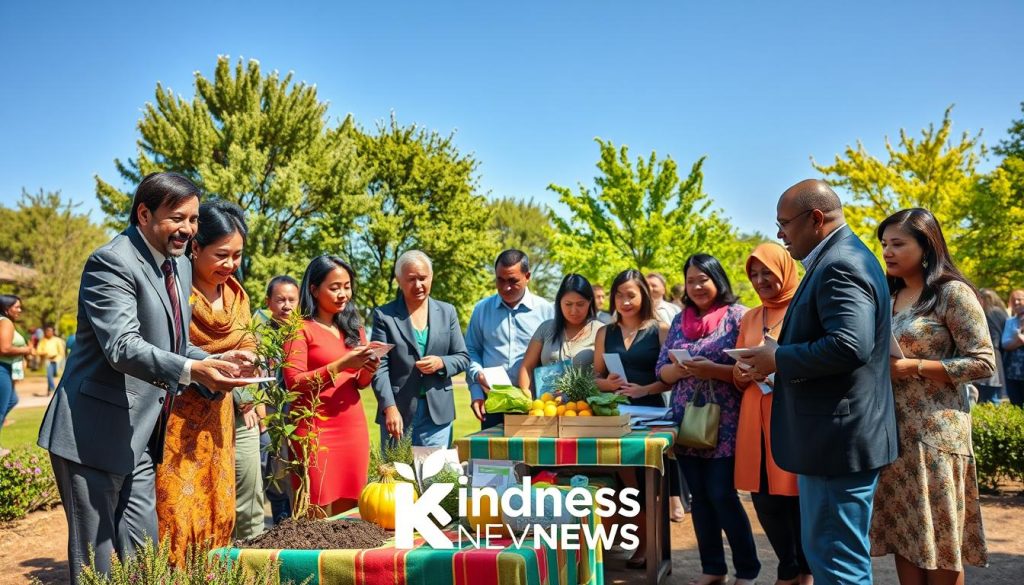
Sustainable kindness toward others means building spaces where people feel encouraged to try green practices. When friends notice your reusable containers or see you shopping at the farmers’ market, they’ll naturally ask questions. Let your actions spark those conversations.
Here’s how we can foster support:
- Lead by example with your daily choices
- Invite friends to sustainable activities like clothing swaps or community cleanups
- Celebrate small efforts genuinely and warmly
- Share helpful resources without pressure
- Offer practical help—loan extra reusable bags or share your meal planning template
- Remember each person’s sustainability path looks different
About half of consumers say a brand’s environmental values matter deeply to them. When we approach conversations around green practices with respect, people respond positively to values-based discussions.
Starting Conversations about Sustainability
Talking about sustainability works best when we focus on why we make choices, not why others should. Share your personal story: “I started composting because I love knowing food scraps feed my garden instead of landfills.” This approach invites connection instead of defensiveness.
Try these conversation starters:
- Ask genuine questions: “Have you found good ways to reduce plastic at the grocery store?”
- Share positive experiences: “We tried Meatless Monday and discovered an amazing recipe—want it?”
- Highlight unexpected benefits: “Biking to work makes me feel energized”
- Be honest about challenges: “I sometimes forget my reusable bags, but I’m improving”
- Frame sustainability as something we’re figuring out together
When we practice sustainable kindness in how we communicate about green practices, we transform skeptics into curious participants. Every person inspired creates additional waves of change throughout their own circles.
Our Kindness Challenge: Take Action Today!
We’ve seen how kindness and eco-habits protect our planet. Change is happening, with more people choosing sustainable products. This shows we can make a difference together.
Environmental challenges seem big, but we can tackle them. Small actions add up quickly. Our choices create positive changes in our communities and beyond.
Simple Steps for Immediate Change
We can start now. Choose one action that fits your life. Maybe order a reusable item online or grab reusable bags.
Today, we can make a difference. Bring a reusable bag to the store. Plan meals to reduce waste. A short walk in nature connects us to our environment.
This week, try something new. Visit a farmers’ market or eat one plant-based meal. Organize a carpool or talk about sustainability with someone. These actions inspire others to join us.
Inspiring Others to Join Our Movement
Our Kindness Challenge is to pick one eco-habit and stick to it for a week. Share it with someone. Post on social media. Explain why we’re doing it. Invite them to join us.
Getting involved in politics is a powerful action. Vote for environmental candidates. Contact representatives about climate policies. Support organizations working for the planet. Sign up for action alerts to know when to act.
Every time we choose kindness, we vote for a better world. We protect our home for future generations. Our actions create a world where kindness is for all. Let’s act with intention and compassion. The planet needs us, and together, we can do it.