
We live in a world that loves hustle. Our culture says rest is a reward after hard work. We wear exhaustion as a badge and ignore wellness tips. But what if we’ve been wrong all along?
Rest and recovery are key to self-love, just like exercise. When we rest, we’re not lazy. We’re listening to our bodies and caring for ourselves.
Many of us know someone who’s burned out. Maybe it’s us. We push hard at work and in our fitness. We think stopping means failing. But UCHealth experts say recovery is essential for health and performance.
Self-care isn’t just spa days. It’s listening to our bodies and resting when needed. It’s about balance for our vitality. When we rest, we’re better for our families and work.
The “Be Fantastic” philosophy sees rest as vital, not optional. It’s about living a balanced life. We can’t give if we’re empty. Rest fills us up.
Key Takeaways
- Rest and recovery are genuine acts of self-love, not laziness or weakness
- Our culture glorifies busyness, but constant stress harms our physical and mental health
- The CDC reports many Americans exceed activity guidelines but skip necessary rest days
- When we prioritize recovery, we become more present and productive in all areas of life
- Self-care through rest allows us to better support our families, workplaces, and communities
- The “Be Fantastic” philosophy treats recovery as a core part of wellness, not an afterthought
Understanding the Importance of Rest and Recovery
We live in a world that celebrates hustle and constant activity. Many of us push ourselves day after day, believing that taking time off means we’re lazy or falling behind. The truth is quite different. Rest is key to becoming healthier and stronger.
Rest isn’t something we do when we fail—it’s something we do to succeed. When we truly grasp how physical recovery works, everything changes. Our bodies aren’t machines that simply need fuel and use. They’re living systems that build strength, heal injuries, and adapt to challenges during rest periods, not during the workout itself. This shift in thinking can transform how we approach our health and well-being.
What Does Self-Love Look Like?
Self-love means honoring what our bodies tell us. It means listening when we feel tired and responding with compassion. Taking time to rest isn’t selfish—it’s an investment in our health and happiness.
True self-love looks like:
- Honoring your body’s need for sleep and downtime
- Saying no to activities that drain your energy
- Prioritizing recovery without feeling ashamed
- Recognizing that rest is productive, not lazy
- Trusting the process of physical recovery
When we practice self-love through rest, we send a powerful message to ourselves. We’re saying that our well-being matters. We’re choosing to care for ourselves with the same dedication we give to other people we love.
The Science Behind Recovery
The importance of rest becomes clear when we understand what happens inside our bodies during exercise. Physical therapist Jessica Yeaton from UCHealth explains that when we exercise, we actually create tiny tears in our muscle fibers. These microscopic tears might sound harmful, but they’re exactly what leads to growth and strength.
Here’s where physical recovery becomes truly important: those tears don’t repair themselves during your workout. They repair during rest. Depending on the intensity and type of activity, this process typically takes 48 to 72 hours. During this time, our bodies rebuild the muscle fibers stronger than before.
Dr. Karin VanBaak reinforces this concept by noting that exercise breaks down the body. Without sufficient rest, we never give ourselves the chance to rebuild and improve. The magic of getting stronger, faster, and healthier happens during recovery, not during the workout.
| Recovery Timeline | What Happens | Body’s Response |
|---|---|---|
| During Exercise | Muscle fibers break down | Energy is used up |
| First 24 Hours After | Inflammation begins | Blood flow increases to damaged areas |
| 24-48 Hours | Protein synthesis begins | Muscles start repairing |
| 48-72 Hours | Full muscle repair and growth | Strength gains occur |
When we skip rest and push through exhaustion constantly, our bodies stay in a high-stress state. Our cortisol levels remain elevated, which prevents the “rest and digest” mode our bodies need for healing. This affects everything from our injury risk to our immune system strength.
Common Misconceptions
Many myths surround rest and physical recovery. These false beliefs keep us trapped in unhealthy patterns. Let’s examine and bust the most common ones:
- Rest days are for the weak: This couldn’t be further from the truth. Elite athletes schedule rest days because they understand that recovery is where strength develops.
- More exercise always equals better results: Overtraining without adequate physical recovery leads to burnout, injury, and actually decreased performance.
- Rest means doing absolutely nothing: Rest can include light movement, stretching, meditation, or simply relaxation. It’s about giving your body a break from intense effort.
- You’ll lose progress if you take time off: Research shows that proper rest actually accelerates progress by allowing your body to adapt and strengthen.
- I need to feel tired to need rest: The importance of rest isn’t determined by how exhausted you feel. Your body needs recovery on a schedule, not just when it signals emergency mode.
Understanding these truths helps us break free from the guilt surrounding rest. We can now see physical recovery for what it truly is: essential biology, not laziness. When we embrace this perspective, we unlock our full health, strength, and well-being.
The Connection Between Self-Care and Vitality
Resting is more than just a break for our muscles. It’s a key that unlocks our energy, relationships, work, and well-being. Remember the last time you felt fully rested? Everything seemed easier, right? That’s the magic of recovery.
Our bodies are like fuel tanks. Without rest, we drain them dry. Resting is not laziness; it’s smart energy management. A holistic approach sees rest as strengthening our entire body, not just parts.
Enhancing Our Energy Levels
Our energy levels affect everything we do. When we’re low, we can’t be our best. We get impatient, lose creativity, and struggle to focus. Rest changes all that.
Without enough rest, our bodies suffer. Our glycogen stores don’t refill, leading to constant tiredness and injury risks. Our stress hormone cortisol stays high, affecting our mood, blood sugar, and immune system.
- Better focus during work and school
- More patience with family and friends
- Increased creativity for hobbies and projects
- Improved ability to handle daily challenges
- Greater optimism about the future
Building a Foundation for Well-being
Well-being isn’t just about hustle. It’s about balance. Resting is investing in our physical, mental, and emotional health. This is true holistic health.
Our bodies need sleep to repair. Our minds need quiet to process stress. Our emotions need space to reset. When we meet these needs, our well-being improves.
| Body System | Impact of Proper Rest | Impact of Poor Rest |
|---|---|---|
| Cardiovascular | Lower blood pressure, improved heart health | Increased strain, higher risk of issues |
| Muscles and Bone | Faster repair and growth | Slow recovery, increased injury risk |
| Immune System | Stronger defense against illness | Weakened defenses, frequent sickness |
| Mental Health | Better mood, clearer thinking | Brain fog, anxiety, irritability |
| Hormones | Balanced cortisol and growth hormone | Elevated stress hormones, poor regulation |
Rest isn’t selfish. It’s the foundation that allows us to live fully and contribute meaningfully to our world. When we recover well, we’re not just feeling better today. We’re setting ourselves up to be our best selves tomorrow. That’s the real power of understanding the connection between self-care and vitality.
The “Be Fantastic” Philosophy
Being fantastic doesn’t mean being perfect. It’s about showing kindness and compassion to ourselves and others. The “Be Fantastic” philosophy focuses on self-compassion for our well-being. It teaches us that rest is not weakness but a key to a healthy life.
This philosophy changes how we see our worth. It’s not about being busy or achieving a lot. It’s about how we treat ourselves, whether we’re active or resting. Self-compassion reminds us we are human beings, not just doers.
What Does It Mean to “Be Fantastic”?
Being fantastic means accepting our need for rest and recovery. Studies show that regular exercise and rest lead to a longer, happier life. Happy athletes also take quality time to recover.
This philosophy values rest as radical self-acceptance in a busy world. By resting, we teach others that self-care is wise, not selfish. We show that taking care of ourselves benefits everyone.
Practicing Positivity in Our Daily Lives
Practicing positivity changes how we view rest. Instead of calling it laziness, we see it as recovery. This change in language improves our self-care.
- Celebrate rest days as victories, not failures
- Speak kindly to yourself when you’re tired or overwhelmed
- Set firm boundaries around your time and energy
- Choose rest without guilt or shame
- Recognize rest as an investment in your well-being
Self-compassion and rest fill our cup with kindness and patience. With a full cup, we can help others. Our focus on recovery is a gift to the world.
Simple Strategies for Prioritizing Rest
Rest doesn’t have to be hard. We can make our lives more relaxing without spending a lot on spas or long trips. The key is to start small and make rest a part of our daily routine. By doing so, we can feel better and do more each day.
Creating a Relaxation Routine
Starting a relaxation routine is easy. Just 15 minutes each evening can calm our minds and bodies. Think of it as essential self-care that helps us sleep better and feel better.
Here’s a simple evening routine to try tonight:
- Dim the lights one hour before bedtime
- Practice five minutes of deep breathing exercises
- Put away phones and other screens
- Enjoy a cup of herbal tea or warm water
- Read a few pages from a book you love

These small steps tell our bodies it’s time to relax. Being consistent is more important than being perfect. With regular practice, rest becomes a natural part of our lives.
The Power of Naps
Naps are more beneficial than we think. A 20-minute nap can make us feel more alert and happy. A 90-minute nap lets our brains fully rest, giving us deep rejuvenation.
| Nap Duration | Best For | Key Benefits |
|---|---|---|
| 20 minutes | Quick energy boost | Increased alertness and focus |
| 90 minutes | Deep recovery | Complete sleep cycle, mental rejuvenation |
We can fit naps into our day by using lunch breaks or weekend time. Experts say we should rest from hard exercise at least once a week. Even a short car nap with calming music can refresh us for the rest of the day.
Begin with one simple step this week. Rest is a way to love ourselves, and it only requires our dedication.
The Role of Sleep in Our Recovery
Sleep is not just downtime. When we sleep, our bodies start repairing themselves. Muscles rebuild, hormones balance, and our immune system gets stronger. Quality sleep is key to getting our energy back.
Sleep changes our bodies and minds. It’s when our bodies release growth hormone and fix muscle tears. Without enough sleep, our stress levels rise, and we’re more prone to injuries. The American Academy of Sleep Medicine says adults should sleep seven to nine hours a night.
Why Quality Sleep Matters
Both how long we sleep and how well we sleep are important. Sleeping eight hours but waking up often doesn’t help as much. We need deep, uninterrupted sleep for real recovery.
Not sleeping well can hurt more than just our energy. It makes us slower, less focused, and less able to make good decisions. Athletes and workers in demanding jobs suffer the most. It’s clear how important rest is.
Tips for Better Sleep Hygiene
We can make our sleep better with a few simple steps:
- Keep bedrooms cool (65–68°F is ideal)
- Use blackout curtains or eye masks for darkness
- Maintain a consistent bedtime even on weekends
- Create a wind-down routine with warm baths or gentle stretching
- Move phones and screens out of the bedroom
- Stop caffeine intake after 2 PM
Small improvements in sleep quality create significant improvements in physical recovery. Even small changes, like removing screens or stretching before bed, can make a big difference.
“Sleep is the best meditation.” — Dalai Lama
We know sleep challenges are real. Parents, shift workers, and those with sleep disorders face big hurdles. Our goal is to make progress, not achieve perfection. Every night we choose to rest, we’re investing in our health.
Mindfulness Practices for Recovery
Mental rejuvenation means giving our minds a break. Mindfulness is a simple way to do this. You don’t need special tools or a quiet room. It’s about paying attention to now without judgment.
Studies show mindfulness helps us manage stress. It lets our body and mind rest. This rest is key to feeling fully recovered.
Incorporating Meditation into Our Lives
Starting mindfulness doesn’t mean hours of sitting. Begin with just three minutes. Sit comfortably, close your eyes, and focus on your breath. If your mind wanders, gently bring it back to breathing.
You can add mindfulness to daily activities:
- Mindful walking by noticing each footstep
- Mindful eating by savoring each bite slowly
- Mindful dishwashing by feeling the warm water and soap
Breathing Exercises for Stress Relief
Deep breathing can calm our nervous system. Try these techniques:
| Technique | How It Works | Best For |
|---|---|---|
| Box Breathing | Inhale for 4 counts, hold for 4, exhale for 4, hold for 4. Repeat five times. | Calming before meetings or stressful moments |
| 4-7-8 Breathing | Inhale for 4 counts, hold for 7, exhale for 8. Repeat three to four times. | Stress relief and preparing for sleep |
Deep, slow breathing tells our body to relax. It lowers heart rate and blood pressure. Start with three minutes of mindful breathing to feel better right away.
Active Recovery: Keep Moving for Wellness
We often think rest means sitting completely. But that’s not right. Gentle movement can actually help our bodies recover and improve our well-being. Active recovery is key to finding the right balance between hard work and rest.
Active recovery means doing light activities that keep our blood flowing. It’s about moving at a pace that’s 30 to 40 percent of our usual effort. This helps our muscles get rid of waste and brings in fresh oxygen and nutrients.
Easy Activities to Engage Our Bodies
We have many simple ways to support our physical recovery and well-being. Here are some great options:
- A leisurely 20 to 30 minute walk where we can chat with a friend without getting out of breath
- Gentle swimming or water walking that reduces pressure on our joints
- Restorative yoga focusing on stretching and breathing
- Foam rolling tight muscle areas for 10 to 15 minutes using slow, controlled movements
- Easy cycling on flat terrain at a relaxed pace
- Tai chi or other gentle flowing movements
These activities help us move without overdoing it. We should feel refreshed and loose afterward, not exhausted.
Balancing Rest and Activity
Finding the right balance is key. We should listen to our bodies. If an activity leaves us feeling good, it’s good active recovery. If we feel tired or sore, it’s too intense.
By balancing rest and movement, we find lasting well-being. Movement and rest are not enemies but partners. Honoring both helps us build a recovery practice that supports our health journey.
Nourishing Our Bodies with Food
What we eat greatly affects how we recover and feel each day. Food is more than just fuel; it tells our bodies how to repair and regain energy. When we focus on holistic health, we see how important nutrition is for recovery.
Our bodies need the right nutrients to bounce back from activity and stress. This is key to maintaining our energy and vitality.
Think of food as building blocks. After exercise, our muscles need protein to repair. Our energy stores need carbs to refill. Without enough nourishment, our bodies can’t fully recover, even with rest.
Many of us increase activity but don’t eat more. This mismatch leads to under-fueling. Our bodies lack the calories and nutrients needed to recover properly.

The Connection Between Nutrition and Recovery
Our recovery depends on eating enough food with the right nutrients. When we work out or face stress, our glycogen stores deplete. Our muscles need protein to heal from tiny tears.
Carbohydrates after exercise help refill energy reserves and speed up recovery. This is key for physical recovery.
Chronic under-fueling causes real problems. We may feel tired, struggle to focus, experience mood changes, or get injured more easily. These symptoms are not just from overtraining but from not eating enough.
Once we match our food intake with our activity level, energy returns and performance improves.
Foods to Fuel Our Energy
Improving nutrition doesn’t need to be perfect. We need practical choices that nourish our bodies and support recovery:
- Lean proteins: Chicken, fish, beans, and Greek yogurt repair muscle tissue
- Complex carbohydrates: Sweet potatoes, oats, quinoa, and brown rice refill energy stores
- Anti-inflammatory foods: Berries, leafy greens, fatty fish with omega-3s, nuts, and seeds reduce inflammation and support healing
- Hydrating foods: Watermelon and cucumbers contain water to support every recovery process
A simple post-workout snack might be Greek yogurt with berries and almonds. This mix provides protein, carbs, and healthy fats. A smoothie with banana, spinach, protein powder, and almond butter is also great.
Don’t forget water. Hydration supports every recovery function in our bodies. Drinking enough water helps manage inflammation, transport nutrients, and regulate temperature.
Nourishing ourselves with wholesome food is an act of self-love. We’re not chasing perfection or following rigid rules. We’re making choices that fuel our holistic health and support the physical recovery our bodies need to thrive.
Building Supportive Communities
Our journey to better rest and recovery isn’t alone. The people around us greatly influence our self-care and well-being. By creating communities that value rest, we help everyone thrive.
Our families and friends become key partners in our wellness journey. They offer support and keep us accountable as we focus on recovery.
Research from exercise science reveals something powerful. People who keep up with healthy habits have stronger relationships. When we’re well-rested, we’re better for those we love. We’re more patient and present.
On the other hand, exhaustion makes us irritable. Rest makes us available and engaged.
How Friends and Family Facilitate Recovery
Loved ones play important roles in supporting our self-care. Friends act as accountability partners, reminding us to rest. Family members join us in activities like walks or yoga. They also offer emotional support, reducing stress and building well-being.
Here are ways your community supports your recovery:
- Respecting boundaries when you need rest days
- Joining you in low-key activities that feel rejuvenating
- Offering emotional support during stressful times
- Celebrating your commitment to self-care
- Creating device-free spaces for connection
Making Time for Shared Relaxation
Rest becomes more meaningful when shared. We can plan regular relaxation gatherings. This could be coffee dates, hikes, or meditation sessions.
Building a rest culture in your circles means:
| Activity Type | Frequency | Well-Being Benefits |
|---|---|---|
| Monthly restorative yoga gatherings | Once monthly | Physical relaxation, accountability, social connection |
| Device-free family dinners | Weekly | Presence, meaningful conversation, stress reduction |
| Casual weekend walks with friends | Bi-weekly | Active recovery, outdoor benefits, relationship strengthening |
| Quiet Sunday afternoons together | Weekly | Mental restoration, companionship, modeling healthy boundaries |
When telling others about your rest needs, be clear and kind: “I’m prioritizing recovery this weekend, but I’d love to meet for a walk Sunday afternoon.” This way, you respect your self-care while staying connected.
Supporting others’ recovery needs is just as important. When friends set rest boundaries, celebrate those choices. Respect their need to skip events for sleep. Your support helps build communities where well-being is key. Together, we create healthier, more connected lives.
Caring for the Planet: A Broader Perspective
Our journey toward vitality and wellness goes beyond ourselves. True self-care and holistic health show us that caring for ourselves and the planet are connected. Just like our bodies need rest, Earth’s ecosystems need time to heal.
When we’re tired, we often harm the environment. We might choose disposable items over reusable ones. But when we’re well-rested, we make choices that help both our health and the planet.
How Our Well-Being Reflects Environmental Health
Our wellness and environmental health are closely linked. Nature reduces stress and boosts our mental health. Clean air and water, and whole foods, support our recovery.
Outdoor self-care strengthens our bond with nature. A walk in the park heals our mind and body. Gardening combines movement with food production, showing we care for ourselves and the environment.
Simple Acts of Eco-Consciousness
Bringing holistic health into our lives is simple. Small choices have big impacts. Here are ways to care for ourselves and the environment:
- Take walks in nature instead of shopping for stress relief
- Use a reusable water bottle to stay hydrated while reducing plastic waste
- Buy whole foods with minimal packaging to support both nutrition and sustainability
- Start a small garden for gentle outdoor activity and fresh food
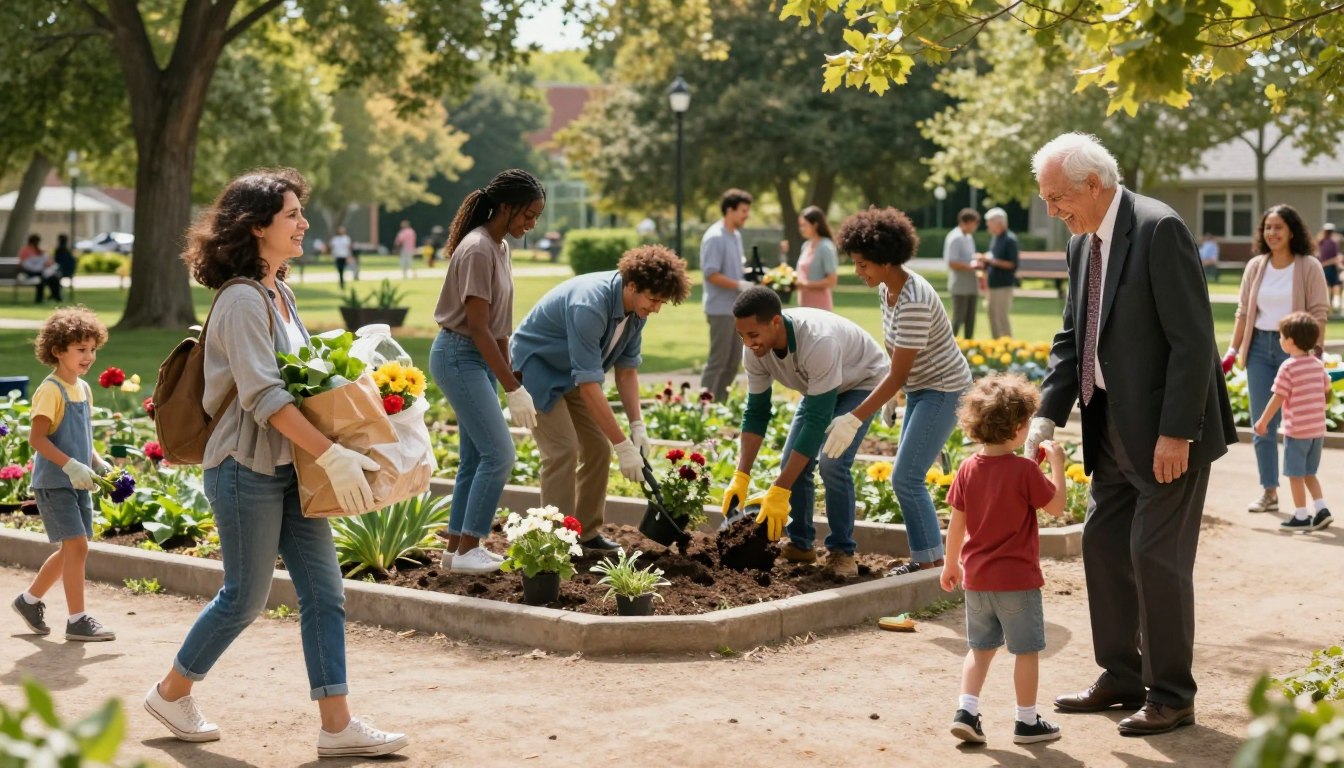
- Join community clean-up events as light physical activity that serves others
- Choose products from companies committed to environmental responsibility
| Self-Care Practice | Environmental Benefit | Health Impact |
|---|---|---|
| Nature walks | Reduced consumption and plastic waste | Lower stress, improved mental clarity |
| Home gardening | Biodiversity support and local food production | Active recovery and nutrient-dense food |
| Reusable products | Decreased landfill burden | Better hydration and resource awareness |
| Community service | Cleaner neighborhoods and habitats | Enhanced sense of purpose and connection |
| Whole food choices | Support for sustainable agriculture | Improved nutrition for recovery and vitality |
Embracing self-care connects us to nature. We’re part of a web of life. Resting and recovering gives us the energy to make conscious choices. These choices heal our communities and the planet. The “Be Fantastic” philosophy shows that wellness, community, and environmental care are all connected.
Bringing It All Together: Harmonizing Our Lives
We’ve looked at many practices like quality sleep, mindful eating, and meditation. Now, let’s combine them into a holistic health approach. It’s not about being perfect in every area. It’s about focusing on what’s important and creating sustainable routines.
When we add self-compassion to these practices, we unlock our true vitality. This makes our lives more balanced and fulfilling.
Creating a Balanced Lifestyle
Creating a balanced lifestyle starts with self-reflection. We need to understand our needs, stress levels, and how we recover. Keeping a simple log helps us track patterns.
By noting our energy, sleep, and feelings after activities, we find what works for us. Everyone’s body is different, so what works for one might not work for another.
Here are practical steps for integration:
- Conduct a weekly review on Sunday to plan rest days and social activities
- Keep a basic tracking log of sleep, nutrition, and energy levels
- Build flexibility into your schedule—if you wake exhausted, swap intense workouts for gentle movement
- Remember that rest isn’t optional; it’s as important as training itself
The key insight is this: we rest not to do more, but to be more. Resting makes us more present, compassionate, and connected. It’s about honoring our recovery needs with kindness.
The Role of Gratitude in Our Journey
Gratitude changes how we see rest and recovery. Instead of seeing it as a must, we see it as a privilege. Studies show that gratitude reduces stress, improves sleep, and boosts well-being.
Try these simple gratitude practices:
- Write three things you’re grateful for each evening, including appreciation for your body’s ability to rest
- Express thanks to people who support your well-being journey
- Pause during rest periods to feel genuine gratitude for the chance to recharge
Gratitude and self-compassion change our perspective. We see recovery as strength, not weakness. This shift makes us want to help others, creating harmony in our community.
Kindness Challenge: A Small Act for Change
We’ve learned how rest and recovery boost our well-being. Now, let’s share this gift with others. Small actions add up to big changes. Just like rest days help our health, kindness makes a big impact.
We invite you to join us in spreading kindness and self-compassion. Let’s make a difference together.
How to Spread Kindness Today
Here’s a simple yet powerful mission. Set a timer for 20 minutes. Find a cozy spot and relax. You can nap, breathe deeply, or enjoy nature.
While resting, practice self-compassion. If guilt pops up, remind yourself that rest is essential and loving.
After resting, reach out to someone who seems tired or stressed. Tell them you see their hard work. Encourage them to rest too. Share what you learned and invite them to join you in active recovery activities.
Encouraging Others to Join Our Mission
Show others how rest and activity balance works for you. Share your experiences without pushing. Talk about how rest boosts your energy and mood.
Invite friends to join you in rest-focused activities. Celebrate rest days as much as achievements. Say, “I’m committing to one rest day a week. Want to join me?”
Remember, caring for ourselves helps us care for others and the planet. Rest is not selfish—it’s smart. By taking this challenge, you’re not just improving your life. You’re showing others the value of well-being.
Are you ready to Be Fantastic? Start your 20-minute rest period now. Silence your phone and relax. Your body, mind, and community will thank you. Share your story with #BeFantasticRest. We can’t wait to see how kindness changes your day and the lives of those around you.