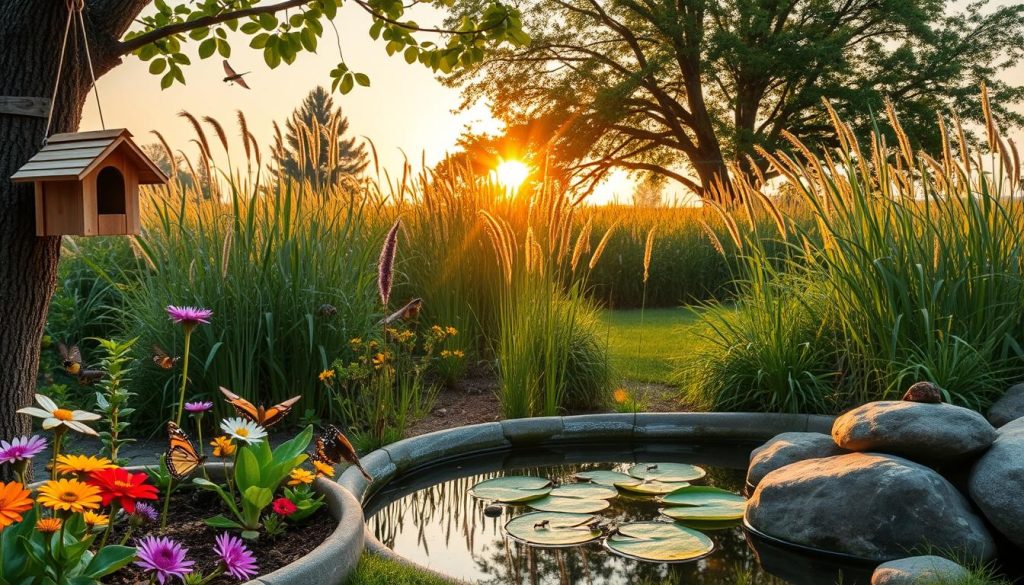
Do you ever feel overwhelmed by the state of our planet? You’re not alone. Many people care deeply about the environment but feel powerless. The good news is that transformation starts right where you are. Your backyard, no matter how small, holds incredible power to heal the earth and support local wildlife.
When you look at your outdoor space, you might see just grass and a few plants. But nature sees an opportunity. As the Canadian Wildlife Federation reports, gardens of any size can help wildlife thrive. Whether you have acres of land or a tiny patio, your backyard projects can become a vital refuge for struggling animal populations.
The truth is powerful: one person absolutely can make a difference for wildlife. You don’t need to be an expert. You don’t need a huge budget. You just need the willingness to take action right outside your door. When your neighbors see what you’re doing, they get inspired. When families work together to transform their yards, they create wildlife corridors that support biodiversity across entire communities.
Healing the earth happens through backyard projects that feel manageable and rewarding. This article walks you through practical steps to attract pollinators, support birds, create water sources, and build healthy soil. You’ll learn how to turn your little patch of earth into a thriving ecosystem. You’ll discover that caring for local wildlife teaches your children about nature, strengthens your neighborhood bonds, and contributes to global environmental health.
Ready to begin your journey toward healing the earth? The projects ahead are simple, achievable, and deeply meaningful. Let’s get started.
Key Takeaways
- Your backyard, regardless of size, can become a wildlife haven that supports local species.
- Simple backyard projects create stepping stones that connect habitats across neighborhoods.
- You don’t need expertise, acres of land, or large budgets to make a meaningful environmental impact.
- When neighbors collectively transform their yards, they create powerful wildlife corridors and inspire community action.
- Healing the earth starts with small, actionable steps taken right outside your door.
- Caring for local wildlife teaches valuable lessons and strengthens community bonds.
- Your individual actions contribute to broader environmental health and planetary restoration.
Why Backyard Conservation Matters
Your backyard is more than a place to relax. It’s a living space where nature thrives. By supporting local wildlife and creating habitats, you join a bigger effort. Small yards across neighborhoods help animals move safely between larger natural areas.
Many people don’t know their backyard is key to ecosystems. You don’t need acres or special skills to help. Starting where you live brings environmental benefits and personal rewards.
The Role of Local Wildlife in Ecosystems
Every creature in your yard has a purpose. Native bees pollinate one-third of our food. Birds control pests without chemicals. Small mammals aerate soil and scatter seeds.
Supporting local wildlife strengthens the web of life. These animals depend on each other and plants. Remove one part, and the whole system weakens. Your backyard becomes a working piece of nature.
- Bees pollinate crops we depend on for food
- Birds eat thousands of insects that damage plants
- Earthworms improve soil quality for plants
- Butterflies indicate ecosystem health
- Beetles control pest species naturally
Benefits of Biodiversity at Home
Supporting local wildlife brings rewards you’ll notice and feel. Watching hummingbirds visit flowers you planted brings joy. Knowing your yard protects species facing challenges fills you with purpose. Children learn about nature without screens or textbooks.
The mental health benefits are real. Connecting with living things reduces stress and builds peace. Your family gains education and wonder right outside the door. Wildlife habitat creation transforms ordinary yards into vibrant spaces full of life and movement.
| Personal Benefit | How You Experience It | Long-Term Impact |
|---|---|---|
| Visual Beauty | Colorful birds and butterflies visit daily | Increased property enjoyment year-round |
| Educational Value | Children observe animal behavior and life cycles | Deeper environmental awareness develops |
| Mental Health | Peaceful moments watching nature reduce stress | Better overall wellness and happiness |
| Community Connection | Neighbors see your effort and join in | Neighborhood-wide habitat improvement grows |
| Environmental Pride | Knowledge that you’re helping struggling species | Sense of meaningful contribution to Earth |
One family transformed their suburban lawn and now regularly spots species they’d never seen before. This happens because wildlife habitat creation works. When you provide food, water, and shelter, animals come. Your backyard becomes a refuge and a bridge connecting isolated natural spaces.
Supporting local wildlife is both environmental stewardship and a gift to yourself. Every plant you choose, every shelter you build, and every chemical you skip sends ripples outward. Your actions prove that healing the Earth starts at home.
Getting Started: Simple Steps for Your Backyard
Starting a wildlife-friendly backyard is easy and doesn’t cost much. You can make any space a home for local animals, big or small. Just observe and plan what your area needs.
Your backyard is full of possibilities. Even a small spot can help insects, birds, and pollinators. Start with one project and grow from there.
Assessing Your Outdoor Space
First, take a good look at your yard. Sketch a simple map in a notebook. It doesn’t have to be perfect, just a rough idea.
Here’s what to notice:
- How much sunlight does each area get? Mark where it’s sunny in the morning and shady in the afternoon
- Where does water collect during rain?
- What’s your soil like? Is it sandy, clay-heavy, or rich?
- Is your yard wet or dry?
- What’s planted or bare?
Watch for temperature changes, wind, and plants. These things help you choose the best eco-friendly activities for your area.
Identifying Local Wildlife Needs
Different places have different animals with different needs. Learning about your local wildlife is key. Use these resources to get started:
| Resource Type | What You’ll Learn | How to Access |
|---|---|---|
| State Wildlife Agency | Native species lists and habitat requirements | Search “[Your State] Wildlife Department” |
| Native Plant Nurseries | Plants that support local insects and birds | Visit local nurseries or search online directories |
| Audubon Society | Bird species in your area and their needs | Visit audubon.org and use location tools |
| Local Conservation Districts | Free advice specific to your region | Search “[Your County] Conservation District” |
| Regional Wildlife Apps | Field guides and identification help | Download Merlin Bird ID or iNaturalist |
Talk to gardening neighbors and visit native plant nurseries. These chats help you know which pollinators, birds, and plants are best for your area. With this info, you can design activities that really help.
“Your garden doesn’t need to be large to make a difference. Every space, no matter how small, can welcome wildlife and support nature.”
Now that you’ve assessed your space and learned about local wildlife, you’re set. Choose projects that fit your yard and the needs of your community’s animals.
Create a Pollinator Garden
Starting a pollinator garden is a rewarding project. It helps bees, butterflies, and hummingbirds, which are key to our food. Even a small garden can attract many pollinators and improve your yard.
Choosing Native Plants for Pollinators
Native plants are vital for pollinators. They offer the right food and shelter for these creatures. Visit a local nursery to find the best plants for your area.
Choose plants that bloom at different times. This keeps pollinators fed all year. Also, pick plants of various heights for beauty and habitat.
Here are some examples for different regions:
- Midwest: Purple coneflower and black-eyed Susan attract butterflies and bees
- West Coast: California poppy and sage create a stunning, pollinator-friendly landscape
- Nationwide: Milkweed varieties support monarch butterflies during migration
Plant in clusters for better pollinator visits. This means more food for them in your garden.
Maintenance Tips for a Thriving Garden
Native plants need little care once they grow. Water them deeply but not too often. Avoid using pesticides to protect the pollinators.
Leave seed heads for birds to eat in winter. This also helps beneficial insects. Cut back dead stems in spring, not fall, to protect insects.
Creating a pollinator garden helps our food and wild plants. It’s a small action with big benefits for the environment.
Set Up a Bird-Friendly Environment
Birds add joy and natural pest control to your backyard. You don’t need fancy equipment or expert knowledge to welcome them. Whether you live in a cold or warm area, you can make your yard bird-friendly today.
Local wildlife support means providing food, shelter, and safe places for birds. Birds travel long distances, connecting ecosystems and controlling insects. Your backyard becomes part of a larger habitat when you offer the right conditions.
Let’s explore ways to welcome birds to your space.
Selecting the Right Bird Feeders and Seed
The right feeder and seed attract different bird species. Different feeders appeal to various birds.
| Feeder Type | Best For | Recommended Seed |
|---|---|---|
| Tube Feeders | Small songbirds, finches, chickadees | Nyjer seed, small sunflower seeds |
| Platform Feeders | Larger birds, ground-feeders, jays | Black oil sunflower seeds, cracked corn |
| Suet Feeders | Woodpeckers, nuthatches, wrens | Suet cakes with nuts and dried fruit |
| Nectar Feeders | Hummingbirds, orioles | Sugar water solution (1 part sugar, 4 parts water) |
Black oil sunflower seeds attract many birds and are nutritious. Avoid cheap seed mixes with filler grains. Quality is key for supporting local wildlife.
Place feeders near windows for viewing but use decals to prevent bird collisions. Keep feeders away from cat hiding spots. Clean feeders every two weeks to prevent disease.
Best Practices for Birdhouses
Cavity-nesting birds like chickadees and bluebirds need shelter. Birdhouses don’t have to be expensive or complicated.
- Entrance hole size matters: 1.25 inches for chickadees, 1.5 inches for bluebirds
- Mount boxes away from prevailing winds
- Install at appropriate heights (5-15 feet depending on species)
- Include ventilation and drainage holes for bird health
- Face houses away from direct afternoon sun
- Clean out old nesting material each fall
Simple wooden boxes are great for local wildlife support. You don’t need fancy designs. Homeowners with three or four birdhouses often see families move in within weeks.
Birds may travel hundreds of miles, connecting ecosystems. Your backyard becomes a vital rest stop on their journey.
Construct a Small Pond or Water Feature
Water brings life to your backyard in ways you might not expect. Adding a water feature turns your outdoor space into a wildlife sanctuary. It’s perfect for any size of property, supporting local ecosystems and saving resources.
Benefits of Water for Local Wildlife
Animals need water to survive. Birds drink and bathe in it, even in hot months. Frogs and salamanders use it to lay eggs and grow.
Bees and butterflies drink from shallow edges. Dragonflies hunt mosquitoes, controlling pests naturally. Water features are oases for wildlife, vital in urban areas where natural water is scarce.
During dry seasons, a small pond or dish can be a lifesaver. It provides food and water for animals.
Healthy landscapes capture rainwater, reducing pollution in waterways. This protects entire ecosystems downstream. Supporting these initiatives is good for the planet.
| Water Feature Type | Space Required | Wildlife Attracted | Maintenance Level |
|---|---|---|---|
| Shallow Dish with Stones | Apartment or Patio | Insects, Small Birds | Low |
| Half-Barrel Water Garden | Small Yard | Frogs, Dragonflies, Birds | Low |
| Natural Backyard Pond | Medium Yard | Frogs, Fish, Dragonflies, Birds | Low |
Easy Ways to Build a Natural Pond
Building a water feature is easy and doesn’t need expensive tools or skills. You can start simple and add more features later.
For apartment dwellers: Use a shallow dish on your balcony or patio. Add stones or pebbles for insects to climb out. Change the water every few days.
For small yards: A half-barrel or large container works well. Line it with a pond liner from a garden center. Add plants like water lilies for sunlight. These containers attract frogs and dragonflies quickly.
For larger spaces: Dig a shallow depression, three to four feet wide. Use a rubber pond liner from a hardware store. Edge it with rocks and plants. Natural ponds balance without pumps or filters, thanks to plants.
- Choose a location that receives partial sunlight
- Include both shallow and deeper sections
- Add native aquatic plants for oxygen and food sources
- Place rocks around the edge for animal access
- If children play nearby, add fencing or covers for safety
Water features capture rainwater and reduce pollution. Your pond or dish becomes a peaceful retreat for wildlife. Start with what fits your space, and watch your backyard ecosystem grow.
Promote Soil Health with Composting
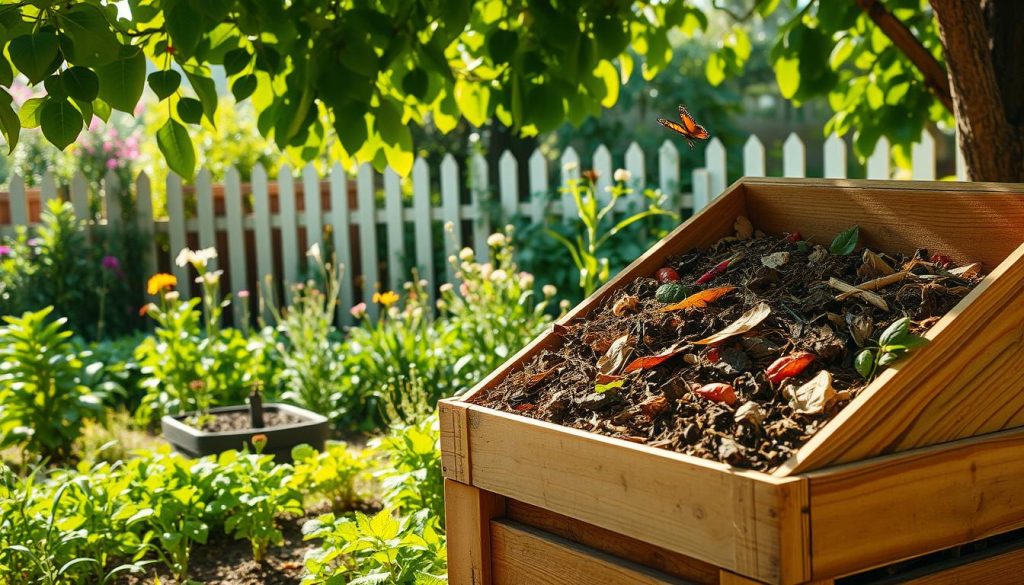
Composting turns kitchen scraps and yard waste into rich soil. It’s a key part of gardening the right way. By composting, you connect what you grow with what feeds your garden. Healthy soil is the base of your backyard wildlife habitat.
Soil full of life acts like nature’s recycling. Tiny creatures break down waste, cycle nutrients, and help plants grow. Rich soil also holds water and traps carbon. Composting fixes damage from old farming and landscaping.
The Importance of Healthy Soil for Life
Your backyard soil is teeming with life. Billions of organisms live in every handful. They make air and water paths, release nutrients, and help plants grow.
Bad soil can’t support the gardens you dream of. Composting brings it back to life. Using grass clippings and leaves as mulch enriches the soil without expensive fertilizers. This fits perfectly with gardening that works with nature.
How to Start a Simple Compost Bin
Starting compost is easy. Pick a spot with some shade and good drainage. You can use a simple pile, a bin, or a tumbler.
Build your compost like a lasagna. Mix “greens” (kitchen scraps, grass clippings) with “browns” (dry leaves, cardboard). Keep it moist and turn it now and then to speed up the process.
| What to Compost | What to Avoid |
|---|---|
| Fruit and vegetable scraps | Meat and fish |
| Coffee grounds and tea bags | Dairy products |
| Eggshells | Oils and fats |
| Grass clippings and leaves | Pet waste |
| Cardboard and paper | Diseased plants |
Don’t worry about mistakes. Nature is forgiving. Your compost will work even if you make errors. In months to a year, you’ll have compost ready to feed your garden.
Composting is a big step towards caring for the environment in your backyard. Every layer you add helps close the nutrient cycle and shows your commitment to gardening the right way.
Provide Shelter for Beneficial Insects
Many people think all insects are pests. But, the truth is about 97% of insects help plants or don’t harm them. Creating spaces for beneficial insects turns your yard into a thriving ecosystem. These insects eat pests, pollinate flowers, and improve soil health.
Building simple shelters for insects is easy. It supports local wildlife and cuts down on chemical use. This helps your garden grow better.
Beneficial insects need safe places to rest, breed, and survive cold winters. Bee hotels and bug hotels give them what they need. Your backyard becomes a refuge for nature’s helpers.
Installing Bee Hotels and Bug Hotels
Native bees nest in hollow spaces, not hives. Mason bees and other native species are even more effective pollinators than honeybees. They rarely sting and work hard in your garden. Building a bee hotel takes just a few hours and materials you might already have at home.
- Bundle hollow stems like bamboo or reeds and cut them to 6-8 inches long
- Drill holes with varying diameters (3/16 to 3/8 inches) into untreated wood blocks
- Mount structures in sunny spots facing southeast
- Position them 3-5 feet off the ground for safety
- Keep them away from pesticides and harsh weather
Bug hotels are different from bee hotels. They stack natural materials for cozy overwintering spaces. Building one is a fun family project that teaches children about nature.
Materials for Bug Hotel Construction:
- Pine cones and bark pieces
- Hollow stems and dry sticks
- Leaves and straw
- A wooden frame or cardboard box
- A weatherproof roof to protect from rain
The Impact of Insects on Plant Health
Beneficial insects are nature’s pest control system. They work 24/7 to keep your garden balanced and healthy. Understanding their roles helps you see why wildlife habitat creation is so important.
| Beneficial Insect | What They Eat | Garden Benefit |
|---|---|---|
| Ladybugs | Aphids and small pests | Protects tender plants and vegetables |
| Lacewings | Aphids and mites | Reduces damage to crops and flowers |
| Ground Beetles | Slugs, snails, and grubs | Improves soil health and plant roots |
| Native Bees | Pollen and nectar | Pollinate vegetables, fruits, and flowers |
| Predatory Wasps | Caterpillars and other larvae | Controls pest populations naturally |
One gardener noticed big changes after installing shelter for beneficial insects. Without pesticides, her garden filled with helpful creatures. Pest problems dropped, pollinator numbers climbed, and her harvests grew bigger. This is wildlife habitat creation in action.
Supporting beneficial insects reduces your reliance on chemicals. It creates balance in your yard. These tiny creatures are part of the web of life that sustains our world. By providing them shelter, you help ecological healing that benefits everyone.
Reduce Lawn Space for Wildlife Habitat
Traditional lawns cover millions of acres in the U.S., but they offer little to wildlife. They need constant mowing, watering, and chemicals. Green living offers a better way.
By changing your lawn, you can help local ecosystems and save time and water. You don’t have to change everything at once. Start small and see the benefits.
Alternatives to Traditional Lawn
Lawns have uses like preventing erosion and filtering water. But they need a lot of care. Think about replacing parts of your lawn with low-maintenance plants.
Native sedges look like grass but don’t need mowing. Clover fixes nitrogen and feeds bees. Buffalo grass and Pennsylvania sedge are great for different areas.
These plants are part of green living. They need less care, water, and chemicals. Moss gardens and native plants attract butterflies and insects.
- Start with one small section of your yard
- Choose plants suited to your climate and soil conditions
- Combine different groundcovers for visual interest
- Keep a small lawn area for recreation if desired
- Mow less frequently and let grass grow taller
- Leave grass dormant during dry spells—it will recover when rain returns
Creating Wildflower Zones
Turning lawn areas into wildflower meadows brings life to your yard. Wildflower zones attract butterflies, bees, and birds. This change is good for the earth and looks beautiful.
Here’s how to make your wildflower zone:
- Choose a section of lawn—even a small corner works perfectly
- Remove existing grass by smothering it with cardboard and mulch, or rent a sod cutter
- Prepare the soil lightly (wildflowers prefer lean soil without added fertilizer)
- Scatter native wildflower seeds appropriate for your region in fall or early spring
- Keep the area moist until seedlings become established
- Mow just once or twice yearly to prevent woody plants from taking over
| Wildflower Zone Benefit | Impact on Your Yard | Environmental Advantage |
|---|---|---|
| Pollinator Support | More butterflies and bees visiting | Supports food web and plant reproduction |
| Reduced Maintenance | Less mowing and chemical use | Lowers carbon footprint |
| Water Conservation | Minimal watering needed after establishment | Preserves freshwater resources |
| Biodiversity Increase | More insects and birds visiting | Creates habitat corridors for wildlife |
| Soil Health | Deeper roots and improved structure | Better carbon sequestration |
Native wildflower zones turn your yard into a thriving ecosystem. Monarch butterflies and goldfinches visit when wildflowers bloom. Your neighbors might follow your lead, creating a biodiversity network.
Reducing lawn space is a key green living practice. Wildflowers use much less water than lawns. This change benefits wildlife and makes your yard beautiful.
Engage with Your Community
Sharing your backyard wildlife project with neighbors makes it even more powerful. Working together strengthens habitats and builds community bonds. When many yards become wildlife-friendly, they create safe paths for animals.
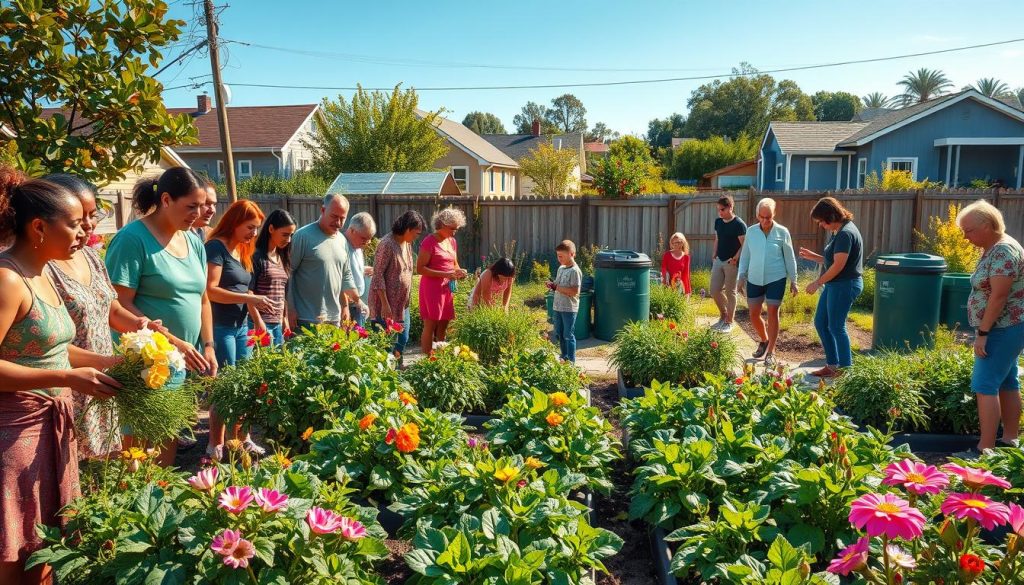
Working together on wildlife protection has a bigger impact. Conservation groups offer support and guidance for your projects. Getting to know your neighbors, both human and animal, deepens our respect for nature.
Organizing Neighborhood Clean-Up Days
Start by talking with neighbors who love nature. Choose a simple project like cleaning a park or stream. Pick a date and spread the word through social media and door hangers.
These clean-up days help wildlife and restore nature. They inspire people to care for the environment. Provide gloves and trash bags. Celebrate with a gathering to build community and support conservation.
- Talk with interested neighbors first
- Select an easy initial project
- Set a date and advertise locally
- Supply tools and materials
- Host a celebration afterward
Sharing Your Backyard Experience with Others
Invite neighbors for a garden tour. Share photos and tips on social media. Help elderly neighbors with bird feeders.
Organize seed swaps for native plants. Present at schools or libraries about backyard wildlife. Join projects like bird counts or pollinator surveys.
When neighbors work together, they create bigger habitats. This helps more species. Sharing knowledge inspires others and heals our ecosystems, strengthening our bond with nature.
- Host backyard garden tours
- Share tips on neighborhood social media
- Assist neighbors with bird feeders
- Organize native plant seed swaps
- Present at schools and libraries
- Participate in citizen science projects
Take Action: Daily Habits for a Sustainable Future
Your backyard is just the start of a bigger journey. Every day, your choices shape the world. Green living goes beyond your garden and bird feeders. It’s about changing your daily life.
By adopting sustainable habits, you join a global effort. Your actions inspire others to make a difference too.
Across the United States, residential landscapes cover over 40 million acres. This area has huge environmental impact. Small changes in your backyard can lead to big changes at home and worldwide.
Small Actions to Reduce Your Carbon Footprint
Reducing your carbon footprint is easy with daily choices. These actions support your backyard wildlife projects:
- Capture rainwater in barrels for garden watering instead of using treated water
- Stop using chemical pesticides and fertilizers that harm beneficial insects
- Compost food scraps to keep waste out of landfills and reduce methane emissions
- Plant native species that thrive without extra irrigation once established
- Mow your lawn less often and at higher settings to save fuel and support grass biodiversity
- Leave leaf litter in garden beds for natural insect habitat and mulch
- Buy plants from local nurseries to reduce transportation emissions
- Share tools and equipment with neighbors to decrease overall consumption
These practices save time and money. Sweeping grass clippings and leaves off hard surfaces keeps nutrients out of waterways. Reducing chemical use protects your soil and local water quality. Each choice helps the ecosystem.
Encouraging Others to Join Your Efforts
Your enthusiasm is contagious when shared genuinely. Show others the joy of backyard conservation. Talk about the butterflies, birds, and satisfaction of creating something meaningful.
Here are ways to inspire friends and family:
- Give native plant seeds or bee hotels as gifts that spark new interests
- Volunteer with local conservation organizations and invite others along
- Support businesses and policies that prioritize environmental protection
- Share your successes in positive, welcoming ways
- Make sustainability feel achievable by highlighting its beauty and personal rewards
“Sustainable living is not about sacrifice—it’s about creating a life that aligns with your values and honors the earth that sustains us.”
Encouraging others comes from kindness, not judgment. You’re sharing something you love, making it easy for others to join in. Green living becomes enjoyable when it feels rewarding, not demanding.
Kindness Challenge: A Simple Act of Care
You’ve learned many ways to help wildlife in your backyard. Now it’s time to act. You can start today, no matter where you live or your budget. One person can make a big difference.
When we all work together, we create safe spaces for wildlife. Getting to know the creatures in your yard builds respect and love for nature.
Ideas for Small Acts That Make a Difference
Choose something you’ll actually do. Fill a shallow dish with water for birds and insects. Plant one native plant in a pot or garden bed.
Stop using pesticides today. Leave a section of your yard unmowed this season. Make a bee hotel from hollow stems bundled together.
Sign up for a local conservation group’s email list. Start composting your kitchen scraps. Pull out one invasive plant from your space. Put up a bird feeder.
Spend just ten minutes watching wildlife in your yard. Write down what you see. Every action counts. Starting is more important than being perfect.
Small actions can be very powerful. A single native plant can feed dozens of insects. One bird feeder brings joy and life to your window view.
A shallow water dish saves animals during hot days. These small steps connect you to a larger movement of people caring for our planet. Your effort is part of something important.
Committing to One Habit for Wildlife Today
Don’t wait for tomorrow. Choose one action now and do it today. Pick the project that excited you the most.
A person in Oregon might scatter native wildflower seeds in a bare corner of their yard. Six months later, that corner blooms with butterflies and becomes their favorite morning coffee spot. You can do this too.
This single action is your first step on a journey of healing. You heal the earth. You help wildlife flourish. You grow your own sense of purpose and connection to nature.
This is what being fantastic means. Today’s Kindness Challenge is clear and simple. Choose one action from this article. Complete it within the next hour. Take a photo of what you did.
Share it with one friend or post it online using #HealingTheEarth. Invite them to join you in earth-friendly initiatives. Your small act of care sends ripples far beyond your backyard. You connect with people around the world who believe in healing our shared home.
You are not alone in this work. Your actions matter deeply. By caring for the earth around you, you join countless others in the beautiful work of bringing harmony between people and nature.