Ever wake up feeling tired and achy? Your mind feels foggy. Life gets busy, and we forget to take care of ourselves. We promise to start tomorrow, but we should start now.
Personal wellness isn’t about changing who you are overnight. It’s about making small, everyday choices that add up. When we take care of ourselves, we feel stronger and clearer. We become better for our loved ones and communities.
Studies from the National Institutes of Health show that small habits can make a big difference. The American Heart Association’s Life’s Essential 8 highlights how our health affects every area of our lives. Research from the NHS shows that connecting, moving, learning, giving back, and being mindful improve our daily mood.
By focusing on wellness, we inspire those around us. Our positive choices spread joy and energy. This isn’t selfish; it’s a generous act for the world.
Next, we’ll dive into practical tips for your everyday life. You’ll learn about morning routines, enjoyable exercise, and how to nourish your body. Small, consistent actions are all we need to start.
Key Takeaways
- Personal wellness habits are achievable through small, daily choices
- Daily habits for deep personal wellness improve your physical health, mental clarity, and emotional strength
- When you care for yourself, you positively impact your family, neighbors, and community
- Evidence-based wellness approaches address multiple areas of health including nutrition, movement, relationships, and mindfulness
- Transformation begins today with consistent, intentional actions aligned with your values
- Your wellness journey contributes to broader global harmony and collective wellbeing
Embracing the “Be Fantastic” Philosophy
What does it mean to be fantastic in our everyday lives? It’s not about being perfect or doing something extraordinary. It’s about being our true selves every day. It’s about making choices that help us stay well, build strong relationships, and make the world a better place.
When we follow this philosophy, our choices have a big impact. They can change our families, workplaces, and communities for the better.
Imagine a teacher who starts their day by taking care of themselves. This teacher is more patient, clear, and caring with their students. This change makes the classroom a better place for everyone.
Understanding the Concept
Being fantastic means our wellness choices affect everyone around us. Our choices, like managing stress or eating well, shape our lives and the lives of those we meet. This idea shows we’re all connected. When we focus on our health, we help our communities and protect the planet.
We can be fantastic by:
- Keeping our bodies healthy through exercise and good food
- Building strong relationships by being real and caring
- Helping our environment and neighborhoods
- Being strong when things get tough
- Treating ourselves and others with kindness and respect
The Importance of Positivity
Positivity isn’t about ignoring problems or pretending everything is fine. It’s about facing challenges head-on and choosing to respond positively. Studies show that positive thinking boosts our sense of reward, purpose, and self-worth. It also helps us connect better with others and tackle obstacles more effectively.
When we choose to be positive, we see real benefits:
| Positive Wellness Practice | Mental Health Benefit | Community Impact |
|---|---|---|
| Gratitude and reflection | Increased sense of purpose | More generous interactions with others |
| Mindful movement and exercise | Reduced stress and anxiety | Greater patience in relationships |
| Connecting with others authentically | Improved self-worth | Stronger community bonds |
| Nourishing your body well | Better mood and energy | Modeling healthy choices for others |
Our mindset shapes our life experience. By choosing to be fantastic, we unlock our ability to make a difference. We invite you to join us in creating a world where personal wellness and harmony go together.
Building a Morning Routine That Sparks Joy
Your morning sets the tone for your day. A daily wellness routine gives you momentum. Mornings can be calm and energizing, not chaotic.
Choose activities that make you feel good and help you reach your goals. This way, you start your day on a positive note.
Rise and Shine: Energizing Activities
Morning movement wakes up your body and mind. Try these simple activities:
- Gentle stretching for five minutes to loosen tight muscles
- Opening windows to let fresh air and natural light into your space
- Dancing to your favorite song for an instant mood boost
- A short walk around your neighborhood to build awareness of your surroundings
Light movement boosts circulation and prepares your body for the day. Just five minutes can make a big difference in your energy.
The Power of Mindfulness
Mindfulness changes how we experience mornings. The NHS says it improves mental wellbeing and makes life more enjoyable.
Here are some mindfulness techniques:
- Take three conscious breaths before checking your phone
- Notice five things you can see and three things you can hear
- Spend two minutes with your coffee or tea without distractions
- Observe your thoughts without judgment as they arise
Mindfulness helps us handle daily challenges better. It brings us peace and resilience.
Eating the Right Breakfast
A good breakfast fuels your body and mind. The American Heart Association suggests whole foods like fruits, vegetables, lean protein, and healthy oils. Here are some breakfast ideas:
| Breakfast Option | Key Ingredients | Benefits |
|---|---|---|
| Overnight Oats | Rolled oats, berries, almonds, Greek yogurt | Sustained energy, fiber-rich, quick to prepare |
| Whole Grain Toast | Whole grain bread, avocado, eggs, tomato | Complete protein, healthy fats, full nutrition |
| Green Smoothie | Spinach, banana, almond butter, plant milk | Vitamins, minerals, portable, satisfying |
Quality food gives you the energy to be your best. Breakfast is more than fuel; it’s a wellness commitment.
Incorporating Movement into Your Day
Movement is a key part of a healthy lifestyle. It doesn’t need fancy equipment or a gym. Just getting our bodies moving is enough. The American Heart Association suggests 2.5 hours of moderate activity or 75 minutes of vigorous activity weekly. That’s just over 20 minutes a day, making it easy to reach.
Movement should be a celebration of what our bodies can do. The National Health Service says it boosts our mental health. It raises self-esteem and changes our brain chemistry for the better. We can start small and enjoy it.
Finding Activities You Love
Finding joy in movement is key to lasting habits. Not everyone loves running on treadmills. But there are many other activities that can bring us happiness:
- Dancing in our kitchens to favorite songs
- Gardening or yard work
- Swimming or water aerobics
- Cycling through our neighborhoods
- Martial arts or recreational sports
- Hiking on local trails
Choosing activities we love makes it easier to stick with them. The NHS says making movement enjoyable is better than forcing it. This way, we build lasting habits.
Short and Effective Workouts
Even busy schedules can’t stop us. Quick, powerful workouts are perfect for building habits:
- 10-minute high-intensity interval training sessions
- 15-minute yoga flows during breaks
- Bodyweight exercises at lunch time
- Quick stretching routines in the morning
These short sessions add up fast. Breaking our day into three 10-minute sessions meets our weekly goals. The National Institutes of Health say activity level is key to health.
Walking: The Underestimated Exercise
Walking is one of the simplest healthy habits. It requires no equipment or special skills. We can walk anywhere, anytime. Adding steps to our day is easy:
- Parking farther from store entrances
- Taking stairs instead of elevators
- Conducting walking meetings with colleagues
- Enjoying evening neighborhood strolls
- Walking to nearby destinations
Walking also connects us with our communities and nature. Embracing regular movement gives us the energy to help others and care for our planet.
Nourishing Your Body with Balanced Nutrition
We all want to feel energized and strong. Building good nutrition habits is key to fueling our best selves. Eating whole foods gives us the energy to tackle our day and connect with others. The American Heart Association says that eating fruits, vegetables, lean proteins, and healthy oils makes a big difference in how we feel.
Nutrition isn’t about cutting out foods or following hard rules. It’s about making simple, tasty swaps. When we eat real food, we feel better almost right away. We focus better, have more energy, and feel happier. Let’s look at easy ways to make nutrition a strong habit.
Whole Foods Make a Difference
Whole foods look like they do in nature. They’re full of nutrients our bodies need. Choosing brown rice over white, fresh fruit over juice, and grilled chicken over fried gives us real energy.
Shopping the grocery store’s perimeter is a smart move. That’s where you find produce, lean meats, and dairy. This helps us build lasting habits. Our bodies respond quickly, giving us more energy in the afternoon and less sluggishness. The NIH says diet plays a big role in our health and wellbeing.
Here are some easy whole food swaps:
- Whole grain bread instead of white bread
- Nuts and seeds instead of processed snacks
- Fresh vegetables instead of canned options high in sodium
- Olive oil for cooking instead of heavily refined oils
- Fresh berries instead of sugary desserts
Tips for Healthy Snacking
Smart snacking is a big win for our habits. Choosing the right foods between meals keeps our energy steady and blood sugar balanced. The American Heart Association says managing blood sugar is key to long-term health.
Healthy snacks are easy to make and really satisfying:
- Apple slices with almond butter
- Carrots and hummus
- Greek yogurt with fresh berries
- A small handful of mixed nuts
- Cheese and whole grain crackers
- Celery with peanut butter
These snacks taste great and keep us feeling full and focused. They help us avoid the energy crashes from sugary snacks.
Hydration: The Key to Wellness
Water is essential for our bodies. It helps with digestion, focus, and energy. Yet, many of us don’t drink enough.
Making hydration easy can make a big difference:
- Keep a reusable water bottle where you can see it
- Set phone reminders to drink water throughout the day
- Drink one glass upon waking to start your day strong
- Have water before each meal
- Infuse water with lemon, cucumber, or berries for flavor
“Water is the foundation of health. When we drink well, we feel the difference in everything we do.”
Good nutrition builds community, too. Sharing nourishing meals with family and neighbors strengthens bonds. Choosing whole foods supports sustainable systems and reflects the “Be Fantastic” philosophy—taking care of ourselves so we can show up fully for others.
Cultivating Positive Relationships
Building strong connections with those around us is a key self-improvement technique. Our relationships affect our mental health, sense of belonging, and overall wellness. The National Health Service says good relationships give us a sense of purpose and self-worth.
When we connect with others, we build a support system. This system strengthens our resilience and brings joy to our lives.
Life can get busy, but building relationships is simple. Small, consistent actions can create strong bonds that benefit everyone. Let’s look at ways to deepen our connections with others.
Connecting with Your Neighbors
Our neighbors are part of our community. Simple gestures can turn them into allies and friends. Start by waving during morning walks or introducing yourself with a smile.
Bring a small welcome gift to new neighbors to show you care.
Here are some ways to connect:
- Join neighborhood social media groups to stay connected and informed
- Organize casual gatherings like potlucks or cookie exchanges
- Create shared resources, such as a tool library where neighbors borrow equipment
- Attend local community events and bring a friend
These actions can create unexpected friendships and make our community safer. When neighbors know each other, they look out for one another.
The Impact of Kindness
Kindness has a ripple effect that touches everyone it reaches. When we do acts of kindness, our brains release oxytocin, making us feel good. The person receiving kindness feels valued, and the giver feels a sense of purpose.
Try these acts of kindness:
- Leave encouraging notes on neighbors’ doorsteps
- Offer genuine compliments regularly
- Help carry groceries or yard work supplies
- Share garden produce or baked goods
- Check on elderly neighbors during difficult weather
One person’s act of kindness, leaving flowers on doorsteps, sparked a wave of kindness in an entire building. This shows how kindness can improve our mental health and strengthen our neighborhoods.
Active Listening Skills
True connection requires genuine listening. In today’s world, distractions are everywhere. When we put our phones away and listen fully to someone, we tell them: you matter.
Good listening practices include:
- Put away all devices during conversations
- Ask follow-up questions about what someone shared
- Reflect back what you heard to confirm understanding
- Resist sharing your own story immediately
- Embrace comfortable silence
Active listening makes others feel heard and valued. This practice builds trust and deepens relationships. By listening fully, we create lasting bonds with family, friends, and colleagues.
Creating a Supportive Environment
Our homes greatly affect how we feel every day. They influence our stress, mood, and ability to practice wellness. By designing our spaces carefully, we create a base for mental clarity and emotional balance.
This personal sanctuary is the starting point for living our best lives. It helps us show up better for those around us.

Personal Space: A Sanctuary
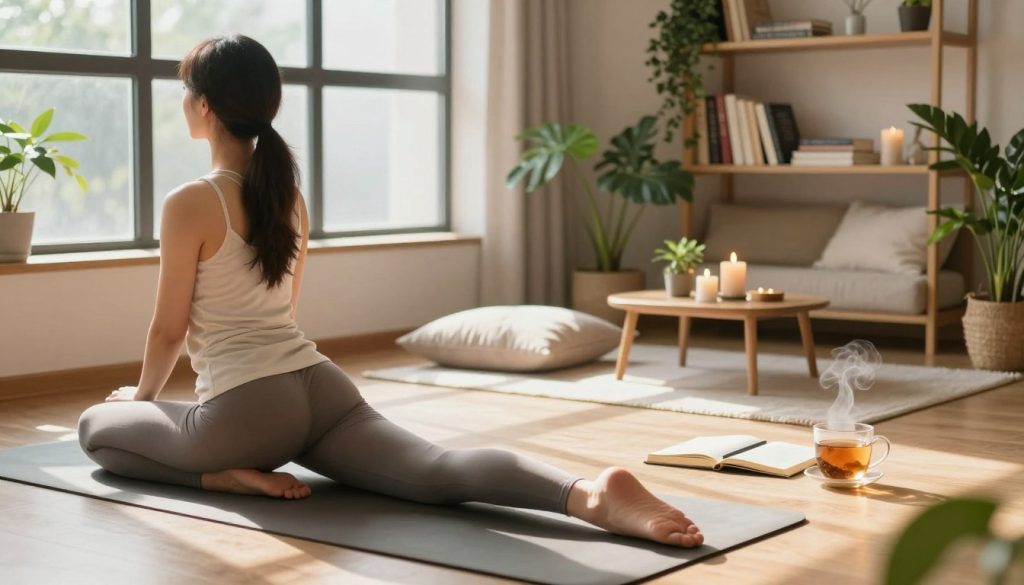
We don’t need a big space to create a wellness sanctuary. Even a small corner or a chair by a window works well. The goal is to find a spot where we can pause, breathe, and reconnect with ourselves.
Start by picking comfortable seating. Add soft lighting, like natural sunlight if possible. Include items that bring joy, like photos, artwork, or meaningful objects.
A small table nearby is great for holding tea, journals, or books. Having a dedicated space makes it easier to maintain wellness habits. When we have a specific place for self-care, we’re more likely to do it.
Decluttering for Mental Clarity
Cluttered spaces increase stress and cloud our thinking. Research shows that disorganized environments raise cortisol levels, our body’s stress hormone. We can achieve mental clarity without big changes.
Try these simple approaches:
- Use the “one-in-one-out” rule—bring in one item, remove one
- Spend 10 minutes daily tidying one small area
- Ask yourself: “Does this serve me right now?”
- Create simple filing systems for paperwork and bills
Start with your bedroom. Removing work items and screens improves sleep quality a lot. Wellness habits thrive in calm and organized spaces.
Planting Green: Nature in Your Home
Living plants bring life indoors and improve air quality. We recommend beginner-friendly varieties:
| Plant Type | Light Needs | Watering Schedule | Best For |
|---|---|---|---|
| Pothos | Low to bright, indirect | When soil feels dry | Hanging baskets or shelves |
| Snake Plant | Low to bright light | Every 2-3 weeks | Corner spaces |
| Spider Plant | Bright, indirect light | Once weekly | Near windows |
| ZZ Plant | Low to moderate light | Every 3-4 weeks | Offices and bedrooms |
Start with just one or two plants. Caring for living things gives us purpose and connects us to nature. This simple act supports wellness by reducing stress and boosting mood.
Our personal sanctuaries recharge us emotionally and mentally. When we feel restored, we engage more fully with family, community, and caring for our planet. Building a supportive environment isn’t about perfection—it’s about creating spaces that help us be fantastic.
Practicing Gratitude Daily
Gratitude is a powerful mindfulness practice that can change our lives. By focusing on what we appreciate, we see each day in a new light. Studies show that mindfulness, including gratitude, boosts our mental health and helps us face challenges.
By being present, we discover joy and connections we might miss. This practice doesn’t need special tools or skills. It’s about slowing down and noticing the small joys in our lives.
Simple Ways to Start a Gratitude Journal
Starting a gratitude practice is easy. Here are simple ways to begin:
- Keep a small notebook by your bed and write three things before sleep—even on difficult days, small moments count (warm coffee, a pet’s greeting, a stranger’s smile)
- Use a phone app with daily gratitude prompts to fit the practice into your existing routine
- Create a family gratitude jar where everyone adds notes throughout the week and reads them together on Sunday
- Take one photo daily of something that brought you joy and add a sentence about why it mattered
These practices help us see ourselves and the world in a new light. Starting small is key. Even writing down three things a week can make a big difference in how we feel.
Sharing Gratitude with Others
Sharing gratitude strengthens our relationships and creates a positive cycle. When we show appreciation, others feel valued and respond with kindness. Here are ways to share gratitude:
- Text a friend what you value about them
- Write physical thank-you notes—mail is special
- Tell family members at dinner what you appreciated about them that day
- Publicly acknowledge colleagues’ contributions in meetings
Showing kindness and gratitude makes us feel good and connects us with others. When we express thanks, we build communities where everyone feels seen.
Reflecting on Your Day
End each day with a five-minute reflection. Look back without judgment. Notice the good, the challenges, and what you learned or connected with. This practice connects us to others and inspires us to be positive.
Gratitude can be hard during tough times. But finding one small thing to appreciate can change our outlook and wellbeing.
Taking Time for Self-Care
Many think self-care is selfish. But it’s really essential for living well. When we care for ourselves, we’re better for our families and communities. We can’t give if we’re empty.
Think of self-care as maintenance. Our bodies and minds need regular care. The American Heart Association says we need seven to nine hours of sleep each night. This helps us heal, think better, and stay healthy.
Exploring Different Self-Care Techniques
Self-care means different things to different people. What works for one might not work for another. It’s good to try different things to find what works best for you.
- Physical self-care: Massage, warm baths, skincare routines, stretching, or gentle yoga
- Mental self-care: Reading, solving puzzles, learning new skills, or limiting news consumption
- Emotional self-care: Journaling, therapy sessions, setting healthy boundaries, or allowing ourselves to feel our feelings
- Social self-care: Coffee dates with friends, joining clubs, or saying no to draining obligations
- Spiritual self-care: Meditation, time in nature, religious practices, or quiet reflection
Research shows that learning new things, staying active, and connecting with others boost wellbeing. What restores one person might be different for another. The goal is to find what truly renews your spirit.
Scheduling Regular “Me Time”
We need ways to make self-care fit into our busy lives. Treating self-care time like any other appointment works well. Start with just fifteen minutes a day to see the difference.
Here are some tips:
- Wake fifteen minutes earlier for quiet time
- Turn off notifications during certain hours
- Trade childcare with other parents for guilt-free time
- Communicate your needs clearly to family members
- Move bedtime earlier instead of sacrificing sleep
Many feel guilty about self-care. But it’s not selfish. Resting and caring for ourselves makes us more patient and present. This improves our relationships and community involvement.
The Benefits of Disconnecting
Digital devices can be exhausting. Constantly being connected drains our mental energy. Taking breaks from devices is a powerful self-care practice.
| Disconnection Strategy | Time Commitment | Key Benefits |
|---|---|---|
| Phone-free dinner hours | 1-2 hours daily | Deeper conversations, improved digestion, stronger family bonds |
| Social media breaks | 1-3 days weekly | Reduced anxiety, better focus, clearer thinking |
| Device-free bedrooms | Overnight | Improved sleep quality, less nighttime disruption, better rest |
| Weekend digital sabbath | 4-8 hours weekly | Mental clarity, renewed creativity, increased presence |
Embracing self-care, like disconnecting, boosts our overall wellness. A rested, emotionally balanced person makes better choices and treats others with kindness. Self-care is not selfish—it’s the key to being our best selves and making a difference in the world.
Supporting Your Community and Planet
Embracing holistic wellness tips can change us in amazing ways. Our well-being is linked to our community’s and planet’s health. The “Be Fantastic” philosophy shows us that caring for others and the environment makes us better.
Research from the NHS shows that helping others boosts our feelings and sense of purpose. It strengthens our bonds with those around us.
We can make a big difference with small actions. Let’s find ways to help our community and planet while improving our own well-being.
Volunteering Locally
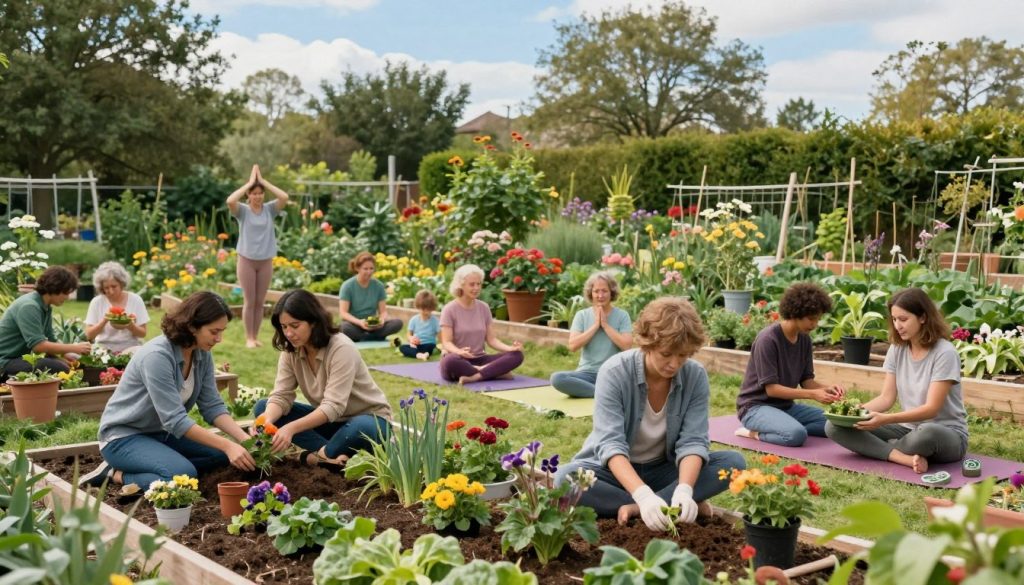
Volunteering changes both the giver and receiver. There are many ways to help, based on what you like and when you’re free:
- Tutoring students at local schools
- Serving meals at community shelters
- Fostering rescue animals in need
- Joining neighborhood garden projects
- Participating in community cleanups
- Visiting residents at nursing homes
- Offering professional skills without payment
Even a few hours a month at a food bank can make a big difference. Volunteers feel gratitude, make real friends, and find purpose. Helping others while improving ourselves is the essence of holistic wellness.
Eco-Friendly Daily Habits
We can protect the planet with simple choices:
- Use reusable bags, bottles, and containers
- Compost food scraps
- Choose products with minimal packaging
- Buy secondhand when possible
- Reduce meat consumption
- Switch to energy-efficient lighting
- Adjust thermostats mindfully
- Walk or bike for short trips
- Support local farmers markets
These habits help our planet and can save us money and improve our health. Starting with one change, like reusable bags, makes it easier to adopt more.
Encouraging Sustainability in Your Neighborhood
We can make a big difference by working together:
- Start neighborhood composting programs
- Organize tool and toy sharing systems
- Create “buy nothing” groups
- Plan community garden spaces together
- Advocate for bike lanes and public transit
Communities that go green have stronger bonds, more outdoor fun, and a shared goal. These tips show us that caring for ourselves, our community, and the planet is all connected. Together, we can create a fantastic future.
Your Kindness Challenge for Today
We’ve covered many important topics in this article. We’ve talked about morning routines, building strong relationships, and caring for our bodies and planet. The key is to start small and build up over time.
When we take care of ourselves first, we feel more energized and patient. This positivity spreads to those around us. Our families, coworkers, and communities all benefit from our well-being.
Small Actions, Big Impact
Studies from the NHS show that small acts of kindness boost our mental health. These actions make us feel good and connected. Saying thank you, asking how someone is doing, or helping out can make a big difference.
Today, we challenge you to apply what you’ve learned. Take a 15-minute walk and say hello to three people. Then, text someone you appreciate and tell them why. Lastly, use a reusable bag for your next shopping trip. These actions can have a big impact.
These choices show what it means to be fantastic. It’s about showing up with care and intention every day. One person’s commitment can inspire their family, friends, and coworkers. You could be that person.
We all have the power to be our best selves. This helps create a kinder and more connected world. Your wellness is important, not just for you, but for everyone you touch. Start today and be fantastic.