Have you ever thought about where your trash goes? Most of us don’t. We throw away packaging, old clothes, and leftovers without thinking. The truth is, every piece of trash counts. Each choice we make has a big impact.
Americans throw away about 4.9 pounds of waste every day. That’s 292.4 million tons a year. These numbers seem huge, but they show a big truth. If we all change our ways, we can make a huge difference. Waste is expected to grow from 2.1 billion tonnes in 2023 to 3.8 billion tonnes by 2050. This affects not just the environment but also our health worldwide.
The good news is, you don’t have to be perfect. A zero waste lifestyle isn’t about fitting all your trash into a tiny jar. It’s about using less to help the planet. It’s about making choices that reflect your values. When you live sustainably, you help not just yourself but also others and future generations.
This journey begins with a change in how you see waste. You start to think about what you buy and need. You find new ways to use things. These small steps lead to big changes. It’s the progress that counts, not being perfect. Every choice you make shows the kind of world you want to live in.
Key Takeaways
- Americans produce nearly 5 pounds of waste per person daily, but individual actions create powerful collective change
- A zero waste lifestyle focuses on progress and thoughtful choices, not achieving perfection
- Consuming less to care more for the planet protects our communities and future generations
- Sustainable living practices reduce pollution that crosses borders and affects global health
- Small daily choices multiply into meaningful environmental and personal transformation
- This mindset connects individual wellness with planetary wellness through conscious consumption
Understanding the Zero-Waste Philosophy
The zero waste lifestyle is a big change in how we view our purchases. It’s not about being perfect. It’s about making smart choices in our current world.
Most things we buy follow a linear path: made, used once, then thrown away. Zero waste challenges this pattern.
Our economy is based on taking, making, and discarding. Moving to a circular economy is key. Your zero-waste journey is about doing your best with what you have now.
What Does Zero-Waste Mean?
Zero-waste is more than just the three Rs: reduce, reuse, and recycle. It includes six more principles for living sustainably:
- Refuse – Say no to things you don’t need
- Reclaim – Find new uses for things you already have
- Revitalize – Make your products last longer
- Refurbish – Fix things instead of buying new
- Rethink – Think twice about what you buy
- Redesign – Support brands that make better products
Embracing sustainable living isn’t about having no trash. It’s about being mindful of where things come from and where they go. Every choice is a chance to make a difference.
The Benefits of Going Zero-Waste
Living zero waste has many benefits, not just for the planet. The average family throws away over $640 a year on food alone. Cutting waste can also save you money.
| Benefit Category | Impact |
|---|---|
| Financial Savings | Less money spent on single-use items and food waste |
| Carbon Footprint | Less pollution from making and throwing away things |
| Mental Clarity | Less clutter means more peace of mind |
| Community Health | Cleaner air and water for your neighborhood |
Being mindful of waste makes you more aware of your impact. You breathe better knowing you’re helping the planet. You feel lighter with only what you need.
Connecting with Nature Through Minimalism
Having fewer things means less time spent on them. This freedom opens up new possibilities.
Living sustainably means spending more time outside. You notice the seasons more. You enjoy simple things like walking barefoot and watching birds. These moments connect you with nature and remind you of the importance of this journey.
“The best time to plant a tree was 20 years ago. The second best time is now.” – Unknown
Your zero waste lifestyle is a way to show love for the earth. Every choice you make, every item you refuse, and every moment outside strengthens your connection to the world.
Simple Steps to Start Your Zero-Waste Journey
Starting a zero-waste lifestyle is easy. You don’t need to change everything at once. Start with small steps that fit into your daily life. Begin with just two or three easy swaps.
This approach helps you build momentum. It prevents the overwhelm that stops many from trying. Think of it as a gradual transformation, not a complete overhaul.
Your waste reduction strategies will grow as you find what works for you. It’s all about finding the right balance for your household.
Before making any changes, do a trash audit. Spend a week looking at what you throw away. Look inside your trash can and find patterns. You might find you’re throwing away the same things over and over.
Maybe it’s single-use coffee cups, spoiled produce, or too much packaging. Seeing these patterns helps you know where to focus. You can then find specific solutions to reduce waste effectively.
Decluttering Your Home with Purpose
Decluttering is more than just getting rid of stuff. It’s about understanding why you had it in the first place. Ask yourself if you use it, if it brings you joy, or if someone else could use it more.
This approach helps prevent clutter from coming back. Being intentional about what you bring into your home naturally reduces waste. Items you don’t want end up in landfills, saving time and resources.
Donate items to local charities, sell them online, or give them to friends. This way, you help others and reduce waste.
Choosing Reusable Over Disposable
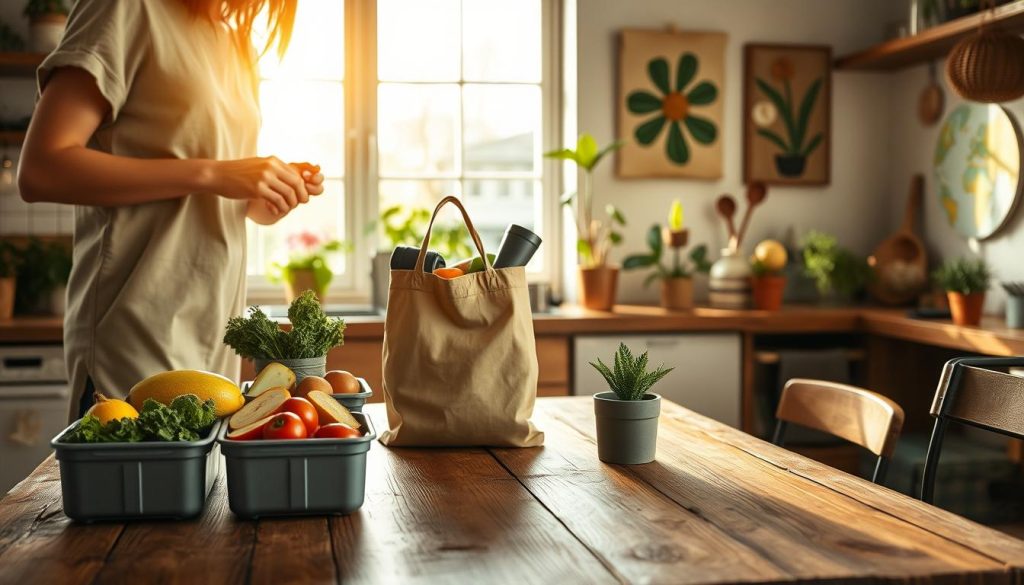
Switching to reusable items is a powerful waste reduction strategy. Start with everyday items you’ll use often. A reusable water bottle in your car can replace plastic bottles during commutes.
Cloth shopping bags can replace single-use plastic bags. A personal coffee mug means no paper cups from coffee shops. Build your zero-waste kit gradually with these essentials:
- Reusable tote bags for shopping
- Stainless steel or glass water bottle
- Cloth napkins and handkerchiefs
- Reusable produce bags made from organic cotton
- Metal or bamboo utensils for eating on the go
- Personal coffee mug or thermos
- Bamboo toothbrush instead of plastic
You don’t need to buy everything at once. Start with one or two items that fit your daily routine. Bamboo toothbrushes, cloth shopping bags, and reusable produce bags are affordable and make a big difference.
Many retailers like Target, Whole Foods, and EarthHero offer these sustainable alternatives at good prices.
Mindful Grocery Shopping Tips
Your grocery habits greatly affect your household waste. Bringing intentional practices to the store can significantly reduce waste. Here are some tips for your next shopping trip:
- Bring your own reusable bags, containers, and produce bags
- Shop the bulk section and fill your own containers with grains, nuts, and spices
- Choose loose produce over pre-packaged options
- Buy from stores with minimal packaging choices
- Don’t hesitate to ask staff if you can use your own containers at the deli or bakery counter
- Plan meals before shopping to avoid impulse purchases that spoil
- Buy only what you’ll realistically eat before it expires
Many grocery stores welcome customers using their own containers. Whole Foods, local co-ops, and farmer’s markets are great places to start. Talking to store managers about your waste reduction goals can lead to helpful suggestions and support.
Every small change counts. You don’t need to be perfect to make a real difference in reducing waste in your community and home.
The Role of Community in Zero-Waste Living
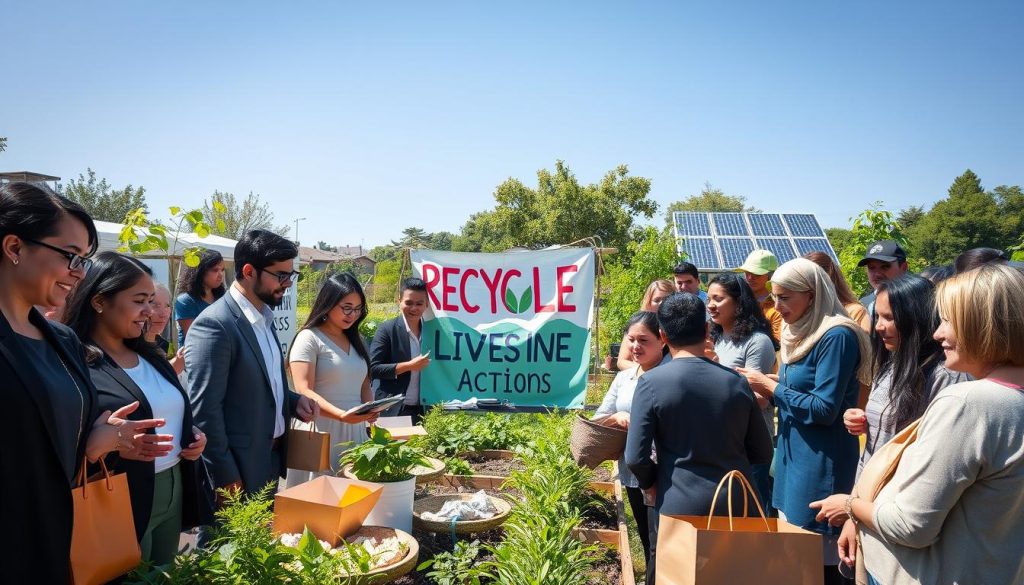
Living zero-waste is more powerful when you do it with others. Your efforts alone are important, but together, you can do more. When friends, neighbors, and local groups work together, change happens faster and deeper.
Building a community around sustainable living inspires everyone. It creates a culture of care that motivates and encourages you.
Community support keeps you going and helps you find resources you might miss. Joining local zero-waste groups gives you access to shared knowledge and tips. Online communities like Zero Waste Heroes and local Facebook groups connect you with others who share your goals.
Supporting Local Businesses
Shopping locally helps your community and the planet. Buying from farmers markets and local stores cuts down on waste and emissions. These businesses often offer less-packaged goods and support your local economy.
Local purchases keep money in your neighborhood. Choosing a family-owned bakery over a chain store means more resources stay local. You build personal connections with shop owners who share your values.
Engaging in Community Clean-Up Events
Joining clean-up events makes a real difference in your area. Events like creek clean-ups and park restoration days remove pollution and raise awareness. They achieve two important goals:
- Remove trash from local waterways and natural spaces
- Connect you with environmentally conscious neighbors
- Build momentum for larger sustainability efforts
- Show children the importance of caring for nature
Meeting like-minded people at clean-up events opens doors to sharing resources and ideas. You discover neighbors interested in composting, gardening, or reducing waste. These relationships grow into stronger community bonds.
Connecting with Neighbors for Sustainability
Everyday conversations with neighbors can spark environmental change. Simple actions can have a lasting impact:
| Community Initiative | Benefits | Getting Started |
|---|---|---|
| Tool-Sharing Library | Reduces need for individual purchases, saves money, builds connections | Invite building residents to a planning meeting |
| Clothing Swaps | Gives clothes new life, refreshes wardrobes, reduces fast fashion waste | Schedule quarterly swap events with neighbors |
| Buy Nothing Groups | Keeps items out of landfills, creates free exchange network | Start a neighborhood Facebook group or Nextdoor page |
| Composting Circles | Reduces kitchen waste, creates soil for gardens, teaches sustainability | Share composting tips and space with interested neighbors |
| Community Gardens | Grows fresh food, builds green space, strengthens relationships | Partner with neighbors on shared garden plots |
Starting small makes sustainable living accessible to everyone. Talking to your neighbor about reusable bags or composting doesn’t require formal planning. Casual conversations spark curiosity and inspire action. Your genuine enthusiasm for planet-friendly habits encourages others to explore sustainable living in their own way.
When individuals connect around shared environmental goals, the impact spreads beyond neighborhoods into wider circles of influence. Community environmental action transforms isolated efforts into movement. Together, you create a culture where sustainable living becomes normal and expected. This collective approach strengthens resolve during challenging moments and celebrates victories as a group.
“The greatest threat to our planet is the belief that someone else will save it.” Your community needs your voice and your commitment. Together, you build the sustainable future your neighborhood deserves.
Zero-Waste Practices for Daily Living
Adding eco-friendly habits to your daily life makes zero-waste living real. Small changes can lead to big environmental wins. You don’t need to be perfect. Just make choices that fit your life.
Eco-Friendly Swaps in Your Routine
Begin by swapping everyday items. These changes are easy and powerful for reducing waste right away.
- Replace paper towels with cloth napkins made from old t-shirts
- Switch to bar soap and shampoo bars instead of plastic bottles
- Use a safety razor with replaceable blades instead of disposable razors
- Make your own all-purpose cleaner with vinegar and water
- Wrap food with beeswax wraps instead of plastic film
- Use liquid castile soap for body wash, household cleaners, and laundry
- Choose wool dryer balls over single-use dryer sheets
- Store bulk items in mason jars instead of buying packaged products
One stainless steel razor can save hundreds of plastic disposable razors over time. Your wallet will also appreciate the savings.
Upcycling Ideas to Reduce Waste
Turn old items into something new. Upcycling saves money and keeps things out of landfills.
- Turn glass jars into storage containers, food storage, or drinking glasses
- Convert old t-shirts into cleaning rags or reusable shopping bags
- Use wine corks as fire starters or small plant markers
- Transform tin cans into desk organizers or small planters
- Create EcoBricks by stuffing plastic packaging into bottles as building materials
These ideas help extend the life of items in your home. You’re making smart choices, not crafting for Pinterest.
Composting: Turning Waste into Resources
Composting might seem hard at first, but it’s worth it. Food waste in landfills produces methane, a gas 20 times stronger than carbon dioxide. This is a big problem in the U.S. Composting can change that.
Choose a method that works for you:
| Living Situation | Composting Method | Best For |
|---|---|---|
| House with yard | Backyard compost pile | Large volumes of food and yard waste |
| Apartment | Worm bin (vermicomposting) | Small spaces with odor control |
| Limited space | Bokashi bin | All food types including meat |
| No outdoor space | Local drop-off service | Community composting access |
Any composting is better than none. Your efforts matter, and composting turns scraps into garden soil. Start small and grow from there. Every sandwich you avoid throwing away helps.
Sustainable Fashion Choices
Fashion is a huge industry that touches our lives every day. The clothes we wear tell stories about who we are and what we value. When we think about sustainable living and ethical fashion, we’re talking about something powerful. We’re using our buying power to care for the planet and the people who make our clothes.
This section explores how making conscious fashion choices can change your wardrobe. It can also reduce waste and support better practices in the industry.
The Impact of Fast Fashion
Fast fashion has become common in many Western countries. Stores release new collections all the time, encouraging people to buy cheap clothes. These clothes are often worn just a few times before they end up in landfills.
The textile industry uses a lot of water. It takes about 2,700 liters of water to make a single cotton t-shirt. Clothing production also pollutes a lot, mainly through chemical dyes and manufacturing processes. These pollutants can harm communities far from where clothes are made.
Workers in garment factories often get unfair wages and work in unsafe conditions. By choosing sustainable fashion, we reject a system that harms people and nature. Making different choices doesn’t mean feeling guilty about past purchases. It means moving forward with awareness and intention.
Shopping Second-Hand: Benefits and Resources
Second-hand shopping is a great way to practice conscious consumption. Buying used clothes keeps good items out of landfills and saves money. You can find quality pieces for a fraction of their original price.
Here are some resources for second-hand shopping:
- Local thrift stores like Goodwill and Salvation Army
- Consignment shops in your area that specialize in quality pieces
- Online platforms such as ThredUp, Poshmark, and Depop
- Clothing swap events organized by friends or community groups
- Hand-me-downs from family and friends
Successful thrift shopping requires a few smart strategies. Know your measurements so you can shop confidently. Be patient—great finds take time. Inspect items carefully for quality and signs of wear. Always wash items before wearing them. Many people build professional wardrobes through consignment stores, finding designer pieces at unbeatable prices while supporting sustainable living practices.
Creating a Capsule Wardrobe
A capsule wardrobe is about making intentional, ethical fashion choices. It means having a small collection of versatile pieces that all go together. Instead of a closet full of clothes you rarely wear, you’ll own fewer items you love.
Building your capsule wardrobe:
- Start with 30 to 40 pieces, including shoes and accessories
- Choose a neutral color palette that works for your lifestyle
- Select timeless styles over trendy items
- Prioritize quality over quantity
- Build pieces that mix and match easily
This approach changes how you shop and wear clothes. You’ll spend less money, save time getting dressed, and feel less overwhelmed. A capsule wardrobe naturally reduces consumption because you’re buying only what you need. This intentional approach to fashion shows that owning less can give you more freedom and style.
| Fast Fashion Approach | Sustainable Fashion Approach |
|---|---|
| Frequent purchases of trendy items | Thoughtful purchases of timeless pieces |
| Clothing worn a few times before discarding | Garments worn hundreds of times over years |
| High environmental impact from production waste | Reduced waste through conscious consumption |
| Often supports exploitative labor practices | Supports ethical fashion choices and fair wages |
| Contributes to landfill overflow | Extends garment life and keeps items in circulation |
Your wardrobe choices matter a lot. Every purchase is a vote for the kind of fashion industry you want to support. By choosing second-hand shopping, capsule wardrobes, and ethical fashion, you’re joining a movement. This movement aims for a healthier planet and a fairer world for everyone involved in making clothes.
Meal Planning for Reduced Waste
Smart meal planning is a key planet-friendly habit. The average American family throws away over $640 worth of food each year. This money could fund a vacation or a new appliance. Food waste also harms the environment, releasing methane gas that contributes to 8% of global greenhouse gas emissions.
By planning meals, you avoid buying too much food. This stops waste before it starts. It ensures you only buy what you’ll use.
Planning meals takes just 20 minutes a week. Choose a day, like Sunday, and plan your meals. Look at what you already have and think about your family’s favorites. Write down what you need to buy.
Shopping with a list helps you avoid impulse buys. This way, you won’t forget items that spoil in your fridge.
The Importance of Planning Your Meals
Meal planning prevents waste by giving you a clear plan for the week. You know what you’re eating each night. This way, you buy ingredients that work together across meals.
A busy professional in Denver cut her grocery bill by 30% by planning meals around overlapping ingredients. She used chicken in three different ways in one week. This approach saves money and reduces waste.
Creative Ways to Use Leftovers
Turn leftovers into new dishes. Monday’s roasted vegetables can become Tuesday’s frittata, Wednesday’s grain bowl, or Thursday’s soup. Stale bread makes great croutons or breadcrumbs for chicken.
Vegetable scraps can simmer into homemade stock for soups and grains. Overripe fruit is perfect for smoothies, muffins, or banana bread. These ideas reduce waste and make mealtime exciting.
- Roasted vegetables: frittatas, grain bowls, soups
- Stale bread: croutons, breadcrumbs, panzanella salad
- Vegetable scraps: homemade stock, broths
- Overripe fruit: smoothies, baked goods, jams
- Cooked grains: grain salads, fried rice, breakfast bowls
Using Seasonal Ingredients
Seasonal produce is fresher, tastier, and cheaper than out-of-season options. It also has a lower carbon footprint because it travels shorter distances. Visit your local farmers market to find out what’s in season.
Many farmers markets accept SNAP benefits, making fresh food accessible to everyone. Join a CSA to get seasonal produce weekly. Use seasonal ingredients in your meals—like spring asparagus, summer berries, fall squash, and winter greens. This makes sustainable eating easy and delicious.
| Season | Common Ingredients | Best Meals |
|---|---|---|
| Spring | Asparagus, lettuce, peas, strawberries | Salads, soups, spring pasta dishes |
| Summer | Tomatoes, zucchini, berries, corn | Grilled vegetables, salads, preserves |
| Fall | Squash, apples, pumpkin, carrots | Roasted vegetables, baked goods, soups |
| Winter | Kale, root vegetables, citrus, cabbage | Hearty soups, roasted sides, slaw |
Meal planning doesn’t need to be complicated. Just think ahead and get creative. Start by planning three dinners with overlapping ingredients. You’ll save money and reduce waste. These simple steps help you care for the planet.
Gardening: Grow Your Own Food
Growing your own food is very rewarding. It doesn’t matter if you have a big backyard or a small balcony. Gardening connects you to nature and helps the environment. You get fresh food, save money, and avoid packaging waste.
Store-bought veggies travel a lot before they reach you. Gardening cuts out this long journey. You also avoid plastic and cardboard waste. Plus, you feel connected to the seasons and growth.
The Benefits of Home Gardening
Home gardening is good for you and the planet. You know what goes into your garden and food. You can choose organic or pesticides. Your homegrown veggies are fresher and more nutritious.
Gardening is great for your mental health. It makes you present, reduces stress, and boosts your sense of achievement. You get to enjoy the outdoors, exercise, and see food grow.
- Reduces carbon footprint by eliminating transportation emissions
- Eliminates packaging waste completely
- Saves money on grocery bills
- Provides incredibly fresh and nutritious food
- Connects you with seasonal cycles
- Offers therapeutic mental health benefits
Starting Small: Container Gardening Tips
You don’t need a big yard to start. Container gardening is perfect for beginners or those living in apartments. Start with a few containers and simple plants.
Use containers with holes for drainage. Fill them with good potting soil. Place them in sunlight for at least six hours a day. Water when the soil feels dry.
Beginners can grow:
- Herbs like basil, mint, and parsley
- Cherry tomatoes
- Lettuce and leafy greens
- Peppers
- Green onions that regrow from scraps
Not every plant will do well. That’s okay. Gardening teaches patience and resilience.
Joining Local Gardening Groups
Connect with other gardeners in your area. Local groups offer mentorship, resources, and seed swaps. They help you grow your knowledge and impact.
Community gardens turn unused spaces into green areas. They improve air quality, reduce heat, and support pollinators. Gardening with your community makes a bigger difference.
Find gardening groups through local parks, community centers, or online. Experienced gardeners are ready to help newcomers.
Educating Others About Zero-Waste
Sharing your zero waste journey with others can make a big difference. It spreads sustainability awareness far beyond your home. By teaching others, you can change whole communities. This guide helps you share your knowledge without being preachy.
Sharing Your Zero-Waste Journey
Sharing your story is the best way to inspire others. People connect with real experiences and small victories. When friends see your reusable items, it starts a conversation.
Be honest about your journey, including mistakes. This makes zero waste seem achievable. Explain your choices simply, without judging others.
- Lead by example, not by lecturing
- Answer questions with curiosity and warmth
- Share both victories and challenges
- Invite friends to try small changes together
- Celebrate progress over perfection
Hosting Workshops or Informational Sessions
Hands-on learning can change lives. You don’t need to be an expert. Share skills you’ve learned, like making beeswax wraps or natural cleaners.
Start small with friends in your living room. Provide all the supplies for them to take home. This pride in creating something motivates people to use and share it.
| Workshop Type | Time Needed | Supplies Cost | Best Group Size |
|---|---|---|---|
| Beeswax Wraps | 45 minutes | $15-20 per person | 4-8 people |
| Natural Cleaners | 30 minutes | $5-10 per person | 5-10 people |
| Clothing Mending | 60 minutes | $2-5 per person | 4-6 people |
| Composting Basics | 45 minutes | Free-$10 per person | 6-12 people |
As your workshops grow, consider partnering with local groups. This can help reach more people interested in sustainability.
Creating Informative Social Media Content
Social media is great for spreading awareness. Share content that feels real and helpful, not perfect or preachy.
- Post honest reviews of your zero waste swaps and products
- Share “day in the life” content showing real, imperfect moments
- Create simple infographics with waste statistics
- Highlight local resources like bulk stores and repair shops
- Celebrate small wins and milestones
- Engage genuinely with questions and comments
Being real resonates more than perfect images. Show your real journey, including tough days. This invites others to join in, not feel intimidated.
“Every person you inspire to make even small changes creates a ripple effect that spreads outward, contributing to a cultural shift toward sustainability that benefits the entire planet.”
Your efforts to educate others are important. Whether it’s one workshop or a community group, you’re building a foundation for change. These connections strengthen environmental awareness and inspire action.
The Connection Between Wellness and Zero-Waste
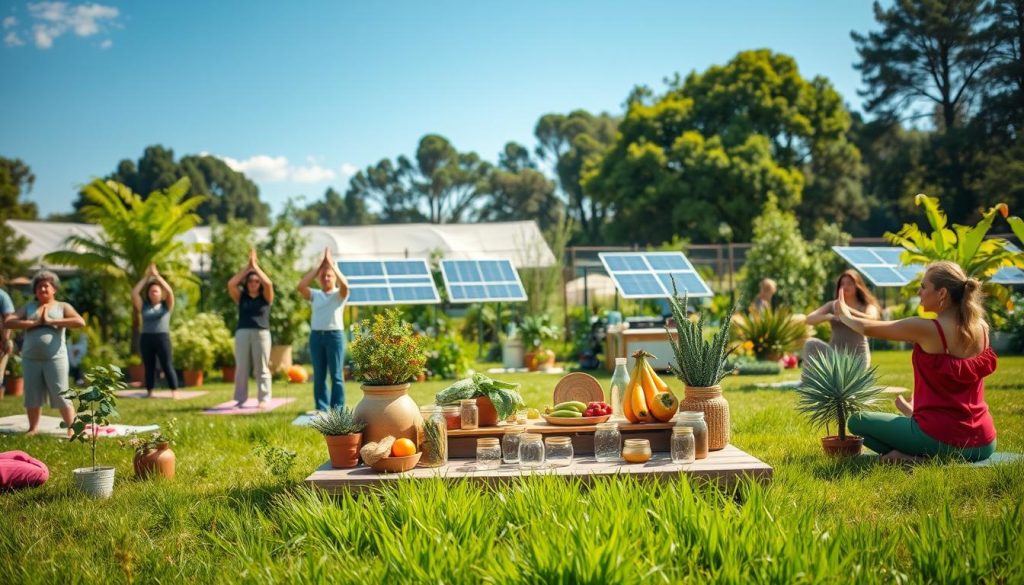
Caring for yourself and the planet are closely linked. Embracing zero-waste living improves your health and the environment. It helps you focus on what’s truly important: your well-being, peace of mind, and connection to nature.
Wellness and the planet are connected. Reducing waste and simplifying your life boosts mental clarity and emotional balance. You’ll feel more energized and live more intentionally.
Mental Health Benefits of Decluttering
Clutter in your space can clutter your mind. Too many items cause stress and decision fatigue. This drains your energy.
Decluttering brings calm and focus. It helps you avoid buying things you don’t need. You might find you have many duplicates, showing how easy it is to shop mindlessly.
Decluttering relieves stress. Donating or selling items is better for the planet. You’ll feel lighter and more energized for activities that bring joy.
How Minimalism Enhances Well-Being
Minimalism offers freedom, not deprivation. It’s about making thoughtful choices. Owning fewer items saves time and energy for what matters most.
Financial stress decreases with minimalism. Choosing quality over quantity and experiences over possessions reduces pressure. You’ll feel satisfied with what you have.
Consider the benefits of this mindset:
- Lower stress from managing fewer possessions
- Reduced financial pressure and debt
- More time for meaningful connections
- Greater appreciation for what you own
- Increased focus on personal values
Staying Active in Nature for Balance
Green living connects you to nature. Spending time outdoors reduces stress and improves mood. Activities like walks, hikes, and gardening are beneficial.
Nature boosts creativity and deepens your connection to the planet. The more time you spend outside, the more you want to protect it.
Simple ways to connect with nature include:
- Take daily walks in nearby parks or green spaces
- Start a garden, even in containers on a balcony
- Practice bird-watching or nature photography
- Spend weekends hiking local trails
- Sit outdoors for meals or reading
Zero-waste living enriches your life. It aligns your actions with your values, protecting the planet while nurturing your well-being.
Kindness Challenge: Take Action Today
You’ve reached the moment to turn inspiration into action. It’s time to apply what you’ve learned to make a difference. Start small for zero waste success. Every change counts, so don’t worry if you’re not perfect yet.
Keep trying and stay open to learning. Your journey should be fun and rewarding.
Your One Simple Task for the Day
Before bed tonight, spend ten minutes doing a trash audit. Look at your trash and recycling from today. Find the top three items you throw away most often.
Tomorrow, research a simple swap for one of those items. This challenge is specific and achievable. It leads to real change.
Awareness is the first step to caring more for the planet. By identifying your waste patterns, you can make big changes. This is not about judgment but about gathering information.
You might find you use paper towels quickly or toss lots of coffee cups. Whatever you find, remember every item you keep out of the landfill matters.
Encouraging Others to Join You
Sustainability is more fun and effective with friends. Text a friend and invite them to join this challenge. Say something like: “I am doing a zero waste challenge and would love company. Want to do a trash audit together this week and share what we find?”
Sharing your challenge creates a community. It makes individual actions into a collective movement. When you invite others, you create accountability and encouragement.
Celebrating Small Wins Together
Sustainable change needs positive reinforcement. Acknowledge every step you take. Brought your reusable bag to the grocery store? That’s a win.
Every time you choose to consume less, you care more for the planet. You reduce pollution, protect habitats, and preserve resources. Your actions matter more than you realize. Take your challenge today, invite others, and celebrate every small win.