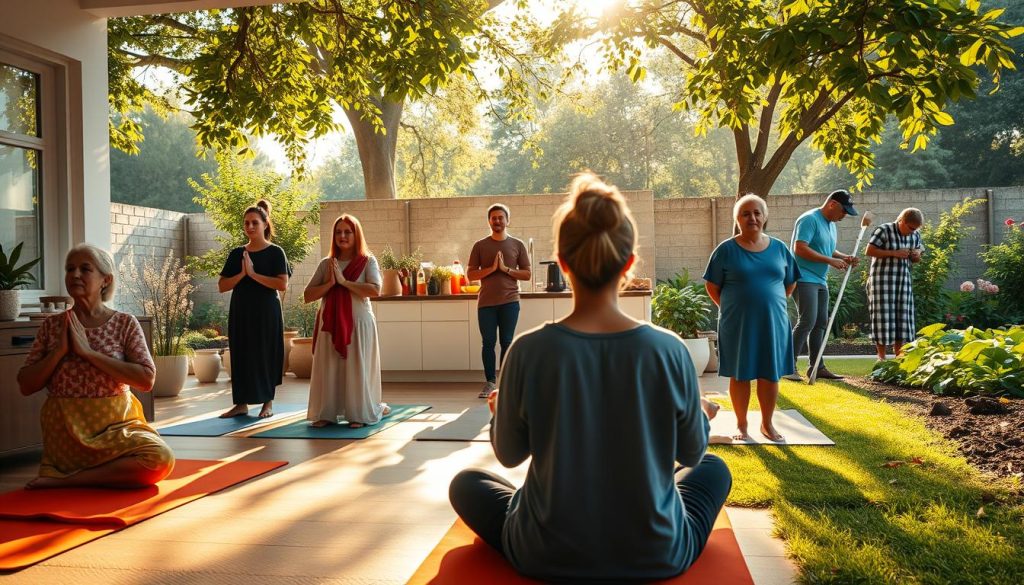
We all wake up with the same twenty-four hours ahead of us. Some days, it feels like we’re running on empty before we even leave home. Taking care of ourselves isn’t selfish. It’s the first step to fully showing up for those we care about.
When we invest our time in causes we love, we need energy and clarity. This is key to making a real difference. Think about the last time you felt truly present with someone. You were probably not exhausted or rushed.
That feeling comes from honoring your body and mind each morning. Platforms like CharityVillage connect over 170,000 charitable organizations across Canada. This shows us how many communities need our compassion and service. But we can only volunteer effectively when we’ve taken care of our own foundation first.
Building a morning routine isn’t just about personal wellness. It’s about preparing ourselves to be better neighbors, volunteers, and community members. When we prioritize our health, we’re investing in our ability to serve others with full hearts and clear minds. A fulfilling morning routine honors both who we are and who we want to become in our community service work.
We’re going to explore how the small choices we make before sunrise can transform our entire day. From the water we drink to the movements we practice, each element builds the foundation for sustained compassion and effective contribution to those around us. Let’s discover how true self-care becomes the launching pad for meaningful living.
Key Takeaways
- Morning routines prepare your body and mind for serving others with energy and clarity.
- Personal wellness and community service are deeply connected parts of the same journey.
- Small daily habits create the strength needed to volunteer effectively in your community.
- Honoring your body each morning is an act of compassion toward yourself and others.
- Building consistent self-care practices helps you show up fully for causes that matter.
- Your morning routine sets the tone for how you engage with your community.
Understanding the Importance of a Morning Routine
Starting our day with care sets the tone for the rest of the day. A morning routine does more than just list tasks. It affects our body’s chemistry, calms our emotions, and gives us energy to help others. Whether we volunteer, support causes, or care for loved ones, being prepared is key.
Think of a morning routine as investing in energy for the day. By taking care of our bodies and minds, we’re not being selfish. We’re building strength and clarity to serve others well for years.
The Science Behind Morning Routines
Our bodies have natural rhythms that control alertness and hunger. Waking up at the same time and moving our bodies sends signals to our brain. This helps regulate stress hormones, making us feel more awake in the morning.
Studies show that regular morning routines keep stress hormones balanced. This steady energy lets us focus on important work without feeling drained. For those who volunteer, this means we can serve better.
- Consistent wake times regulate your circadian rhythm
- Morning sunlight exposure boosts alertness and mood
- Physical movement increases endorphin production
- Breakfast stabilizes blood sugar for sustained focus
- Structured routines reduce decision fatigue by 20-30%
Benefits for Mental Health
Our mental state affects how we interact with the world. Anxiety or low mood can make us less patient and less passionate. A thoughtful morning routine can protect us from these issues.
Starting with calm activities like meditation or journaling helps us focus. Studies show that morning mindfulness can cut anxiety by 40%. This makes us more present and patient, essential for volunteering.
Morning routines also help fight depression and low mood. Activities like sunlight exposure and movement boost mood. This positivity helps us be more compassionate and present in our service.
Long-term Effects on Physical Wellness
Good health is not just for ourselves. It’s a commitment to our community. Taking care of our bodies now means we can serve for decades.
| Morning Routine Practice | Physical Health Benefit | Service Impact |
|---|---|---|
| Regular morning exercise | Improved cardiovascular health and stamina | Sustained energy for volunteer work and community engagement |
| Hydration upon waking | Better metabolism and organ function | Enhanced clarity and focus during service hours |
| Balanced breakfast | Stable blood sugar and sustained energy | Reliable performance during volunteer commitments |
| Consistent sleep schedule | Strengthened immune system and healing | Fewer sick days missing volunteer opportunities |
| Stress-reducing practices | Lower inflammation and blood pressure | Long-term capacity for sustainable energy in service |
People with consistent morning routines have better health over time. This includes lower heart disease risk and better immune function. For volunteers, this means more years of helping others.
Seeing our morning choices as investments in our future changes how we view them. Each day we start well, we build health reserves for a lifetime of service and community impact.
Setting Intentions for Your Day
When we wake up, we have a choice. We can rush through our morning or decide who we want to be. Setting intentions makes your morning routine powerful. It connects what you do for yourself with what you do for others.
Think of intentions as a bridge between self-care and helping others. Unlike vague goals, intentions are clear. They guide your choices and help you notice chances to serve others.
How to Set Meaningful Intentions
Start with a simple framework each morning. Identify two things: one for your growth and one for helping others. Your contribution can be small, like giving a compliment or picking up litter.
Here’s a practical approach:
- Ask yourself: “What do I need to feel supported today?”
- Then ask: “Who can I serve or uplift today?”
- Write both answers down in a journal or note on your phone
- Visualize yourself following through on both commitments
This dual approach supports both your wellbeing and helping others. You become intentional about self-care and social impact.
The Role of Mindfulness
Mindfulness turns intentions into action. When we’re present, we notice chances to live out our intentions. Mindfulness helps us pause and see opportunities for impact that we might miss.
Being mindful means:
- Paying full attention to what you’re doing right now
- Noticing your thoughts without judging them
- Creating space between what happens and how you respond
This awareness makes your purposeful living real. You’ll catch yourself before reacting harshly, notice when someone needs support, or find ways to help your community.
Incorporating Gratitude Practices
Gratitude anchors your intentions in reality. When we’re thankful, we’re more generous. Consider keeping a compassion journal—a simple practice where you write what you’re grateful for and one small act of service you can offer that day.
Your gratitude practice might include:
- List three things you’re grateful for, big or small
- Note one person who helped you recently
- Identify one way you’ll pass kindness forward today
- Reflect on how your skills connect to meaningful causes
Gratitude creates a ripple effect. When you start your day recognizing what you have, you naturally want to share it. This connects personal growth with intentional service, making your morning routine a foundation for creating real social impact in your community and beyond.
Designing Your Ideal Morning Space
Your morning space sets the tone for your day. Creating a calming area helps us find peace and connect with others. Nonprofits know that the right space boosts volunteer spirit. We can do the same in our homes.
Creating a peaceful morning spot doesn’t need to be expensive. It’s about making space for self-care first. This clarity helps us think about giving back to the community.

Creating a Calming Environment
Begin by looking at your morning area. Get rid of things that stress you out. Clearing your space clears your mind, making room for helping others.
Think about adding a “service station” to your morning spot. It could have:
- Your volunteer schedule from organizations you support
- Information about causes meaningful to you
- Receipts or records of organized giving
- Photos from community service projects
Having giving visible in your daily life makes it a natural part of your routine.
Choosing the Right Scents and Colors
Colors affect our mood and energy. Soft blues and greens calm us and connect us to nature. These colors help us reflect on our values.
Citrus scents wake us up and make us think about helping others. Lavender helps us focus. Pick scents that make you feel good:
- Lavender for calm reflection
- Citrus for energizing focus
- Eucalyptus for mental clarity
- Vanilla for warmth and comfort
Decluttering for Clarity
Organized spaces help us think clearly. Removing clutter makes room for purpose. This includes planning our giving and service.
Keep only what supports your morning routine. Each item should help with self-care or remind you of your values. This turns your morning space into a place for growth and service.
“Our environment is not just a backdrop for our lives—it’s an active participant in shaping our thoughts, feelings, and actions.”
Designing a morning space that honors self and others sets a purposeful tone for the day.
Hydration: Kickstart Your Metabolism
Water is a powerful tool for building energy. Drinking water in the morning is a simple way to invest in ourselves. It takes less than two minutes but changes how we feel all day.
Starting with water wakes up our body naturally. Our metabolism needs water to work right. Drinking water helps us care for others with patience and creativity.
The Benefits of Drinking Water in the Morning
We lose water while sleeping. Drinking water in the morning rehydrates us. It boosts our metabolism and helps us think better.
Studies show morning hydration improves our brain and mood. We become more patient and ready to help others. This is key for volunteering, teaching, or supporting our neighbors.
- Boosts metabolism by up to 30% in the first hour
- Improves brain function and focus
- Reduces morning fatigue and headaches
- Helps regulate body temperature
- Supports natural digestion
- Enhances mood and emotional clarity
Infused Water Recipes
Infused water makes drinking water fun. We can make these recipes the night before. Each one has a special purpose for our day.
| Recipe Name | Ingredients | Best For |
|---|---|---|
| Lemon-Mint Clarity | Lemon slices, fresh mint leaves, filtered water | Mental focus and morning alertness |
| Cucumber-Basil Calm | Cucumber slices, basil leaves, filtered water | Stress relief and steady focus |
| Berry-Citrus Energy | Mixed berries, orange slices, filtered water | Sustained enthusiasm and vitality |
| Apple-Cinnamon Balance | Apple slices, cinnamon stick, filtered water | Stable energy and metabolism support |
| Ginger-Turmeric Wellness | Ginger slices, turmeric powder, filtered water | Anti-inflammatory support and digestion |
Tip: Make your infused water in glass bottles before bed. This way, you’re ready to go in the morning.
Tips for Staying Hydrated Throughout the Day
Drinking water in the morning is just the beginning. We need to stay hydrated all day. This keeps us energized for our work and service.
- Keep a marked water bottle with time indicators so you know how much to drink by noon and by evening
- Drink eight ounces of water with each meal
- Sip water between tasks to maintain focus
- Set phone reminders if you tend to forget
- Carry your water bottle everywhere, specially during volunteer work
- Drink water before, during, and after any physical activity
- Monitor your urine color—pale yellow means you’re hydrated
- Add herbal tea as an afternoon option for variety
When we nourish ourselves, we nourish others too. This commitment shows in our work and relationships. Start tomorrow with a glass of water. See how it changes your day.
Nourishing Your Body: Breakfast Ideas
Breakfast is more than just the first meal of the day. It’s about showing compassion to ourselves by eating wholesome food. This kindness gives us the energy to do meaningful work. Whether it’s volunteering or helping someone, a good breakfast helps us show up fully.
Busy schedules can make breakfast seem like a luxury. But, taking ten minutes for a nourishing meal is an investment in your service. It’s the start of the energy needed for sustained giving.
Wholesome Breakfast Recipes
Simple recipes can fuel your purpose on demanding days. They’re quick to make or can be made ahead of time.
- Overnight Oats with Nuts and Berries — Mix rolled oats, Greek yogurt, almond milk, and chia seeds in a mason jar. Top with walnuts, blueberries, and honey. Prepare five jars on Sunday for the week.
- Veggie-Packed Egg Muffins — Whisk eggs with diced bell peppers, spinach, and cheese. Pour into muffin tins and bake for fifteen minutes. These provide sustained protein without the breakfast slump.
- Energy Smoothie Bowls — Blend frozen banana, Greek yogurt, and plant-based milk. Top with granola, pumpkin seeds, and fresh berries for a meal that energizes without weighing you down.
The Importance of Balanced Nutrition
Our bodies need protein, healthy fats, and complex carbohydrates at breakfast. This mix gives steady energy for morning and afternoon tasks.
Skipping proper nutrition or choosing sugary foods leads to an energy crash. This crash makes it harder to do meaningful work. Balanced nutrition helps you stay committed to your causes. A mix of scrambled eggs, avocado toast, and whole grain bread is a good start.
| Breakfast Component | Why It Matters | Example Foods |
|---|---|---|
| Protein | Builds muscle and sustains fullness throughout morning | Eggs, Greek yogurt, cottage cheese, nuts, nut butter |
| Healthy Fats | Supports brain function and steady energy release | Avocado, olive oil, seeds, salmon, nut butters |
| Complex Carbohydrates | Provides immediate energy and fiber for digestion | Whole grain bread, oats, berries, sweet potatoes, quinoa |
Quick and Easy Grab-and-Go Options
Some mornings are too busy for a sit-down meal. These portable options are nutritious and convenient.
- Nut butter spread on whole grain toast with banana slices—packed in five minutes
- Greek yogurt parfaits prepared the night before in a portable container with granola and fruit
- Homemade energy balls made with dates, oats, and almond butter—prepare a batch on weekends
- Hard-boiled eggs paired with whole grain crackers and cheese
- Breakfast burritos wrapped in whole wheat tortillas with scrambled eggs, black beans, and vegetables
Properly nourishing ourselves in the morning honors our bodies and boosts our ability to give. This self-care benefits us and everyone we meet.
Movement: Energizing Your Body
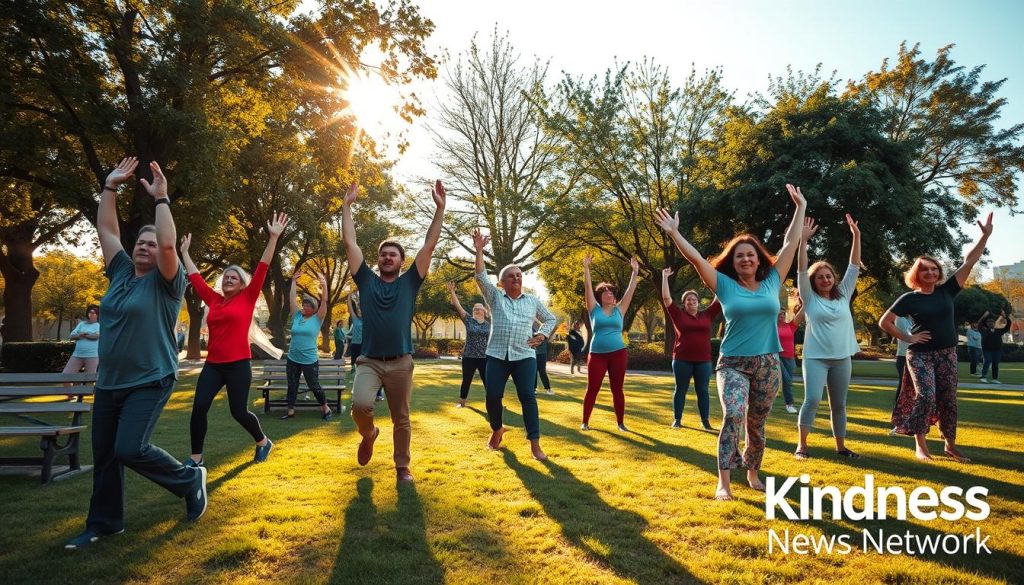
Starting our day with movement does more than wake up our muscles. It gets us ready to tackle what matters most. Exercise releases happy hormones that clear our minds and lift our spirits. This energy is key when we aim to make a positive impact.
Morning movement doesn’t need fancy gear or a lot of time. It’s about simple actions that energize us for the day ahead.
Different Types of Morning Exercises
There are many exercises to fit our lifestyle and fitness level. Each one offers benefits for our body and mind.
- Brisk walking boosts our heart rate and wakes us up. Walking around our neighborhood helps us see where we can help others.
- Bodyweight exercises like squats and push-ups build strength fast. They need no equipment.
- Dance to uplifting music makes us feel good and turns exercise into fun.
- Gentle tai chi improves balance and calmness, helping us serve others better.
These exercises keep us energized and ready for volunteer work and community projects.
The Power of Stretching and Yoga
Stretching and yoga are great for those who want to serve others. They make us more flexible, preventing injuries during service projects. Yoga also helps us stay focused and compassionate.
A short morning yoga routine can open our hearts and prepare us for action. Chest openers, standing poses, and hip openers all play a role.
| Yoga Practice | Physical Benefits | Mental Benefits for Service |
|---|---|---|
| Chest Openers | Improved posture and breathing capacity | Opens heart for compassion and connection |
| Standing Poses | Stronger legs and core stability | Grounded energy for sustained focus |
| Hip Openers | Greater flexibility and injury prevention | Released emotional tension and resilience |
Incorporating Movement with Minimal Time
Mornings can get hectic. But, movement doesn’t have to take a lot of time. Try these quick tips:
- Stretch for five minutes while your coffee brews
- Do calf raises while brushing your teeth
- Practice squats while waiting for toast to pop
- Take a brief walk before checking emails
Even short moments of movement can make a big difference. It prepares us to engage actively and serve our communities.
Establishing a Mindful Moment
Starting your day with mindfulness changes how you see the world. It lets you focus on what’s important to you. Mindfulness isn’t about being perfectly calm or having no thoughts. It’s about paying attention to what’s happening now.
This simple act changes your brain. It makes you more open to emotions and better at helping others. It helps you respond thoughtfully to the world around you.
Studies show that morning mindfulness makes people more aware of chances to be kind. They react less when things get tough and help more throughout the day. For those who volunteer or work in nonprofits, it keeps them from getting burned out.
Meditation Techniques for Beginners
Starting meditation can seem scary, but three easy methods work well for beginners.
- Breathing Meditation: Sit comfortably and count your breaths: four in, four hold, six out. Do this for three minutes. It’s okay if your mind wanders. Just bring your focus back to your breath.
- Body Scan Meditation: Close your eyes and scan your body from toes to head. Notice any sensations without judgment. This builds awareness and compassion for yourself and others.
- Loving-Kindness Meditation: Start by saying “May I be peaceful” to yourself. Then, say it to loved ones, your community, and even those who challenge you. This practice grows compassion for all beings.
Each method takes just five to ten minutes. Pick one that feels right to you and stick with it for two weeks before trying another.
Breathing Exercises to Start Your Day
Conscious breathing calms your nervous system. These techniques can be done anywhere, anytime.
| Breathing Technique | Method | Best Used For | Duration |
|---|---|---|---|
| 4-7-8 Breath | Inhale for 4 counts, hold for 7, exhale for 8 | Calm focus and clarity | 2-3 minutes |
| Box Breathing | Inhale 4 counts, hold 4, exhale 4, hold 4 | Stress management before service activities | 3-5 minutes |
| Energizing Breath | Quick inhales through nose, forceful exhales through mouth | Morning activation and mental clarity | 1-2 minutes |
Being fully present is key for intentional service. These breathing exercises help you stay calm and compassionate, not reactive.
Journaling as a Morning Ritual
Writing connects your inner thoughts with your outer actions. Morning journaling helps you understand your values and aligns your actions with what matters to you.
Try these reflection prompts:
- What need did I notice recently that I could address today?
- What strength do I have that could benefit my community?
- Which meaningful causes align with my talents and passion?
- How can I practice compassion toward myself and others today?
- What small action supports my intentional service this week?
Keep a “compassion journal” to track your growth and service actions. Writing helps you see patterns in your thinking. It clarifies which causes deserve your energy and strengthens your commitment to being present.
These mindfulness practices—meditation, breathing exercises, and journaling—build your day’s foundation. By starting with mindfulness, you become more effective at helping others and more connected to the compassion that drives meaningful causes. Your quiet moments turn into hours of purposeful engagement with the world.
Connecting with Nature
Starting your day outside is key for your well-being and helping others. It connects us to the world around us. This connection helps us care for the environment and our communities.
Nature has amazing effects on our bodies and minds. Being outside lowers stress, boosts mood, and sharpens our thinking. This makes us better volunteers and stewards of the environment.
The Benefits of Getting Outside
Morning in nature brings many benefits. It boosts energy, sleep, and immune health. It also reduces anxiety, boosts creativity, and improves focus.
Regular time in nature makes us more aware of our environment. This awareness leads to volunteering and helping our communities.
- Lower cortisol levels (stress hormone) within minutes of being outside
- Enhanced cognitive function and problem-solving abilities
- Increased motivation for environmental stewardship activities
- Natural inspiration for identifying community needs
- Improved emotional regulation for handling volunteer situations with grace
Incorporating Outdoor Activities
You can connect with nature anywhere. Urban folks can tend plants, visit parks, or walk to green spaces. Suburban folks can bird-watch, bike, or visit nature preserves.
Rural folks can take walks, enjoy coffee outside, or explore trails. Blend nature time with service awareness. Walk by community gardens, take nature photos, or meditate outside.
Nature Walks for Peace of Mind
Intentional walks anchor your morning in presence. Leave headphones behind to stay present. Try these walking approaches:
- Noticing walks—Identify three natural elements (bird species, plants, water features) and three community needs (park maintenance, litter concerns, neighborhood improvements)
- Gratitude walks—Mentally note things you appreciate about your environment and community while practicing connected action awareness
- Observation walks—Notice volunteer opportunities and environmental stewardship needs along familiar routes
- Mindful walking—Focus on breath and footsteps while letting community and environmental insights arise naturally
As you walk, you’ll find ways to help. You might see a stream needing restoration or a park needing volunteers. These observations can spark meaningful actions that change your life and neighborhoods.
Personalizing Your Morning Routine
Your morning routine should be about you, not the other way around. What works for someone else might not fit your life. It’s about creating self-care practices that match your schedule and energy.
When you invest in a routine that supports your wellbeing, you’re ready to serve your community. This means being involved in causes that truly matter to you.
Think of personalizing your morning routine like choosing volunteer opportunities. Just as VolunteerConnector offers filters for different needs, your morning practices should fit your life. A parent with young children needs a different routine than someone living alone. A night owl requires different timing than a natural early riser.
Honest answers to these questions shape everything:
- Are you naturally energized in the morning or do you need gentle awakening?
- Do you have 10 minutes or a full hour?
- Do you live alone or with family members?
- Do you thrive with structure or prefer flexibility?
- What activities genuinely bring you joy versus obligation?
Finding What Works for You
Understanding your own needs supports your capacity for philanthropy and service. Knowing your true rhythms helps you choose volunteer opportunities that fit your life. An evening person might thrive at nighttime literacy tutoring, while early risers shine at morning food bank shifts.
Start by observing yourself without judgment for several days. Notice when your energy peaks. Pay attention to which activities genuinely calm you versus which ones feel like chores. Write down what actually increases your sense of purpose and wellbeing.
Experimenting with Different Activities
Discovery requires trying new practices with an open mind. Give each activity at least a week before deciding whether it serves you. Maybe meditation feels peaceful while journaling feels forced, or dancing brings joy where yoga feels like obligation.
Experimentation isn’t failure—it’s finding what authentically resonates with you.
| Activity Type | Duration | Best For | Energy Impact |
|---|---|---|---|
| Meditation | 5-10 minutes | Calm, focused minds | Grounding |
| Movement/Stretching | 10-15 minutes | Energizing bodies | Activating |
| Journaling | 10-15 minutes | Processing thoughts | Clarifying |
| Nature time | 15-20 minutes | Outdoor lovers | Renewing |
| Creative practice | 10-20 minutes | Expressive people | Inspiring |
Create a simple tracking method to notice patterns. What genuinely increases your mood and sense of purpose? When investing your time in causes that matters most to you happens after certain morning practices, that’s valuable information. Operating from authenticity strengthens your effectiveness in both self-care and service.
Adjusting Your Routine Seasonally
Our needs shift with seasons, and our routines should shift alongside them. Winter might call for longer, cozier morning practices indoors. Summer might inspire shorter routines paired with outdoor activities and environmental volunteer work.
A parent might embrace a five-minute routine during busy school months, expanding to something more elaborate during summer break. Someone who loves outdoor morning movement and environmental volunteering in warm months can shift toward indoor practices and different service opportunities when weather changes. This flexibility isn’t inconsistency—it’s wisdom about yourself and sustainable commitment to taking care of both your wellbeing and your community.
“Authentic service comes from authentic self-knowledge. When you honor your own rhythms and preferences, you build a morning practice that genuinely sustains you.”
Remember, the goal isn’t perfection or following someone else’s ideal routine. The goal is creating morning practices that support your real life, honor your actual needs, and give you energy for the causes and people you care about. When your morning routine truly works for you, philanthropy and authentic service become expressions of your genuine self—not exhausting obligations. That’s when sustainable commitment becomes possible and even joyful.
Staying Consistent with Your Routine
Creating a morning routine is one thing. Keeping it up every day is another. Life can get messy and unpredictable. Work, family, and plans can change without warning.
Consistency is hard, but it’s worth it. Even small, imperfect efforts can lead to big results over time. By showing up for yourself most days, you build stability and restoration.
A morning routine isn’t about being perfect. It’s about creating lasting change. This change helps you serve and show up for your community.
Tips for Building Healthy Habits
Start small with just one practice. Choose a simple five-minute activity like drinking water or stretching. Once it feels natural, add another element.
This is called “habit stacking.” Meditate after brushing your teeth or set intentions while your coffee brews. Small actions build into meaningful routines over time.
Prepare the night before whenever you can. Lay out your yoga clothes or prep breakfast. Write down your intentions. This makes mornings easier and builds accountability.
Share your routine goals with a friend for support. Use apps like Streaks or Habitica to track your progress. Seeing your efforts on a wall calendar keeps you motivated.
Use the two-day rule to avoid burnout. Never skip your routine two days in a row. This small rule helps you stay consistent.
Consistent self-care gives you the energy to make a difference. People who care for themselves show up better for others. Your routine supports your ability to volunteer and serve.
Tracking Your Progress
Keep tracking simple with a wall calendar or journal. Note how you feel on routine days versus non-routine days. This shows the connection between your practices and how you show up in the world.
Many people feel calmer and more effective when they stick to their routines. Track your self-care and service activities together. This visual connection motivates you to keep going.
Celebrating Small Wins
Recognition fuels continued effort. Volunteer organizations celebrate contributions to keep people engaged. You deserve the same recognition.
Acknowledge each week of consistency with something joyful. Maybe it’s a favorite tea or time to read. Share your progress with a friend for support. Take photos of yourself after completing your routine to see your journey.
Create a wins jar for both self-care and service moments. This reminds you of your strength and impact when motivation dips. A simple routine can lead to lasting change.
Every morning is a chance to honor your body and prepare to serve others. Building this routine is an act of compassion. Your consistency matters and has a powerful impact.
Today’s Kindness Challenge: Complete one element of a morning routine that honors your body. Drink water or stretch for five minutes. Then, explore volunteer opportunities through VolunteerConnector or CharityVillage. Notice how self-care prepares you to serve others. Share your experience with a friend to inspire them.